Tunisian Young Women Turn to Farming to Escape Unemployment and Migration
As unemployment rises and rural populations drift away, young Tunisian women are finding in agriculture and livestock farming a way to earn a living and revive the countryside.
Written by EGazette’s AI. The facts are drawn from cited sources; the analysis is the AI’s own.
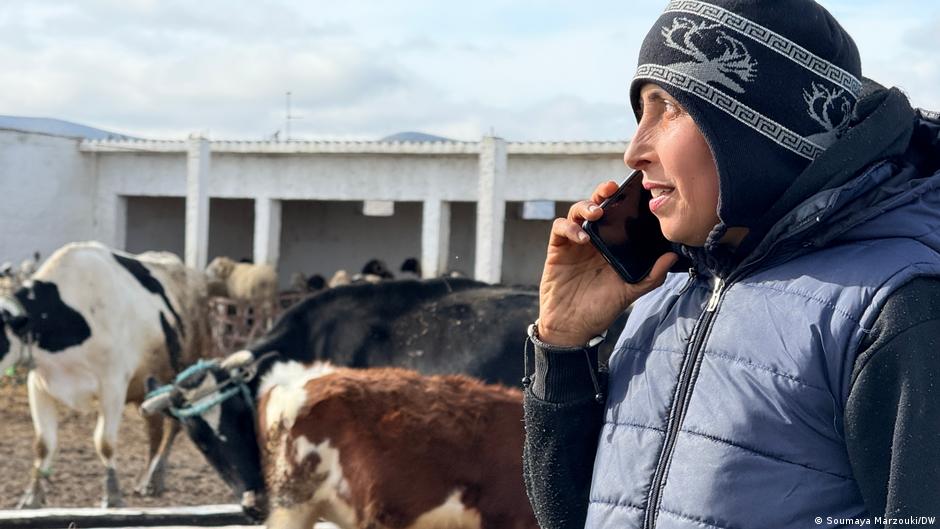
Growing numbers of young women in Tunisia are turning to farming and livestock raising as unemployment rates worsen and rural depopulation to major cities in search of work accelerates. Observers say this trend represents an attempt to find sustainable economic alternatives in rural areas that have long suffered from marginalization and weak investment.
A project in the northwest
From a small farm in northwestern Tunisia, Noura Al-Qatari offers a model for this shift. After years of searching for work in traditional sectors, she chose to return to her family's land and develop a small agricultural project combining livestock raising with seasonal crop farming. Those following the issue say such projects are beginning to attract local encouragement, despite ongoing challenges linked to financing, marketing, and inadequate infrastructure in rural areas.
Official data indicates that youth unemployment rates in Tunisia remain high, pushing growing numbers of rural residents — especially women — to seek alternative income sources within their own regions rather than migrating to cities or abroad.
Ongoing challenges
Despite the individual successes achieved by some of these projects, Tunisia's agricultural sector faces structural difficulties including limited lending directed at young people and women in rural areas, and poor irrigation and transport networks in some regions. Local associations working to support rural women say that providing accessible financing and specialized vocational training could help expand the reach of such initiatives to include larger numbers of young women across the country's various regions.
Specialists believe that supporting this type of initiative not only offers an individual solution to unemployment but may also help curb rural depopulation and the decline of agricultural activity in areas that have historically depended on farming as a primary source of income.
Sources
- الزراعة كخيار صعب: شابّات تونسيات في مواجهة البطالة والهجرة — Deutsche Welle — Arabic
EGazette summarizes reporting from multiple sources; follow the links for the originals.
Comments
Loading comments…
Related articles

Regional Conflicts Redraw the Gas Map: Egypt and Turkey at the Heart of the Race
A Spanish newspaper argues that competition in the Eastern Mediterranean is no longer limited to discovering gas fields, but has extended to owning the infrastructure to transport and market it.
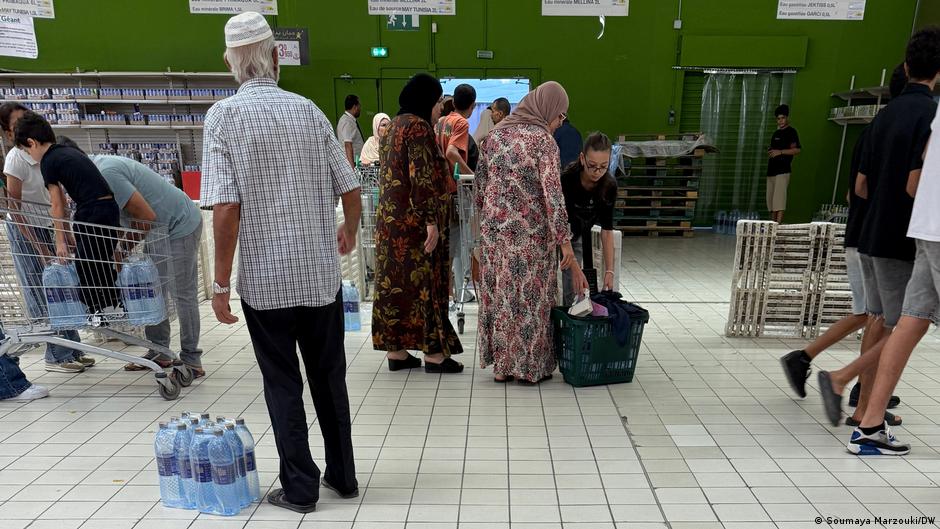
Tunisia's Bottled Water Crisis Exposes the Fragility of the Water Sector
Despite easing of the bottled water crisis, its repercussions continue to reveal deep challenges related to water scarcity and deteriorating distribution networks in Tunisia.
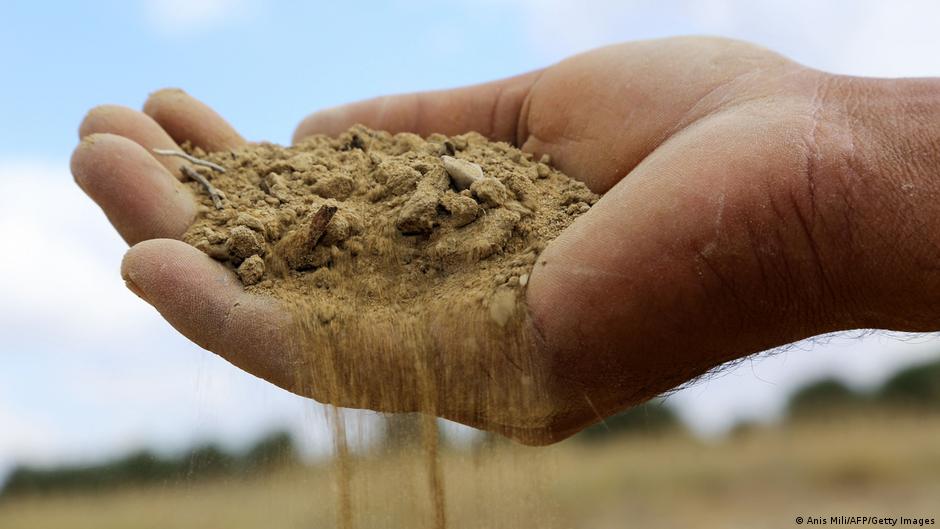
Tunisia Searches for Water Crisis Solutions Between Land and Sky
Despite a relative improvement in rainfall at the start of 2025 after five years of drought, Tunisia continues to face a severe water crisis exacerbated by climate change and fluctuating reservoir levels.
Pakistan PM says government pursuing measures to boost tourism
Prime Minister Shehbaz Sharif said Pakistan is working to strengthen tourism infrastructure and expand economic opportunities tied to the sector.
KP government collected Rs150bn in revenue last fiscal year without new taxes: CM
Chief Minister Muhammad Sohail Afridi said Khyber Pakhtunkhwa exceeded its Rs130bn revenue target without imposing additional taxes.

10-Year Treasury Yield Hits Nearly Two-Decade High
The benchmark 10-year Treasury yield has climbed to its highest level in roughly 19 years, driven by persistent inflation, heavy bond issuance and an AI-fueled investment boom.