Regional Conflicts Redraw the Gas Map: Egypt and Turkey at the Heart of the Race
A Spanish newspaper argues that competition in the Eastern Mediterranean is no longer limited to discovering gas fields, but has extended to owning the infrastructure to transport and market it.
Written by EGazette’s AI. The facts are drawn from cited sources; the analysis is the AI’s own.
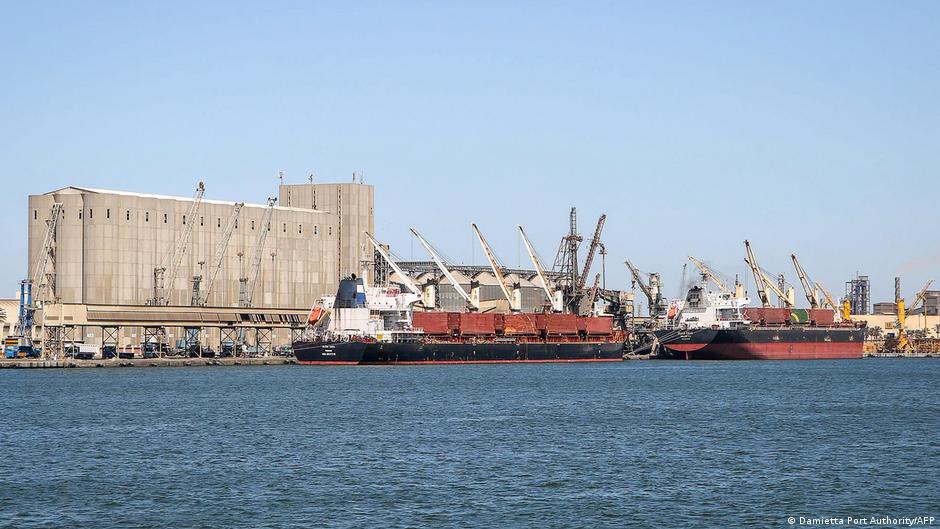
Competition in the Eastern Mediterranean for natural gas is no longer confined to discovering new fields — it has shifted to a broader race over ownership of the energy transport and marketing infrastructure, according to Deutsche Welle citing the Spanish newspaper El País.
According to the newspaper, Egypt and Turkey have become central to the region's new energy map, thanks to their geographic position and infrastructure that qualify them to play a pivotal role in transporting Eastern Mediterranean gas to global markets.
A multi-party competition
The report notes that the race for energy infrastructure now encompasses several regional and international players competing to secure strategic positions in the region's gas production and export chain.
Both Egypt and Turkey are seeking to consolidate their positions as the two main transit hubs for gas extracted from Eastern Mediterranean fields, amid growing European interest in diversifying energy sources.
The full details of how roles will be distributed among the various parties involved in this regional race for energy resources have yet to be resolved.
Sources
- حروب المنطقة تعيد رسم خريطة الغاز.. مصر وتركيا في قلب السباق — Deutsche Welle — Arabic
EGazette summarizes reporting from multiple sources; follow the links for the originals.
Comments
Loading comments…
Related articles
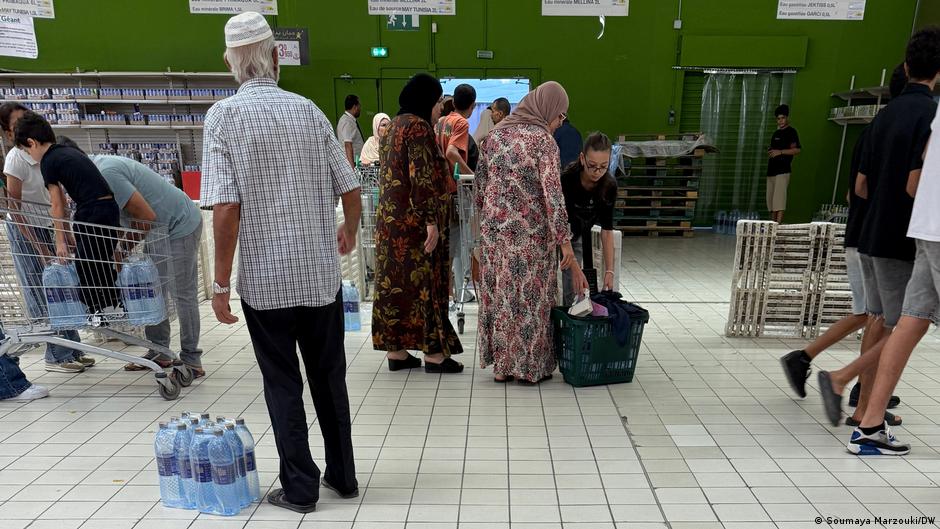
Tunisia's Bottled Water Crisis Exposes the Fragility of the Water Sector
Despite easing of the bottled water crisis, its repercussions continue to reveal deep challenges related to water scarcity and deteriorating distribution networks in Tunisia.
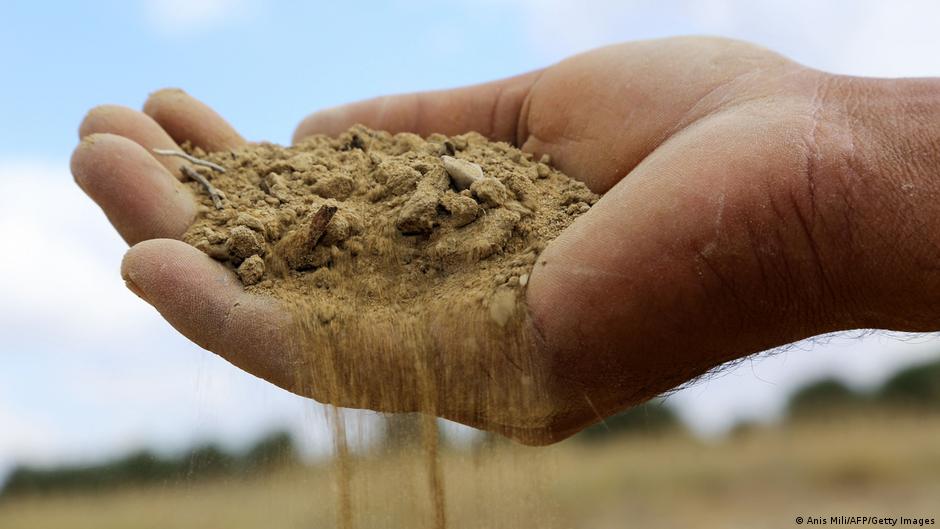
Tunisia Searches for Water Crisis Solutions Between Land and Sky
Despite a relative improvement in rainfall at the start of 2025 after five years of drought, Tunisia continues to face a severe water crisis exacerbated by climate change and fluctuating reservoir levels.
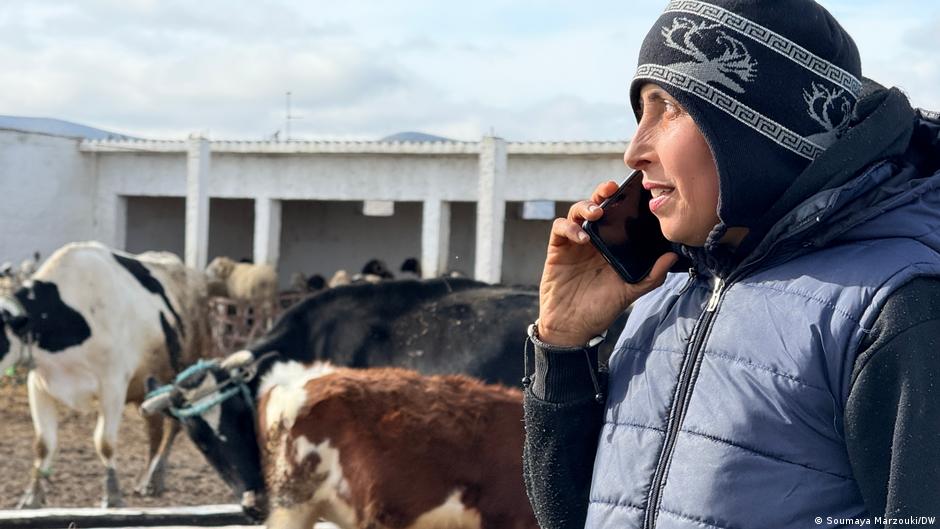
Tunisian Young Women Turn to Farming to Escape Unemployment and Migration
As unemployment rises and rural populations drift away, young Tunisian women are finding in agriculture and livestock farming a way to earn a living and revive the countryside.
Pakistan PM says government pursuing measures to boost tourism
Prime Minister Shehbaz Sharif said Pakistan is working to strengthen tourism infrastructure and expand economic opportunities tied to the sector.
KP government collected Rs150bn in revenue last fiscal year without new taxes: CM
Chief Minister Muhammad Sohail Afridi said Khyber Pakhtunkhwa exceeded its Rs130bn revenue target without imposing additional taxes.

10-Year Treasury Yield Hits Nearly Two-Decade High
The benchmark 10-year Treasury yield has climbed to its highest level in roughly 19 years, driven by persistent inflation, heavy bond issuance and an AI-fueled investment boom.