Peatlands in North Carolina: From Carbon Storage to Underground Fire Fuel
A Sky News Arabic report highlights peat layers accumulated over thousands of years in the United States, and how drainage channels have transformed them into a dangerous fuel source feeding fires that can burn underground for weeks or months.
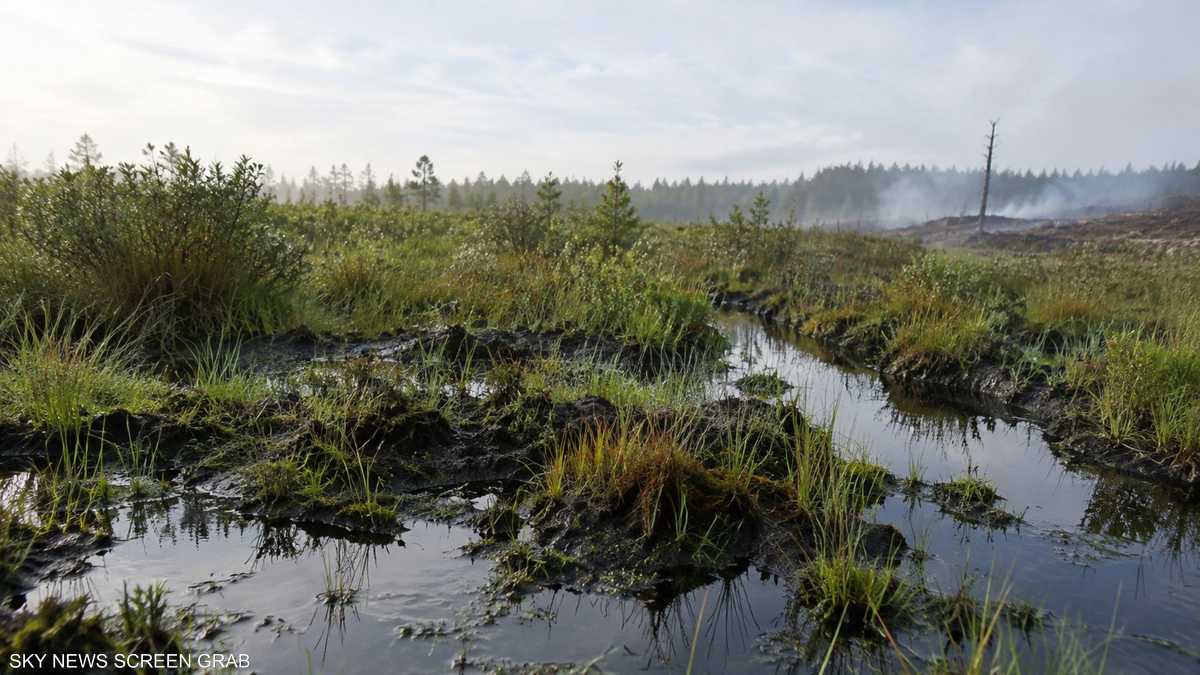
According to a report published by Sky News Arabic, layers of peat have accumulated over thousands of years beneath vegetation cover in North Carolina, storing massive quantities of carbon collected through long periods of plant growth and slow decomposition in wet environments.
The report notes that a network of drainage channels was dug in the area to dry out the land, but this effort backfired, transforming the wet peat layers into combustible material vulnerable to fires capable of burning underground for extended periods lasting weeks or even months.
The report points to a dual significance in this transformation: peatlands are among the most important natural ecosystems capable of trapping carbon and preventing it from escaping into the atmosphere. However, when dried through human intervention, they become a potential source of substantial carbon emissions when ignited, while also being far more difficult to extinguish compared to conventional surface fires.
The published report did not include additional details about the entities responsible for digging the channels or the precise timeline of this process. Meanwhile, observers and specialists continue to monitor the impact of such changes on wetland ecosystems in similar regions around the world.
Sources
- مستنقعات الخث.. سلاح طبيعي ضد الحرائق والكربون — Sky News Arabia — Technology
EGazette summarizes reporting from multiple sources; follow the links for the originals.
Related articles
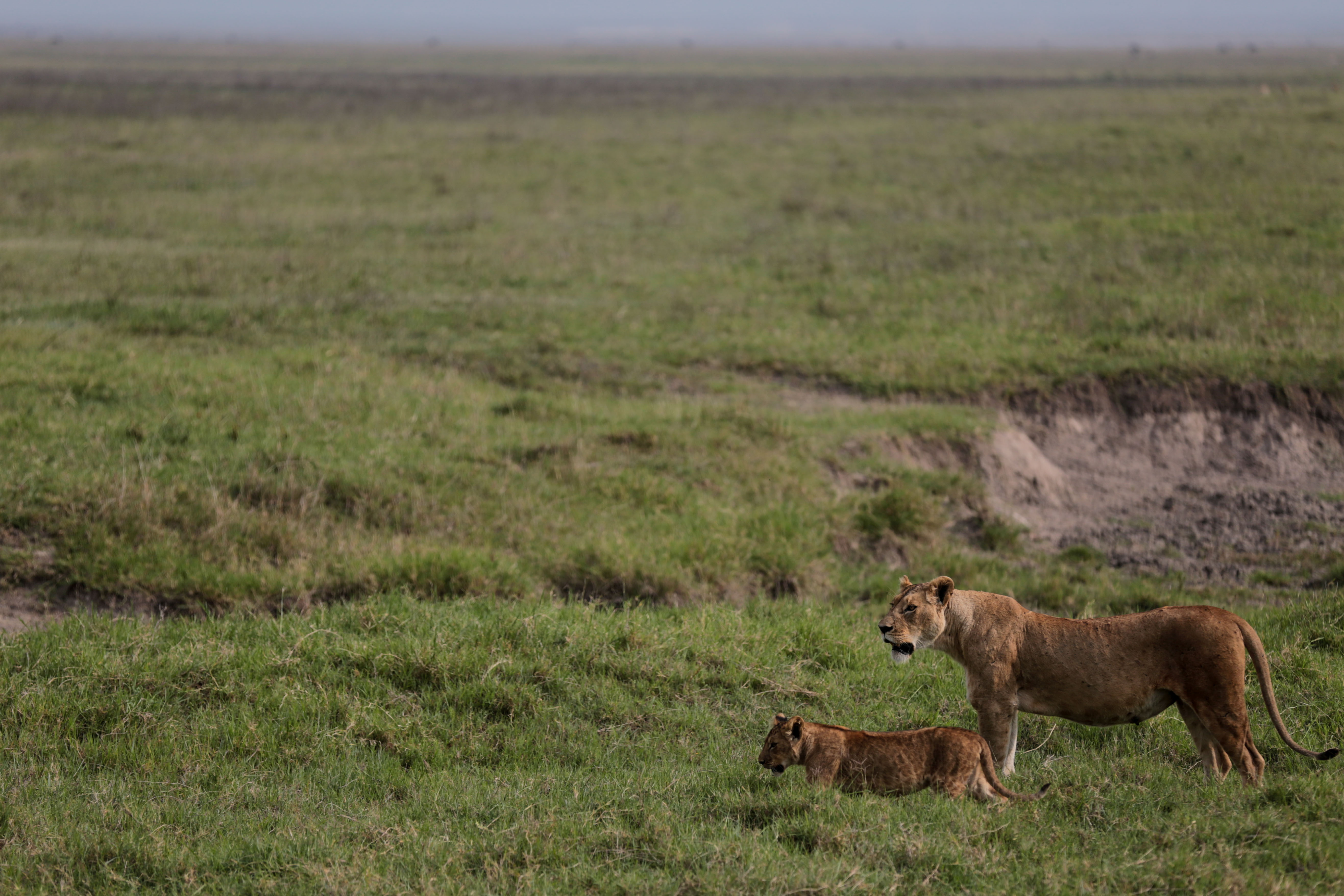
Poison suspected in deaths of ten lions at Tanzania game reserve
The lions were discovered dead in the Ngorongoro Conservation Area, prompting wildlife officials to investigate.

European Space Agency Launches Two Satellites to Monitor Climate Change
The new satellites will help scientists study the effects of climate change, with one instrument dedicated to observing plant life

Exceptional Discovery of Denisovan Fossils in a Southwestern Chinese Cave
Extremely rare remains of these Asian "cousins" of Neanderthals have been unearthed alongside stone tools, shedding new light on their way of life.
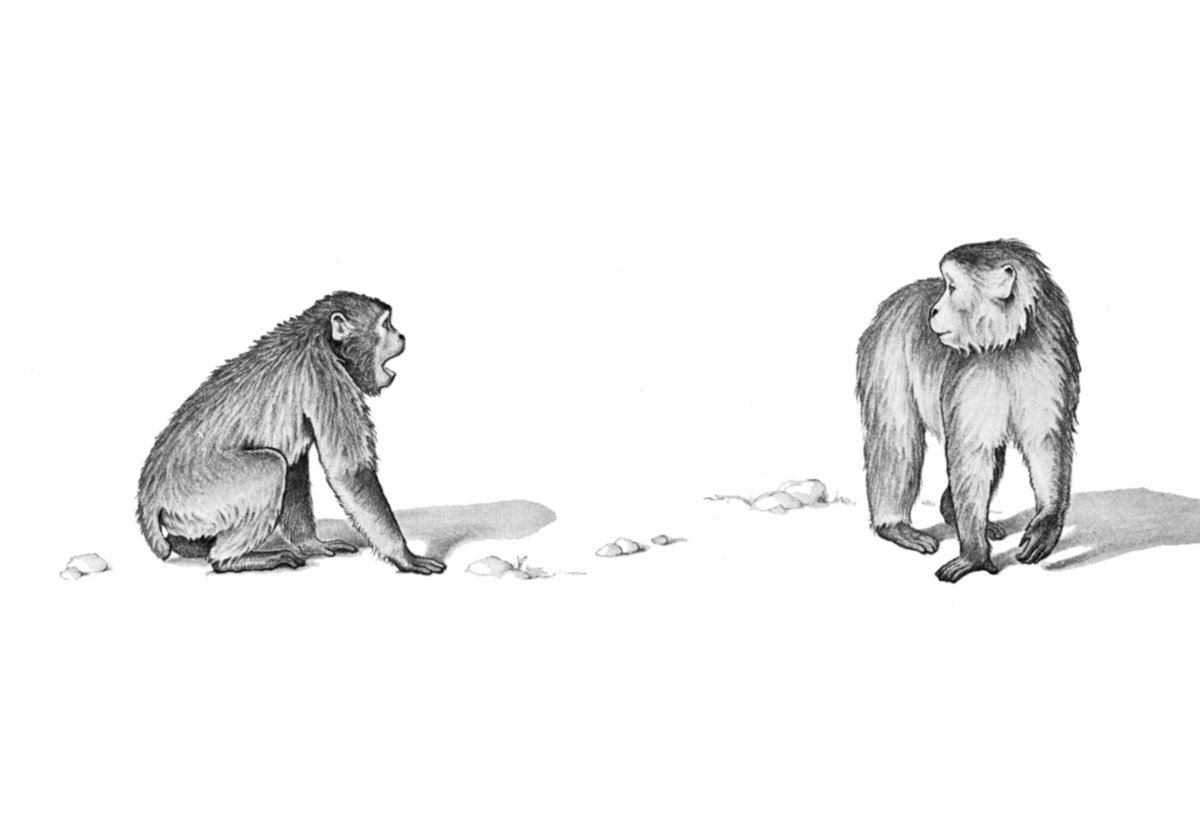
Scientific American's October Retrospective Looks Back at Smallpox, Skyscrapers and Racetrack Research
A historical column published by Scientific American revisits science and technology milestones from 50, 100 and 150 years ago, touching on smallpox eradication efforts, skyscraper excavation work and research conducted at racetracks.

NASA's Astronomy Picture of the Day Features Analemma Over Scotland's Callanish Stones
The September 20, 2026 edition of NASA's long-running APOD series highlights a composite image showing the sun's yearly path above the ancient Callanish Stones.

New Archaeological Evidence Points to Hidden Passages Behind Tutankhamun's Tomb
Archaeological study reopens the file on the lost tomb of Queen Nefertiti after detecting indicators of undiscovered chambers and passages behind the walls of the young pharaoh's tomb in the Valley of the Kings
Comments
Loading comments…