Autumn Season.. How Does It Affect Our Mood?
With shorter days and declining sunlight, researchers link autumn to mood fluctuations and increased anxiety.

Many people welcome autumn because of its warm colors and calm atmosphere, but for another group of people, this season can be a difficult period with mood swings and high levels of anxiety and stress.
Researchers link this phenomenon to shorter daylight hours and a decrease in the amount of natural light as autumn enters, which studies suggest may affect the mental health of people who are more sensitive to these seasonal changes.
Scientific explanations for the phenomenon
Mental health professionals explain this phenomenon, sometimes known as seasonal mood disorder, by being associated with reduced exposure to sunlight, which affects the release of certain hormones associated with mood regulation and sleep within the body.
Symptoms associated with this condition include fatigue, low energy, difficulty concentrating, and some people tend to withdraw and withdraw from normal social activities as autumn and winter enter.
Specialists advise people who notice these symptoms to see a mental health professional to accurately assess their condition, especially if the symptoms significantly affect their daily life or last for long periods during this semester.
Sources
- فصل الخريف.. كيف يؤثر على مزاجنا؟ — France 24 — Arabic
EGazette summarizes reporting from multiple sources; follow the links for the originals.
Related articles

Nurses go door to door in Amish country to curb deadly measles outbreak
With four measles deaths recorded in Pennsylvania, health workers are pushing vaccination through private, one-on-one conversations.
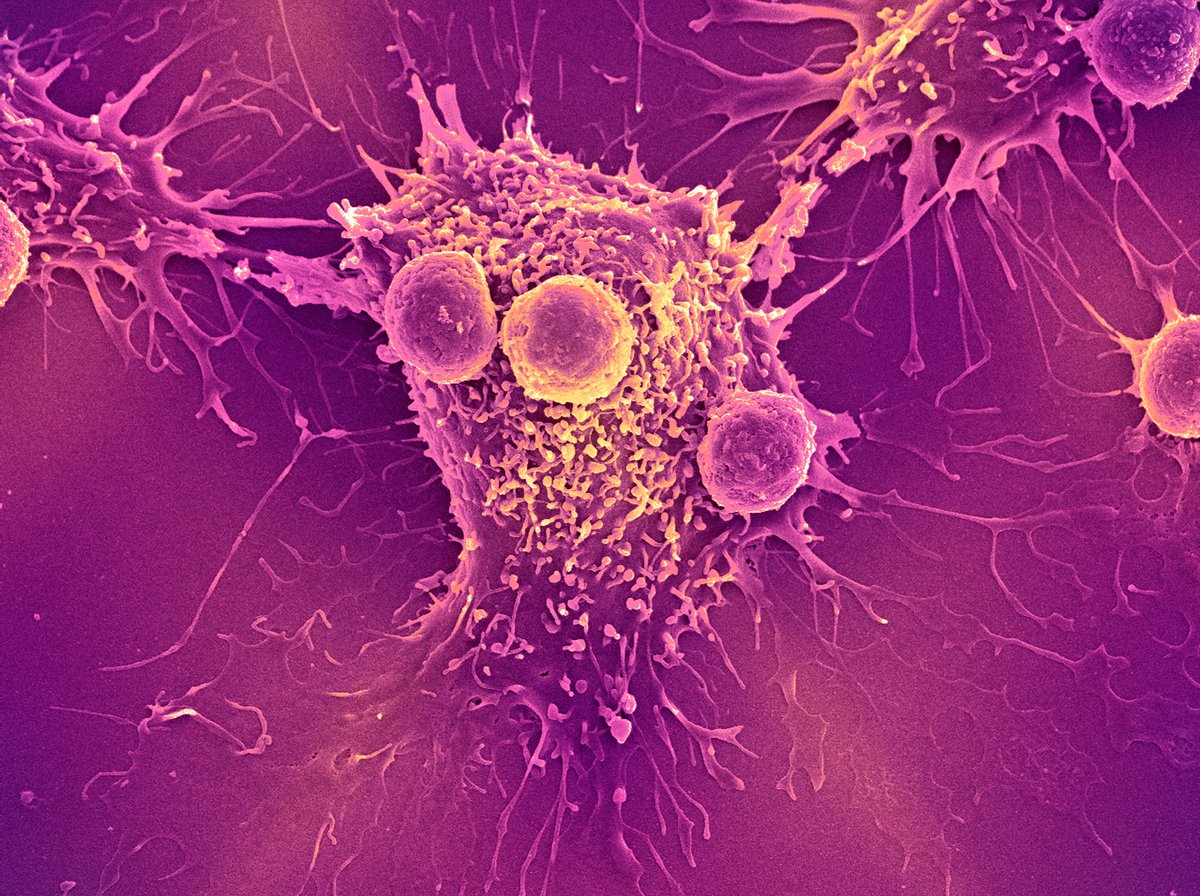
Blood Test for Multiple Cancers Clears Key Hurdle on Path to FDA Approval
A blood test designed to detect multiple types of cancer has passed a significant regulatory milestone, though experts say more research is still needed.

RFK Jr.'s CDC Blocks States From Ordering COVID-19 Vaccines for Children
The US health department says it wants to ensure that vaccine orders for kids are 'appropriate,' effectively limiting states' ability to procure COVID-19 shots.

Blood Tests Reveal High Levels of 'Forever Chemical' in Residents Near UK Factory
Health officials say people living near a chemical plant in Lancashire may face elevated health risks after tests found high concentrations of a cancer-linked PFAS compound in their blood.

Toxic Smog From Wildfires Is Making Indonesians Sick
Around 175,000 people in Indonesia have suffered respiratory illness since August due to wildfire smog, the BBC reported.
France's Subsidised Health Coverage for the Poorest Goes Unclaimed by Nearly Half Who Qualify
As medical costs and co-payments rise, the government says France's low-income complementary health coverage scheme protects those most in need, though take-up remains far short of eligibility.
Comments
Loading comments…