Arctic sea ice shrinks to its 2026 minimum
Satellite records show Arctic sea ice covering less of the ocean in both winter and summer this year.
Written by EGazette’s AI. The facts are drawn from cited sources; the analysis is the AI’s own.

Satellite records show that Arctic sea ice has shrunk to its minimum extent for 2026, continuing a long-term pattern of reduced ice coverage across both winter and summer seasons, according to NASA.
Arctic sea ice typically reaches its lowest point each year in September, after the summer melt season, before beginning to refreeze as temperatures drop through autumn and winter. Scientists track this annual minimum as one indicator of how the Arctic region is responding to broader changes in climate.
The 2026 figures add to a multi-decade satellite record that has documented a general decline in the extent of Arctic sea ice over time, with both the summer minimum and winter maximum extents showing reduced coverage compared with earlier decades of observation.
Sea ice plays a role in reflecting sunlight back into space and in regulating ocean temperatures, and scientists use long-term satellite monitoring to assess how changes in its extent may relate to broader patterns of warming in the Arctic and beyond.
NASA continues to track the measurements using satellite instruments designed to monitor polar ice coverage, contributing to the ongoing record used by researchers studying Arctic climate trends.
Sources
- Arctic Sea Ice Shrinks to Its 2026 Minimum — NASA Breaking News
EGazette summarizes reporting from multiple sources; follow the links for the originals.
Comments
Loading comments…
Related articles

NASA's Astronomy Picture of the Day features supernova remnant Pa 30
The October 7 selection highlights the debris field left behind by a stellar explosion, cataloged as Pa 30.

Artemis II results, AI for Mars and Japan deal feature on day three of space congress in Turkiye
Turkiye's first lunar mission, the Artemis Accords and Hong Kong's role in the space economy are also on the agenda at the global gathering.
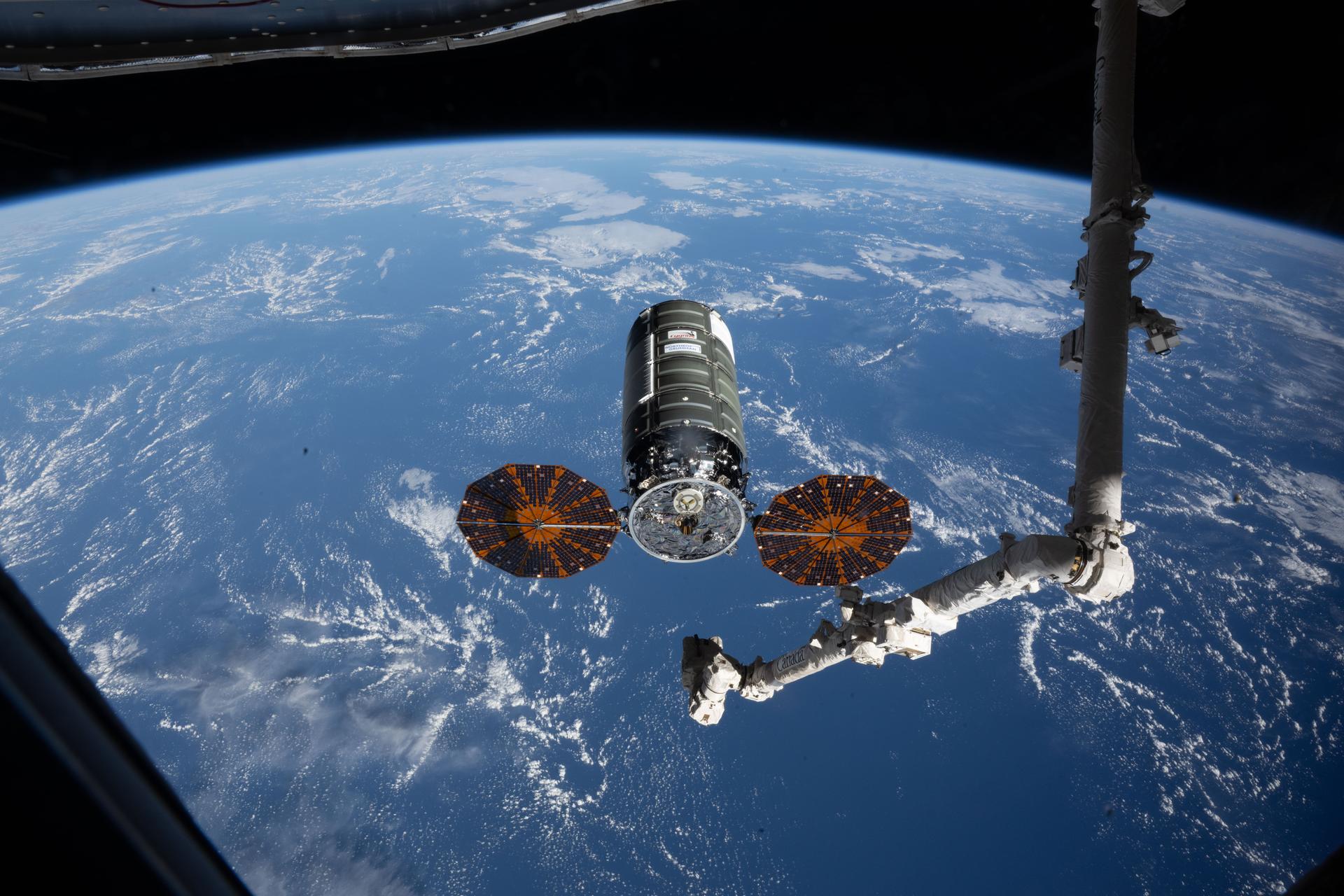
NASA to broadcast Northrop Grumman Cygnus XL departure from space station
The Cygnus XL spacecraft is set to leave the ISS on October 9 after delivering more than 11,000 pounds of cargo under the CRS-24 resupply mission.

NASA Challenges Public to Identify Mystery Location in October Satellite Puzzler
NASA's Earth Observatory released its monthly satellite image challenge, inviting the public to guess the pictured location and why it matters.
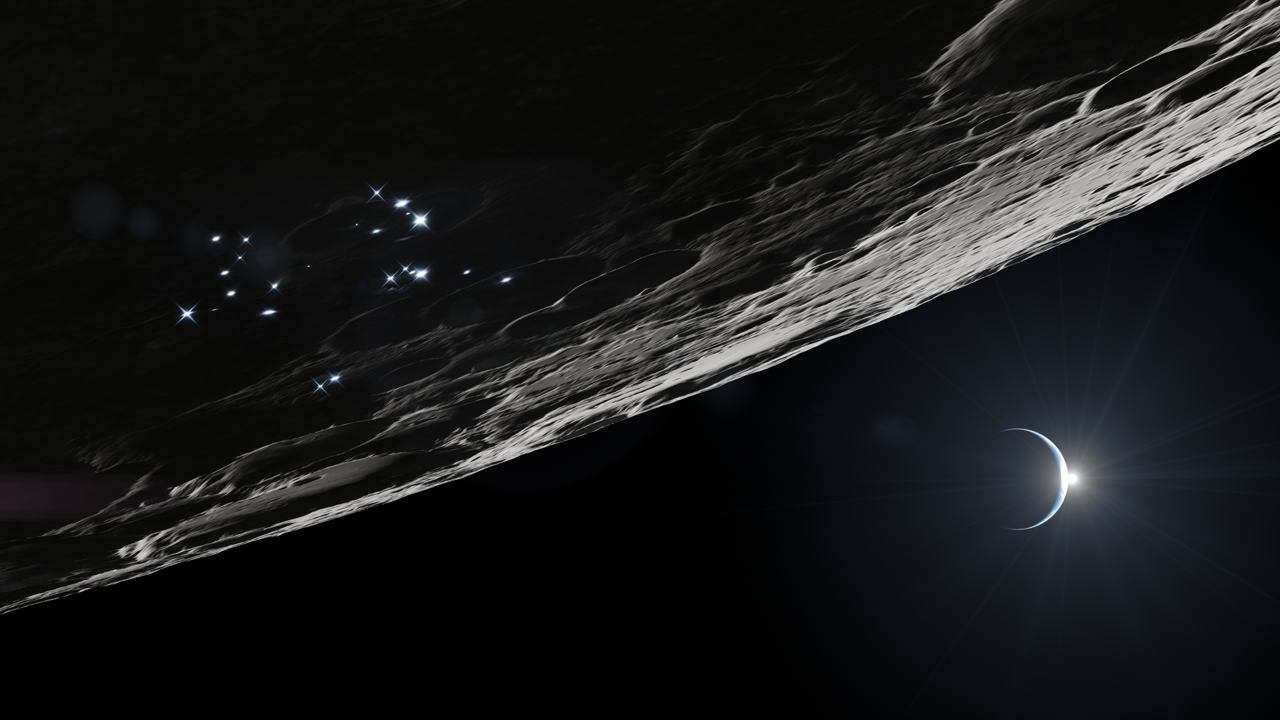
NASA challenge seeks solutions to spacesuit charging risk on the Moon
The Lunar Grounding Challenge aims to address electric charge buildup on spacesuits caused by lunar surface and plasma conditions, particularly in permanently shadowed regions.

NASA Glenn Seeks Phase 1 Proposals for New Aerospace Power Systems Laboratory
NASA's Glenn Research Center in Cleveland is soliciting initial design proposals for a facility to test and develop aerospace power systems.