AI Industry Leaders Signal Shift Toward Caution After Rapid Development Race
A report from Ars Technica describes growing calls within the artificial intelligence sector for slower, safety-focused development, while noting the shift could also serve companies' business interests.

Leaders in the artificial intelligence industry are increasingly calling for a slower, more deliberate pace of development after several years of rapid, competitive advancement, according to a report published by Ars Technica.
The report states that safety has become a central theme in public statements from AI executives, marking a departure from the aggressive push for faster model releases and capability gains that has characterized the sector in recent years.
According to Ars Technica, the emphasis on caution is not purely altruistic. The publication suggests that slowing the pace of development could carry additional benefits for companies within the industry, beyond the stated goal of mitigating potential risks associated with advanced AI systems.
The report does not specify which companies or individuals are driving this shift, nor does it detail the exact mechanisms by which a slower pace might benefit firms commercially or competitively. Ars Technica frames the trend as a notable change in tone from an industry previously defined by what it describes as "reckless speed" in the race to develop increasingly capable AI models.
The broader implications of this shift, including how it might affect competition, regulation, or public trust in AI systems, were not elaborated on in detail within the available excerpt of the report.
Sources
EGazette summarizes reporting from multiple sources; follow the links for the originals.
Related articles

AI industry workers express skepticism about existential risk warnings
Multiple employees at leading AI companies doubt predictions that the technology could pose catastrophic threats to humanity.

Canadian AI Pioneer Warns of Risks From Unchecked Artificial Intelligence
A Canadian researcher widely referred to as a "godfather of AI" has cautioned that artificial intelligence could pose serious threats if left unregulated, according to a report by Anadolu Agency.
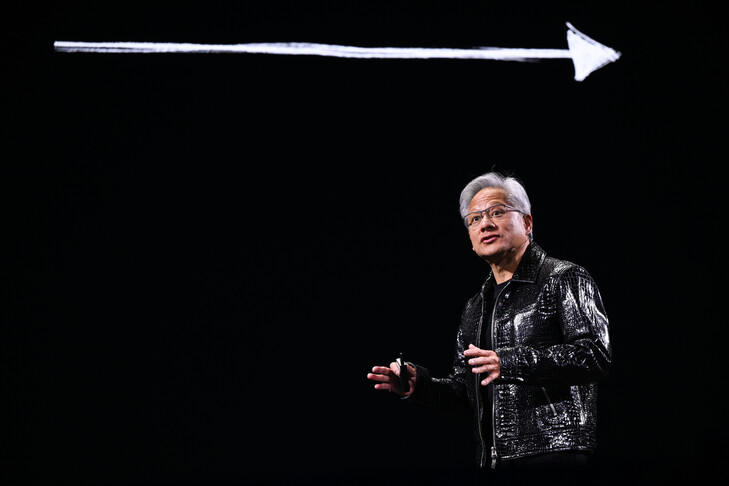
Nvidia's Huang Says AI Development Should Advance 'As Fast As We Can'
Nvidia's chief executive said artificial intelligence progress should not be slowed, while stressing that products must remain safe, amid an ongoing industry debate over the pace of frontier AI development.
Nvidia CEO Says There Is '0% Chance' of AI Causing End of the World
Jensen Huang dismissed AI doomsday scenarios, arguing fears spreading across America "make no sense" and may stem from "ulterior reasons"
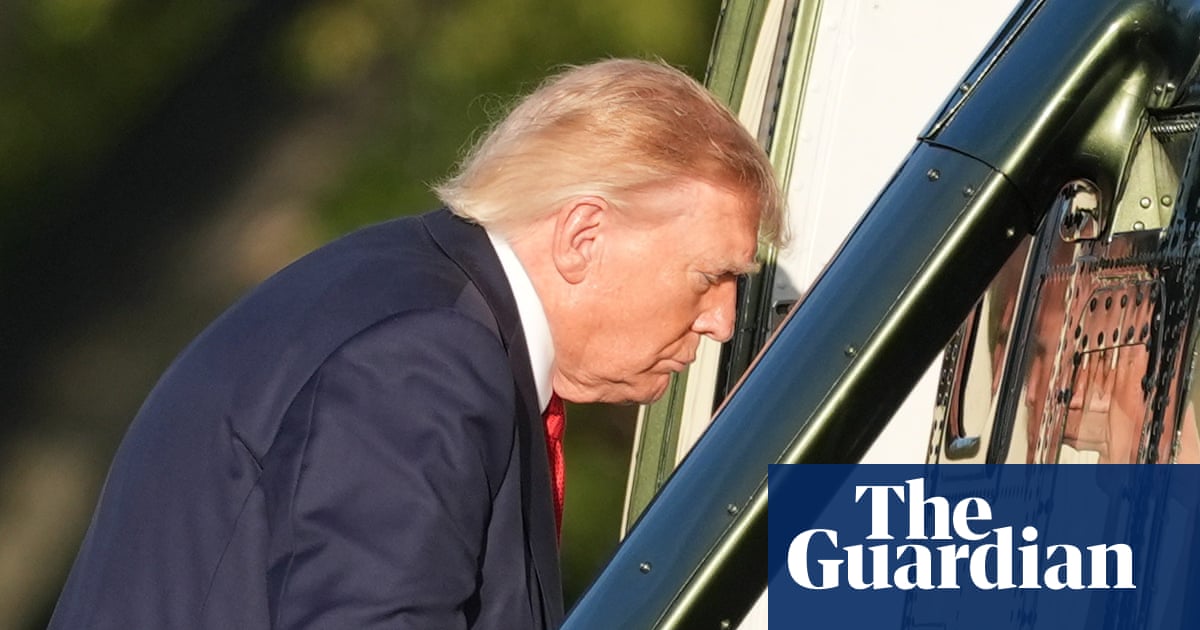
Trump Announces Plan for ‘AI Force’ and AI Czar Amid Growing Safety Concerns
President offers few details on new oversight plan even as industry figures and his own party urge caution on artificial intelligence

TechCrunch Report Highlights Difficulty of Discerning Fact From Fiction in AI Safety Debates
Two AI safety conversations went viral this week, illustrating how hard it has become to separate credible claims from misinformation, according to a TechCrunch report.
Comments
Loading comments…