Fed Raises Interest Rates, Drawing Sharp Criticism from Trump
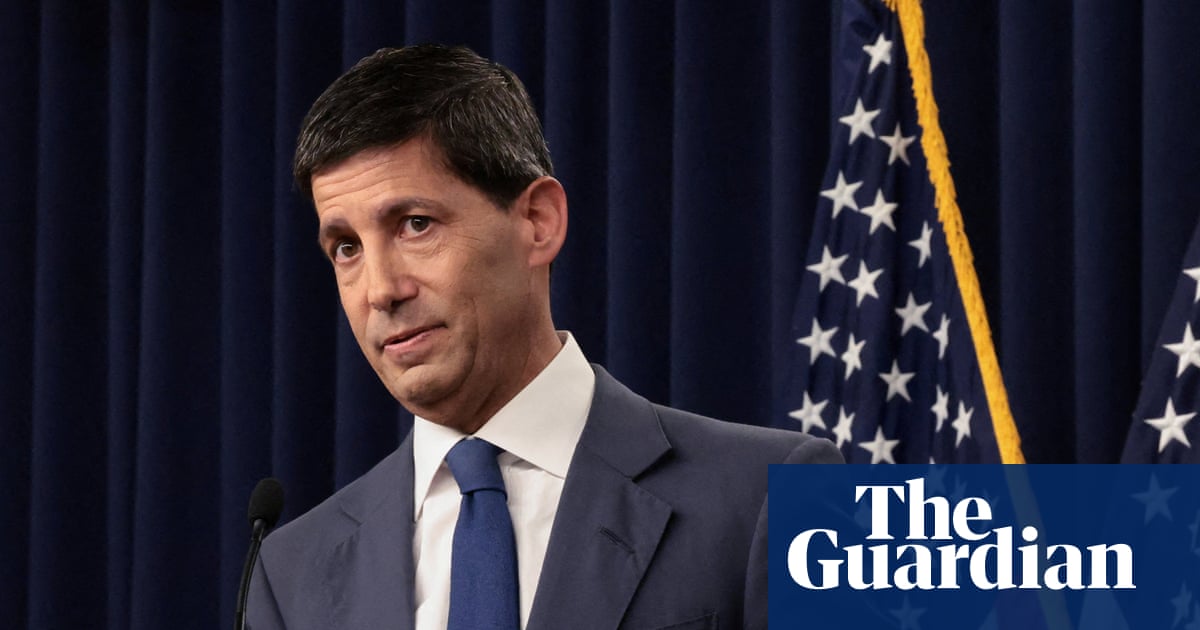
The Federal Reserve's first rate hike since 2023 has prompted an immediate rebuke from President Trump, as Fed Chair Kevin Warsh defends the central bank's independence.

The Federal Reserve's first rate hike since 2023 has prompted an immediate rebuke from President Trump, as Fed Chair Kevin Warsh defends the central bank's independence.
Anadolu Agency reports that world markets responded positively to the U.S. Federal Reserve's latest interest rate increase, even as expectations of further hikes this year weigh on investor risk appetite.

BBC's Samira Hussain outlines the factors behind the Federal Reserve's decision and its potential impact on the US economy.
The Federal Reserve has revised its economic projections, raising its inflation outlook for 2026 while lowering unemployment forecasts, according to Anadolu Agency.
Central bank lifts benchmark rate by 25 basis points to 3.75%-4% range in unanimous decision, according to Anadolu Agency.

Traders assign more than 90% probability that the Federal Open Market Committee will approve a quarter-point rate hike, according to CNBC.

The central bank's open market committee voted unanimously to lift its benchmark rate by a quarter point to 3.75%-4%, citing efforts to curb inflation.

The Federal Reserve raised interest rates for the first time since 2023 on Wednesday and indicated a further increase could follow before year's end, according to CNBC.

The Federal Reserve announced a quarter-percentage-point increase to its benchmark interest rate, with Chairman Warsh saying inflation remains elevated, according to CNBC.

Traders assign over 90% probability to a quarter-point hike as the Federal Open Market Committee meets, according to CNBC.
President Donald Trump renewed pressure on the Federal Reserve, demanding a sharp rate cut and repeating an earlier threat over trade surpluses, according to a CNBC report.

NPR News reports the Federal Reserve increased its benchmark rate this week, and outlines in a new explainer how the move ripples through the economy.

Federal Reserve Chair Kevin Warsh said inflation remains too high as the central bank announced its first rate increase in three years, with analysts projecting a cautious tightening path.
The U.S. central bank increased its benchmark rate on Wednesday, a decision that had been broadly expected by markets, according to CNBC.
A redline analysis by CNBC highlights differences between the Federal Reserve's latest policy statement and its previous one, issued as Warsh leads the central bank.
Analysts say Federal Reserve Chairman Kevin Warsh's press conference tone will be key to how equities react to this week's policy decision.
The central bank lifted its policy rate by 25 basis points to 1.25% in a split 7-2 vote, citing inflation risks, according to Anadolu Agency.
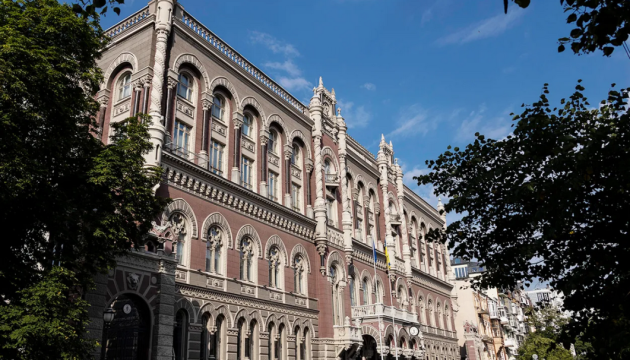
The National Bank of Ukraine says the inflation trajectory in coming months may run higher than previously projected.

Comments from Federal Reserve Chairman Kevin Warsh explaining this week's interest rate increase have left investors uncertain about how much further the central bank intends to tighten policy, according to CNBC.

Pakistan's central bank carried out open market operations to maintain liquidity, using reverse repo and Shariah-compliant instruments.

Traders brace for the possibility of a new rate hiking cycle as markets await the Federal Reserve's latest policy announcement.
The central bank's policy board voted 7-2 to lift rates, with two members dissenting from the decision, according to CNBC.

The central bank lifted its benchmark rate to 1.25%, following similar tightening moves by the US Federal Reserve and European Central Bank
Three policymakers voted for a quarter-point hike as energy-driven price pressures persist, according to Anadolu Agency.
The National Bank of Ukraine announced a decision to increase its benchmark interest rate, according to Ukrinform.
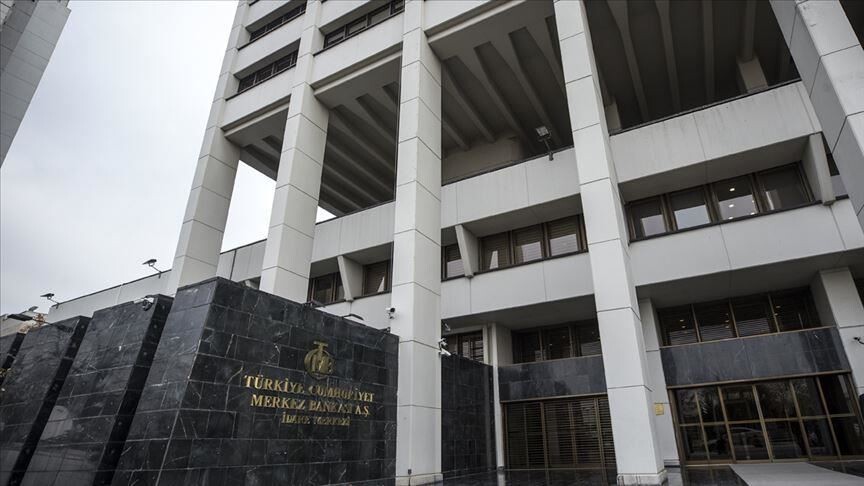
CBRT says it is increasing liquidity support and easing collateral requirements following recent market developments
Market pricing points to a near-certain interest rate increase this month, with additional tightening expected in December, according to CNBC.

The US Federal Reserve increased interest rates despite opposition from President Trump, who had called for reductions and had selected the current Fed chair.

Russia's central bank reported consumer prices fell slightly in August even as annual inflation ticked higher, with underlying price pressures estimated in the 5-6% range.
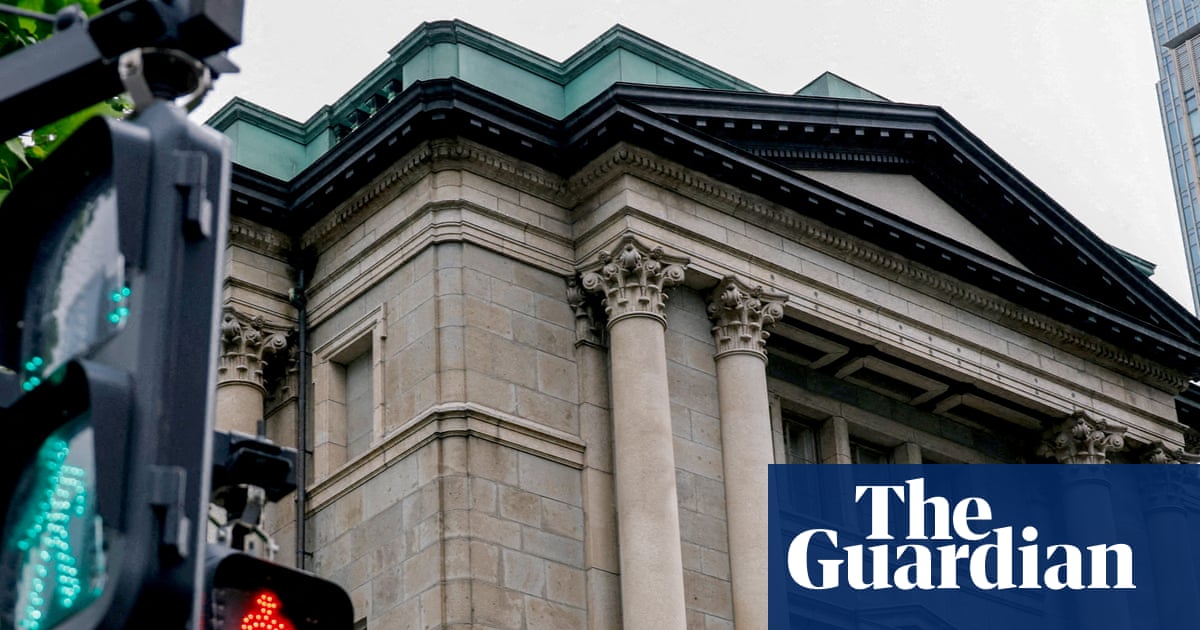
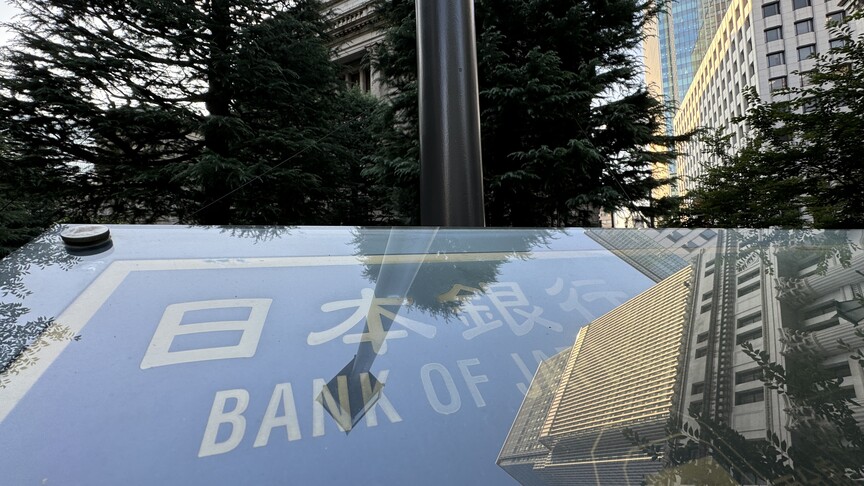
The Bank of Japan is widely anticipated to raise its benchmark interest rate by 25 basis points, with Governor Kazuo Ueda expected to proceed cautiously to avoid market volatility, according to Anadolu Agency.

The increase, reported by CNBC, comes just hours before the Bank of England is due to announce its latest monetary policy decision.

A CNBC survey indicates economists anticipate the Bank of Japan will lift interest rates to their highest level in roughly 30 years.
An opinion piece in The Guardian argues that the Bank of England's bond-selling programme has blurred the boundary between monetary and fiscal policy, leaving ministers liable for costs they cannot control.

Markets remain split on which direction Federal Reserve policymakers will lean, with upcoming inflation data seen as pivotal to the outcome, according to CNBC.

In a letter to The Guardian, Professor Costas Milas argues that the current rise in UK bond yields presents a complex challenge for the Bank of England ahead of its September interest rate decision.