Fed Raises Interest Rates for First Time This Year, NPR Explainer Breaks Down the Mechanics
NPR News reports the Federal Reserve increased its benchmark rate this week, and outlines in a new explainer how the move ripples through the economy.
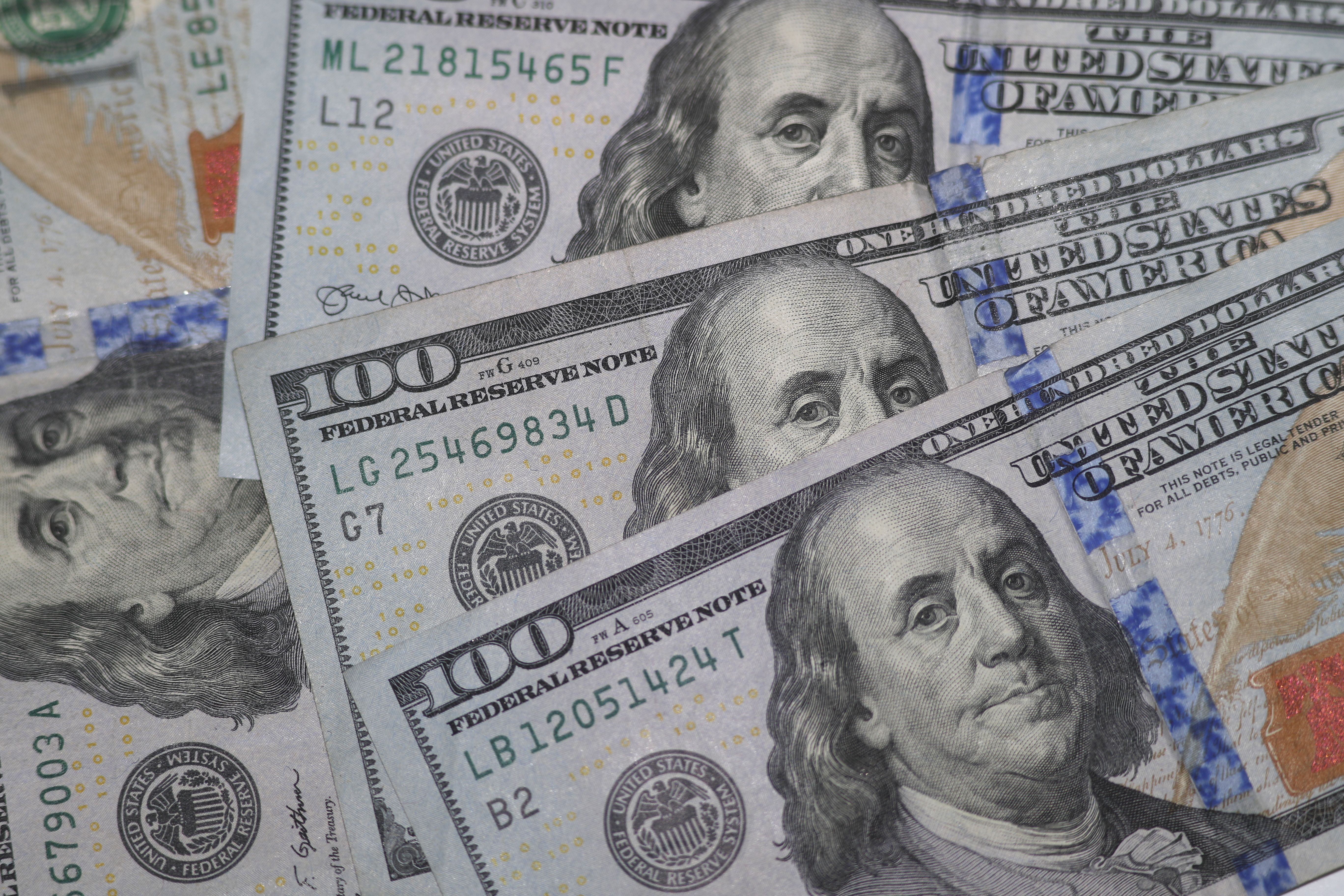
The Federal Reserve raised interest rates this week for the first time this year, according to a report published by NPR News. The move marks a shift in the central bank's monetary policy stance after holding rates steady for months, the outlet said.
In an explainer accompanying its report, NPR News sought to answer basic questions about how the Fed's interest rate mechanism works and what it means for consumers, businesses and the broader economy.
According to NPR News, the Fed's benchmark rate — often referred to as the federal funds rate — is the interest rate banks charge one another for short-term overnight loans. Changes to this rate influence, though do not directly set, the rates that consumers and businesses see on mortgages, credit cards, auto loans and savings accounts, the outlet reported.
NPR News noted that when the Fed raises rates, borrowing generally becomes more expensive, which can slow spending and investment and help temper inflation. Conversely, lower rates tend to make borrowing cheaper, encouraging spending but potentially fueling price increases, the report said.
The Fed adjusts rates through its rate-setting body, the Federal Open Market Committee, which meets periodically to assess economic conditions such as inflation, employment and growth before deciding whether to raise, lower or hold rates steady, according to the NPR News report.
NPR News said this week's increase — the first of 2026 — reflects the central bank's ongoing effort to balance its dual mandate of controlling inflation while supporting maximum employment. The outlet did not specify the exact size of the rate increase or the new target range in the excerpt reviewed.
The Fed's decisions are closely watched by financial markets, businesses and households, as changes in borrowing costs can affect everything from home purchases to corporate expansion plans, NPR News reported.
Sources
EGazette summarizes reporting from multiple sources; follow the links for the originals.
Related articles
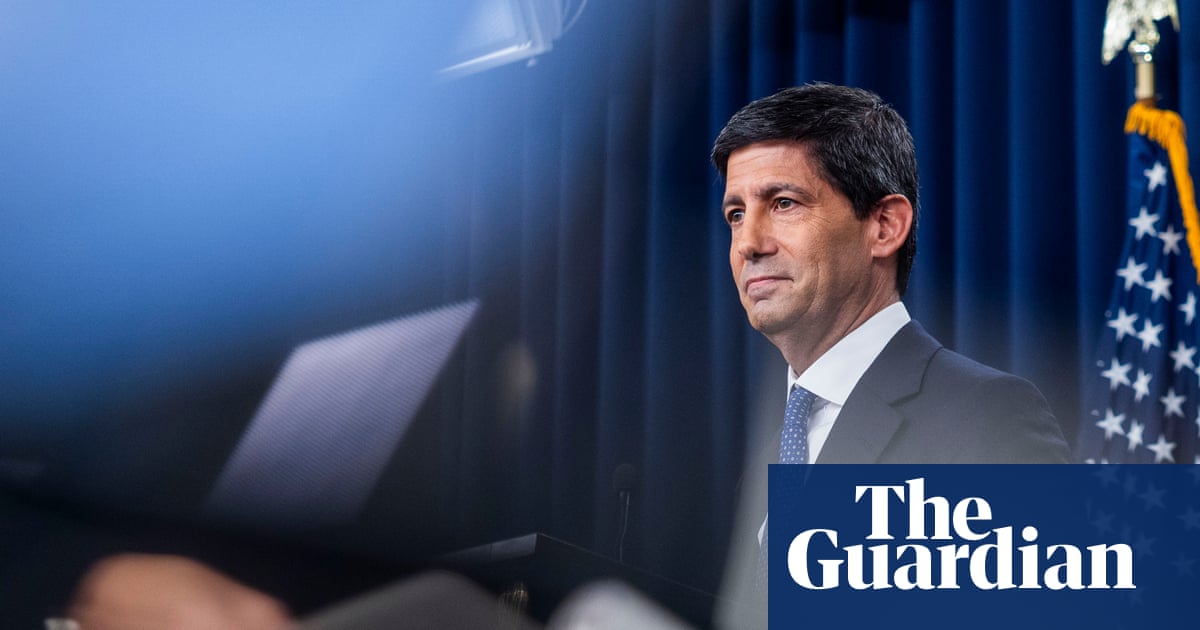
Fed Chair Kevin Warsh Wins Unanimous Vote to Raise Interest Rates Amid White House Pressure
The Federal Reserve, led by chair Kevin Warsh, voted unanimously to raise interest rates for the first time in three years, according to a report by The Guardian.
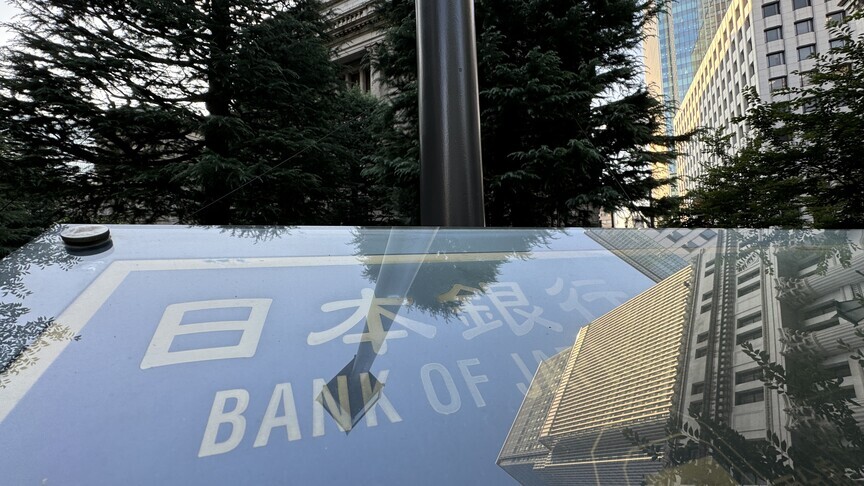
Bank of Japan Raises Interest Rate to 31-Year High Amid Inflation Concerns
The central bank lifted its policy rate by 25 basis points to 1.25% in a split 7-2 vote, citing inflation risks, according to Anadolu Agency.
Bank of Japan Raises Interest Rates to 31-Year High, Citing Inflation Concerns
The central bank's policy board voted 7-2 to lift rates, with two members dissenting from the decision, according to CNBC.
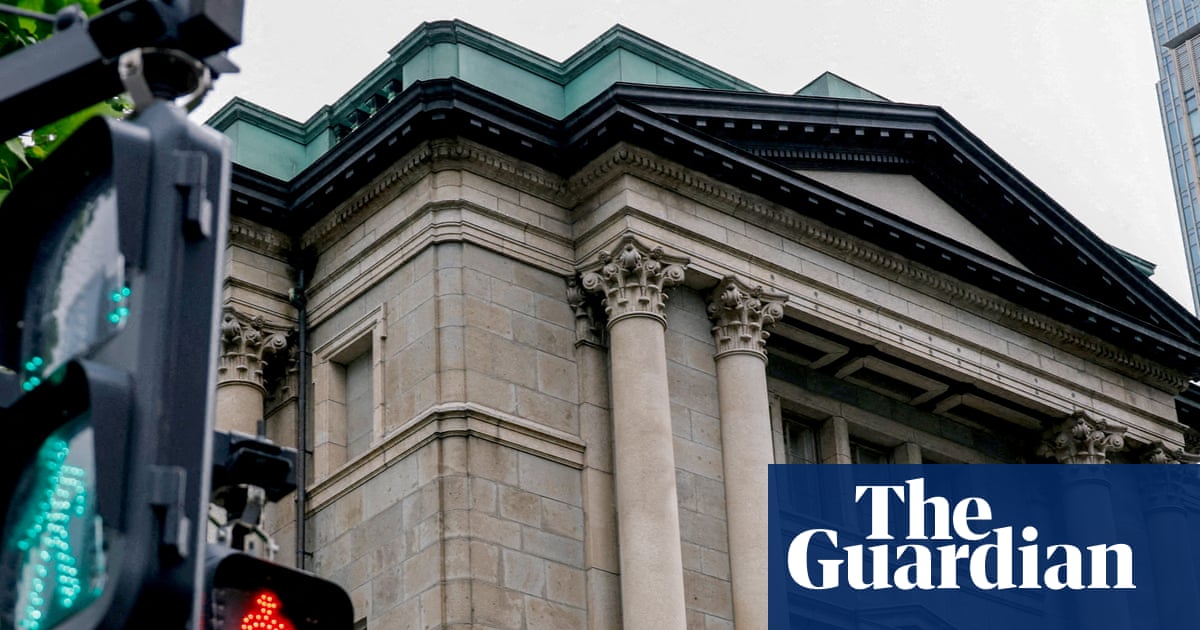
Bank of Japan Raises Rates to 31-Year High Amid Inflation Concerns
The central bank lifted its benchmark rate to 1.25%, following similar tightening moves by the US Federal Reserve and European Central Bank

Stock Market Faces Test From Rate Fears and AI Safety Debate, CNBC Reports
Investors weighed the prospect of a new Federal Reserve rate-hiking cycle alongside growing questions over artificial intelligence safety, according to a CNBC report.

Japan Raises Interest Rate to 31-Year High Amid Inflation Concerns
The move follows a global trend of central banks tightening policy as high energy prices push up inflation, BBC Business reported.
Comments
Loading comments…