EconomyOfficialReported
Bank of England Holds Interest Rate at 3.75% Amid Rising Inflation Risks
Three policymakers voted for a quarter-point hike as energy-driven price pressures persist, according to Anadolu Agency.
· 1 min read
Three policymakers voted for a quarter-point hike as energy-driven price pressures persist, according to Anadolu Agency.
The central bank kept borrowing costs unchanged but signaled it could raise rates further if the Middle East conflict continues to push up energy prices and inflation risks.

The Bank of England kept rates unchanged despite rising inflation, warning they could rise if high energy prices persist, according to a report by BBC.
The Bank of England kept interest rates unchanged but warned borrowing costs could rise if high energy prices persist, according to BBC News.
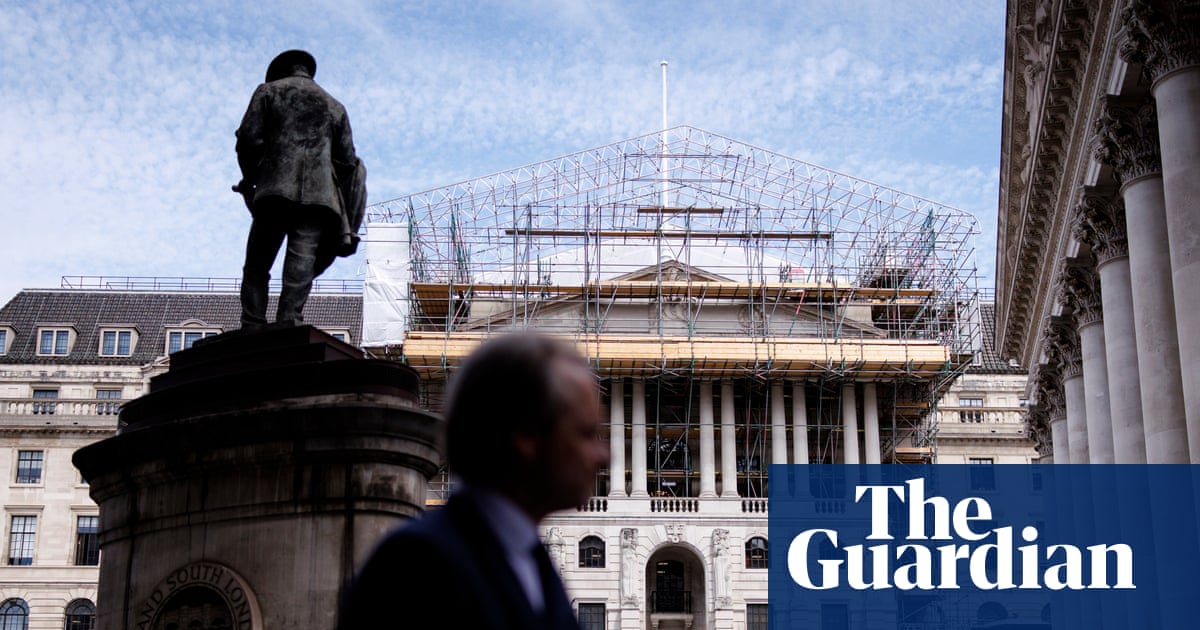
The Bank's monetary policy committee left rates unchanged on Thursday but signaled it may not be able to hold that position much longer, according to a Guardian analysis, complicating Prime Minister Andy Burnham's promise of economic 'breathing space' for households.
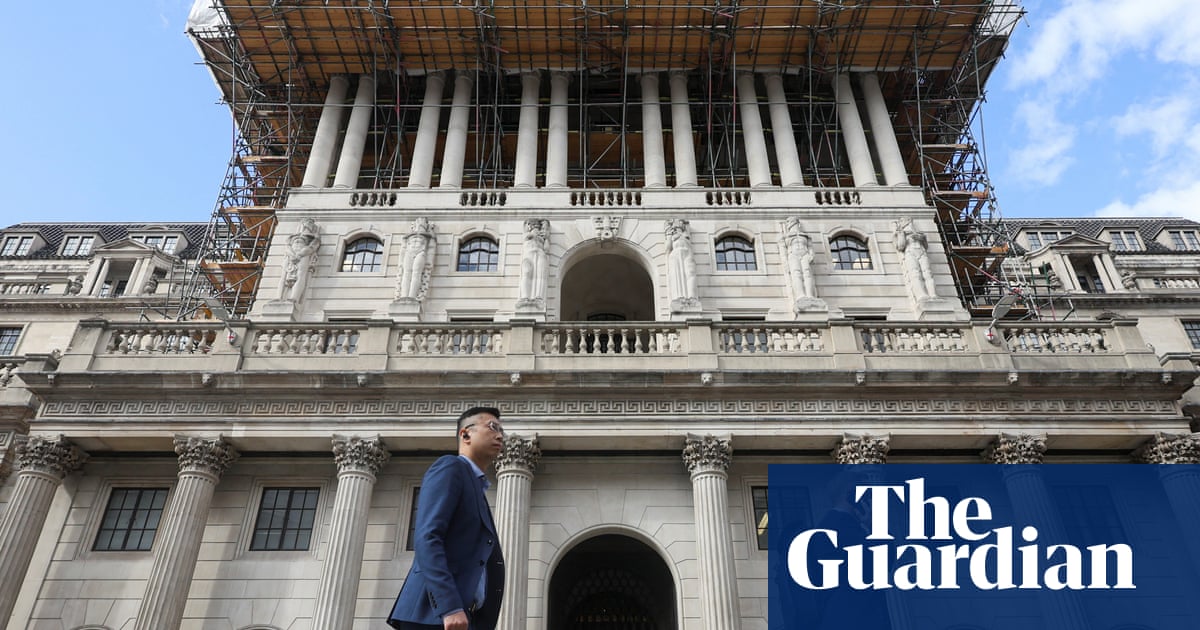
Central bank also unveils surprise plan to sell government bonds back to the Treasury, a move that could affect public finances ahead of next month's budget.
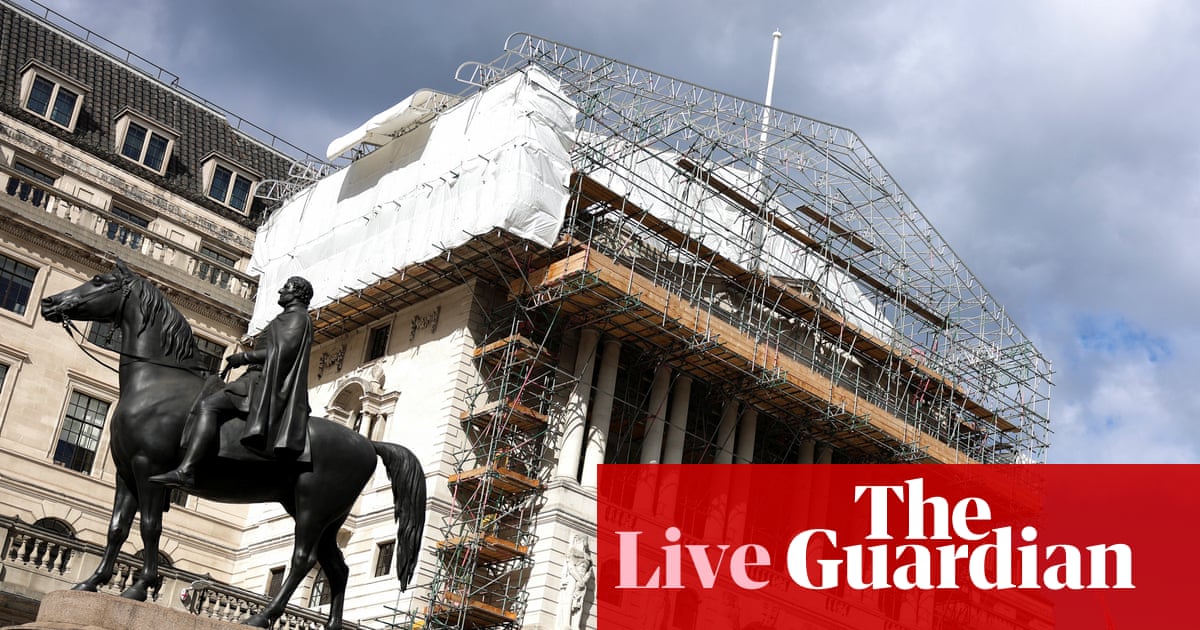
The central bank kept its key rate unchanged while announcing a reduction in the speed of its quantitative tightening programme, as new data revised UK productivity growth higher.
Andrew Griffith says trade union representation on the Bank's oversight body could undermine its reputation for financial discipline, as he also acknowledges shortcomings in the Making Tax Digital programme.

The central bank kept its key rate unchanged on Thursday even as inflation climbed to 3.1%, diverging from the U.S. Federal Reserve's recent rate increase.
Minutes from the Bank's Monetary Policy Committee suggest policymakers may not hold rates much longer, complicating the prime minister's cost-of-living message, according to reporting by The Guardian.
The central bank has proposed selling government bonds back to the Treasury and winding down its post-financial-crisis asset purchase scheme, as government borrowing costs eased and pressure grew over the program's cost.
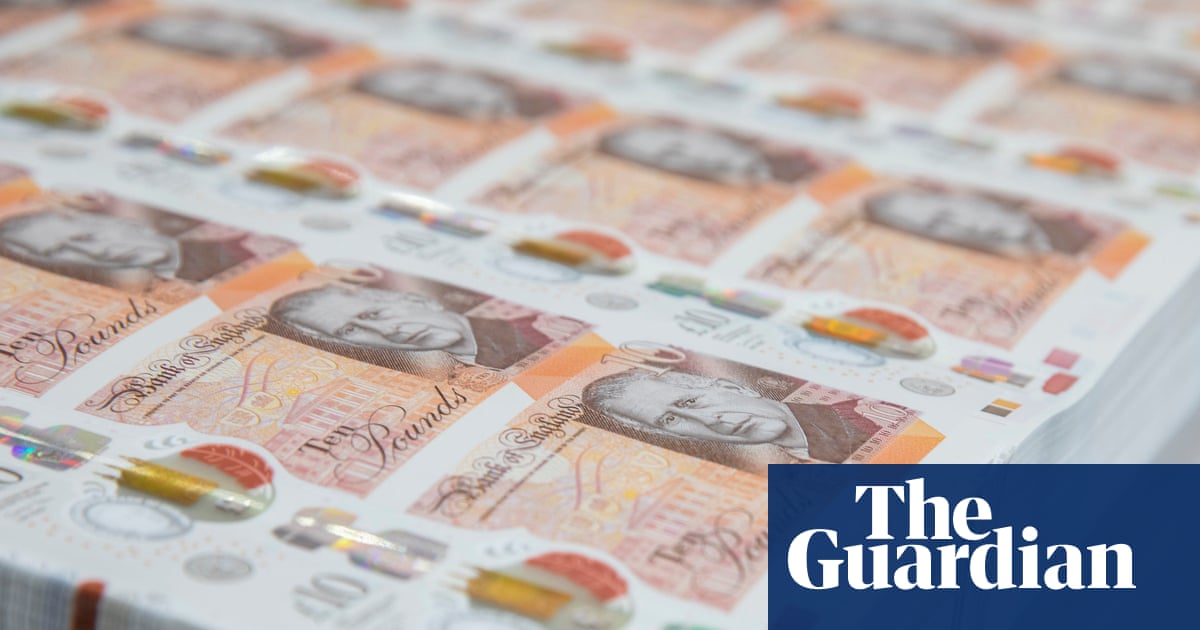
The central bank held interest rates at 3.75% on Thursday but surprised markets with a shake-up of its quantitative tightening programme, including a plan to sell £146bn in gilts back to the Treasury.

The Bank of England's interest rate decisions ripple through mortgage, loan, and savings rates for millions of consumers.
Official figures show consumer prices climbed to a five-month high in August, driven by rising motor fuel costs and factory gate prices, as the Bank of England prepares to announce its latest interest rate decision.

The increase, reported by CNBC, comes just hours before the Bank of England is due to announce its latest monetary policy decision.

Office for National Statistics data show consumer price inflation increased in August, driven by soaring motor fuel and transport costs linked to the Iran war, intensifying pressure on households ahead of a Bank of England rate decision.
Rising energy prices linked to the Iran war push inflation above 3%, prompting warnings ahead of next month's budget and a Bank of England rate decision.
Factory gate prices also climbed in August, driven by higher crude oil and petrol costs, according to figures cited in reporting on the UK economy.
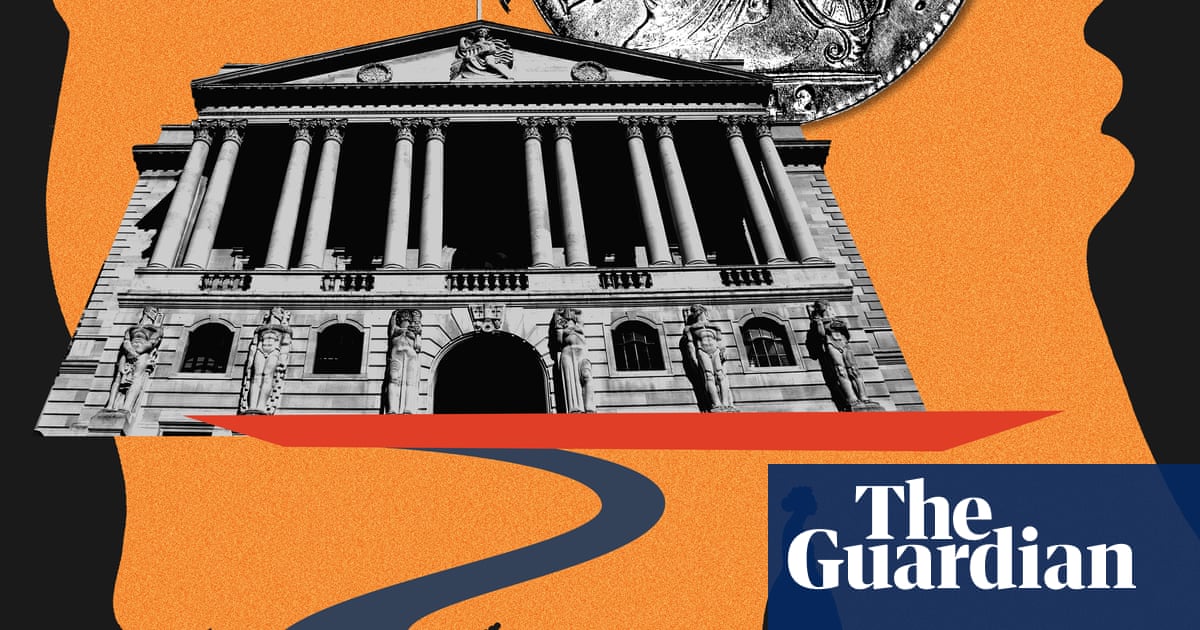
New historical research indicates the Bank of England and Britain's broader financial system had extensive links to transatlantic slave trafficking, with dozens of the bank's founding subscribers and directors identified as investors in the trade.
An opinion piece in The Guardian argues that the Bank of England's bond-selling programme has blurred the boundary between monetary and fiscal policy, leaving ministers liable for costs they cannot control.
Healey is being asked to push the central bank to reduce gilt sales that economists say have cost billions in extra borrowing costs.
Official figures show wage growth easing as the Bank of England weighs its next move amid a fresh cost-of-living squeeze
Official data shows earnings growth easing amid a cost-of-living squeeze linked to the Iran war, complicating the Bank of England's coming interest rate decision.

The British pound has emerged as a standout performer among G10 currencies this year, but a more cautious Bank of England and an upcoming budget could challenge its momentum, according to a CNBC report.

In a letter to The Guardian, Professor Costas Milas argues that the current rise in UK bond yields presents a complex challenge for the Bank of England ahead of its September interest rate decision.