Shadow Chancellor Signals Plan to End TUC Presence on Bank of England Court
Andrew Griffith says trade union representation on the Bank's oversight body could undermine its reputation for financial discipline, as he also acknowledges shortcomings in the Making Tax Digital programme.
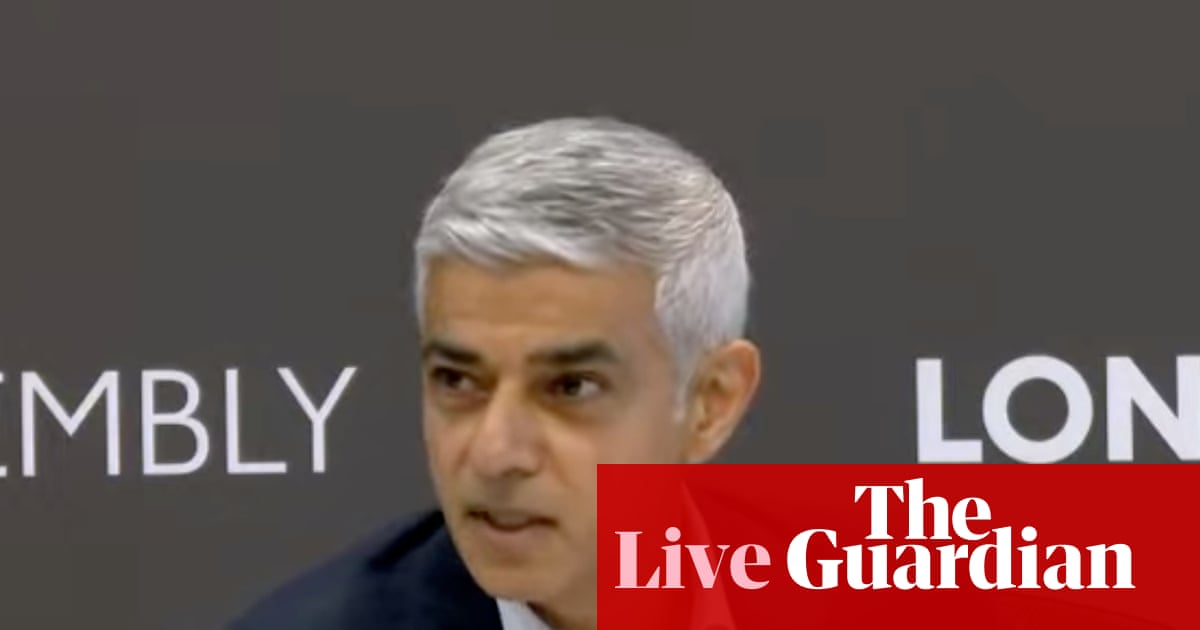
The shadow chancellor, Andrew Griffith, has indicated the Conservative Party would consider removing trade union representation from the court of directors of the Bank of England, describing the practice as a holdover from the 1970s.
Speaking on Wednesday, Griffith argued that having figures from the Trades Union Congress (TUC) on the Bank's oversight body could hinder the institution's "reputation for financial discipline," according to remarks reported during a live political briefing covered by The Guardian.
The court of directors is the Bank of England's governing body, responsible for overseeing its administration and the management of its resources, separate from the Monetary Policy Committee which sets interest rates.
Griffith did not set out a detailed timeline or full policy for how such a change might be implemented, but framed the current arrangement as outdated and inconsistent with the Bank's mandate for financial credibility.
During the same appearance, Griffith took questions from journalists, including on the government's Making Tax Digital programme, which requires businesses and individuals to keep digital records and submit returns using compatible software.
Asked whether the previous Conservative government had erred in introducing the scheme, Griffith said the criticism amounted to "an admission that despite [good] intentions, the execution of that has left a lot to be desired."
He added, drawing on his background in business before entering Parliament, that "the law that we pass the most often is the law of unintended consequences," citing Making Tax Digital as an example. Griffith has called on the current government to pause the rollout of the programme.
The comments came as part of a wider set of exchanges covered in an ongoing live политика briefing from The Guardian, which also touched on other developments in UK politics that day.
Sources
- Tories suggest they would scrap ‘1970s’ tradition of having TUC figures on Bank of England court – UK politics live — The Guardian — World
EGazette summarizes reporting from multiple sources; follow the links for the originals.
Related articles
Albanese launches Australia's bid for UN Security Council seat, names former Murdoch aide as New York consul general
Prime Minister Anthony Albanese announced Australia's formal candidacy for a two-year term on the UN Security Council in 2029–2030, concurrent with appointing Siobhan McKenna, a former News Corp broadcasting executive, as consul general to New York.
In Germany, Friedrich Merz's CDU suffers historic defeat in Eastern state
For the first time since 1949, the Christian Democratic Union has fallen below the 5% threshold in a regional election, the minimum required to gain seats in the local parliament.

Australian Opposition Defends Fuel Excise Cut Plan Amid Cost-of-Living Debate
Shadow energy minister Dan Tehan says the Coalition's proposed 50% fuel excise reduction when oil exceeds US$100 per barrel is a sensible measure to address cost pressures.

CDU Wins Just 4.9% in Mecklenburg-Western Pomerania, Election Body Says
The state election commission reported a sharp drop in support for Chancellor Friedrich Merz's party in the northeastern German state

United Russia Leads Preliminary Vote Count With Half of Ballots Processed
Russia's Central Election Commission reports early results showing the ruling party ahead, with the Communist Party in second place, according to TASS.
United Russia Leads Duma Election With Over 41% of Vote Counted
Russia's Central Election Commission reports early returns showing the ruling party ahead, followed by four other parties clearing the threshold for seats
Comments
Loading comments…