Oil prices gain over 1% after Trump rejects Iranian Hormuz proposal
Crude climbed Monday after the US president turned down an Iranian plan aimed at ending the conflict and reopening the strategic strait.

Crude climbed Monday after the US president turned down an Iranian plan aimed at ending the conflict and reopening the strategic strait.

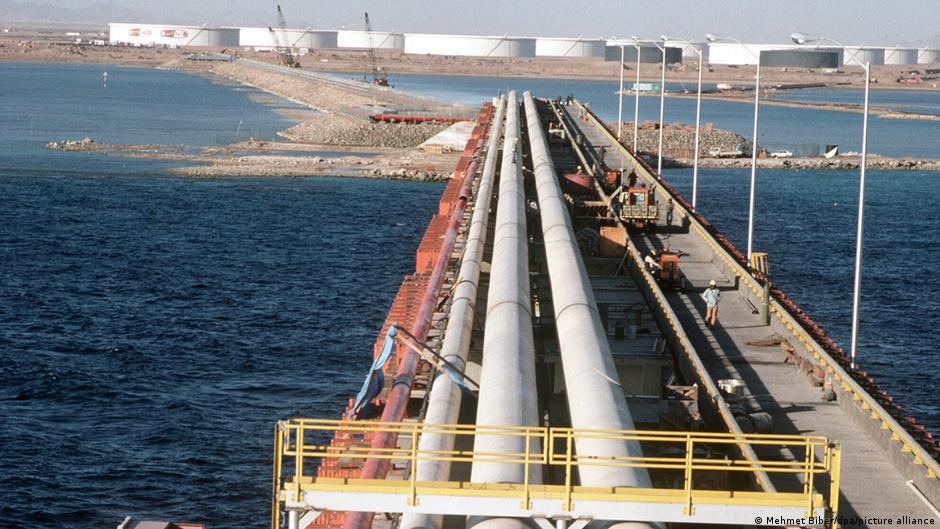
Shipping data and satellite imagery reveal resumption of loading operations following pipeline shutdown caused by earlier attacks.
The European Union's energy commissioner warns that reliance on imported energy leaves the bloc vulnerable to global price swings.
A report from SANA (Syria) sets out the main available details, with claims kept attributed to their sources.
A report from Mehr News (Iran) sets out the main available details, with claims kept attributed to their sources.
A report from Anadolu Agency (Turkey) sets out the main available details, with claims kept attributed to their sources.
A report from CNBC — Top News sets out the main available details, with claims kept attributed to their sources.
A report from Al Jazeera — All sets out the main available details, with claims kept attributed to their sources.
A report from CNBC — Top News sets out the main available details, with claims kept attributed to their sources.

Crude oil shipments from major Middle East producers climbed sharply in September, with Saudi Arabia's exports nearly doubling, Reuters data show.

Foreign Minister Abbas Araghchi says Tehran is willing to reopen the strait if Washington takes specific steps conveyed through intermediaries.

The US president said a record amount of oil moved through the strategic waterway overnight, though he did not give a specific figure, according to TASS.
Iran is seeking alternative export routes for its oil as the US blockades its southern ports, according to Al Jazeera.
The US president said he turned down an Iranian proposal to reopen the strait within a week and resume nuclear talks in exchange for lifting the US naval blockade.
A Guardian investigation finds the US-Venezuela oil agreement, reached after the seizure of President Nicolás Maduro, confronts significant obstacles to implementation.
The US had not publicly responded by Saturday to Iran's proposal on the strategic waterway, though reports indicate Trump rejected it amid a monthslong standoff.

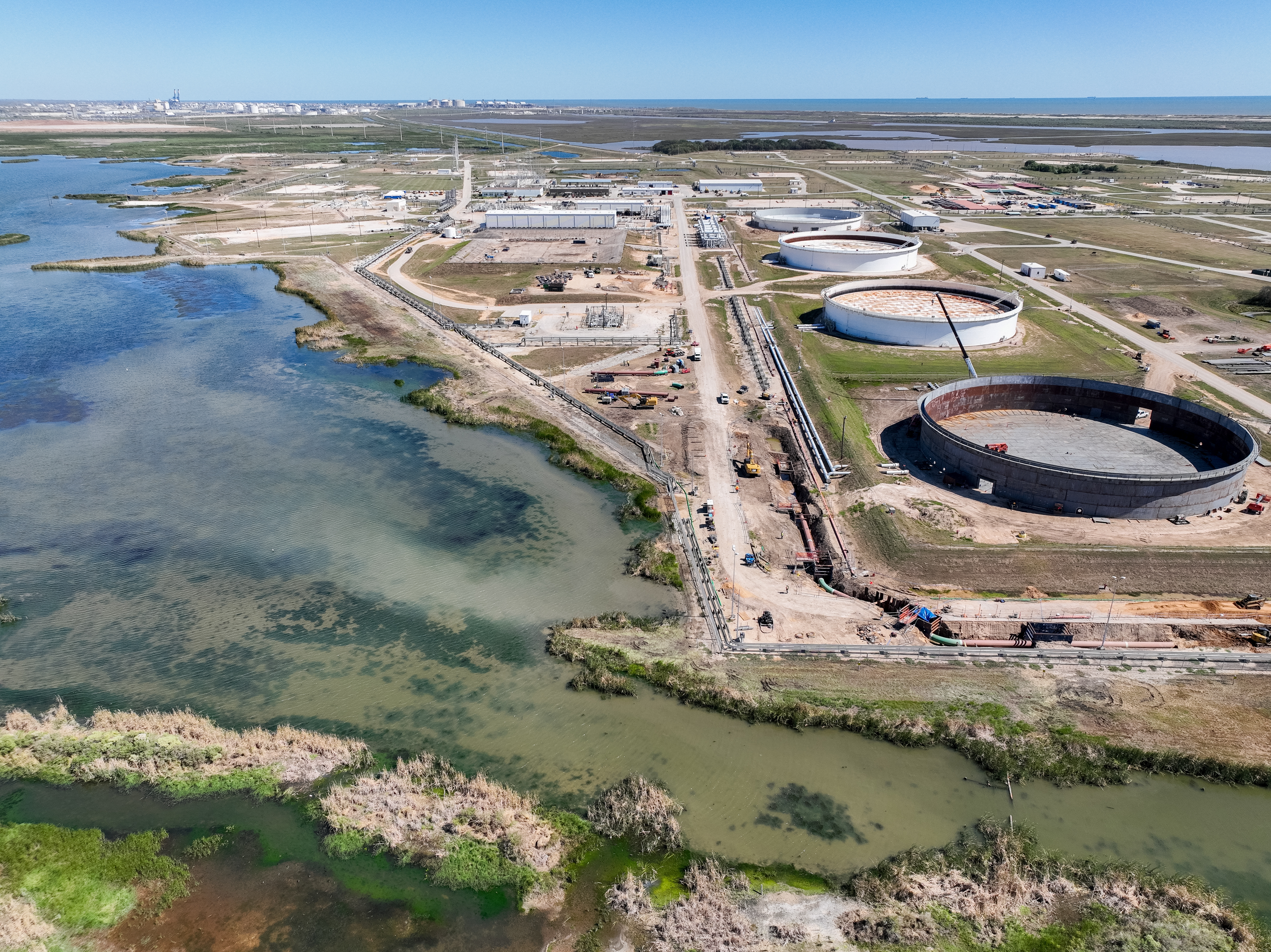
The US has drawn down its emergency oil reserve to help ease gasoline prices following the war with Iran, raising questions about how it will be refilled.

Russian Ambassador Denis Alipov said Moscow can meet India's oil needs and pointed to longstanding cooperation in nuclear energy and petrochemicals.

A commentary published by Al Jazeera argues that rising demand for Libyan hydrocarbons could benefit the country only if it adopts a new economic strategy.
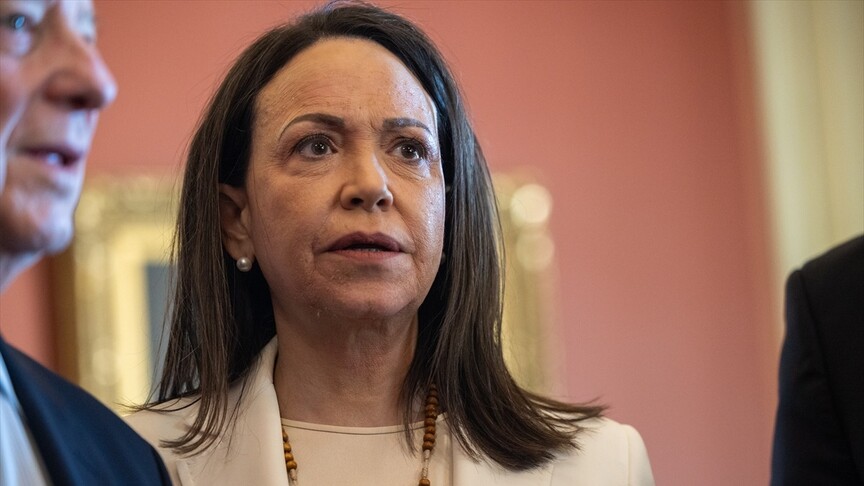
Maria Corina Machado has been barred from returning to Venezuela even after the United States recognized an interim government and announced major oil agreements.