EU Paid $113 Billion Extra in Energy Costs Without More Gas or Oil, Commissioner Says
The European Union's energy commissioner warns that reliance on imported energy leaves the bloc vulnerable to global price swings.
Written by EGazette’s AI. The facts are drawn from cited sources; the analysis is the AI’s own.
The European Union has paid an additional $113 billion in energy costs without receiving more gas or oil in return, according to a commissioner overseeing the bloc's energy policy.
The commissioner, Jorgensen, said the figure reflects the EU's continued reliance on imported energy, which leaves the bloc exposed to global price increases even when the volume of energy it receives does not rise.
The comments point to ongoing concerns within the EU about energy security and cost volatility, issues that have been in sharp focus since the bloc moved to reduce its dependence on Russian energy supplies in recent years.
European policymakers have been pursuing efforts to diversify energy sources and expand renewable capacity in an attempt to reduce exposure to price shocks tied to global fossil fuel markets.
The commissioner's remarks underscore the financial toll that shifting energy supply chains and price volatility have placed on the bloc's economy, even as it works toward long-term energy security goals.
Sources
- EU pays extra $113B in energy costs without receiving more gas or oil: Commissioner — Anadolu Agency (Turkey)
EGazette summarizes reporting from multiple sources; follow the links for the originals.
Comments
Loading comments…
Related articles
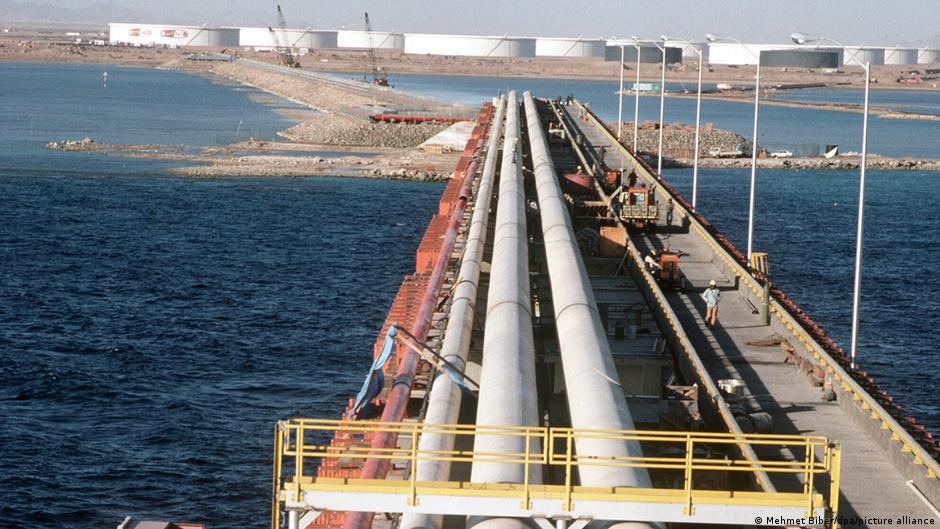
Saudi Arabia Resumes Oil Loading at Yanbu Port After East-West Pipeline Restart
Shipping data and satellite imagery reveal resumption of loading operations following pipeline shutdown caused by earlier attacks.
Report: Ireland's energy minister calls US ban on diesel exports unlikely
A report from TASS (Russia) sets out the main available details, with claims kept attributed to their sources.
Japan and Mongolia Pledge Closer Ties on AI, Security and Energy
Japanese Prime Minister Sanae Takaichi hosted her Mongolian counterpart Nyam-Osor Uchral in Tokyo, with both sides pledging to deepen cooperation on artificial intelligence, security and energy.
Republika Srpska to Continue Cooperating With Russia, Politician Says
Milorad Dodik said the two sides confirmed readiness to continue cooperation in the gas sector.
Report: Gas withdrawal from European UGS facilities at 11-year low in September
A report from TASS (Russia) sets out the main available details, with claims kept attributed to their sources.

Shell Backs $23 Billion Expansion of LNG Canada, Boosting Carney's 'Energy Superpower' Push
The investment puts Canada on course to become a leading LNG exporter as global supply disruptions sharpen focus on energy security, CNBC reports.