UK Celebrities' Fight Against AI Copyright Changes Offers Lessons for Australia
Advocates say high-profile involvement from artists and musicians was key to pushing back against AI firms' push for freer use of creative work in the UK.

A culture piece in The Guardian examines the growing pattern of producers turning newly public-domain properties, from Winnie-the-Pooh to Bambi, into low-budget horror movies.

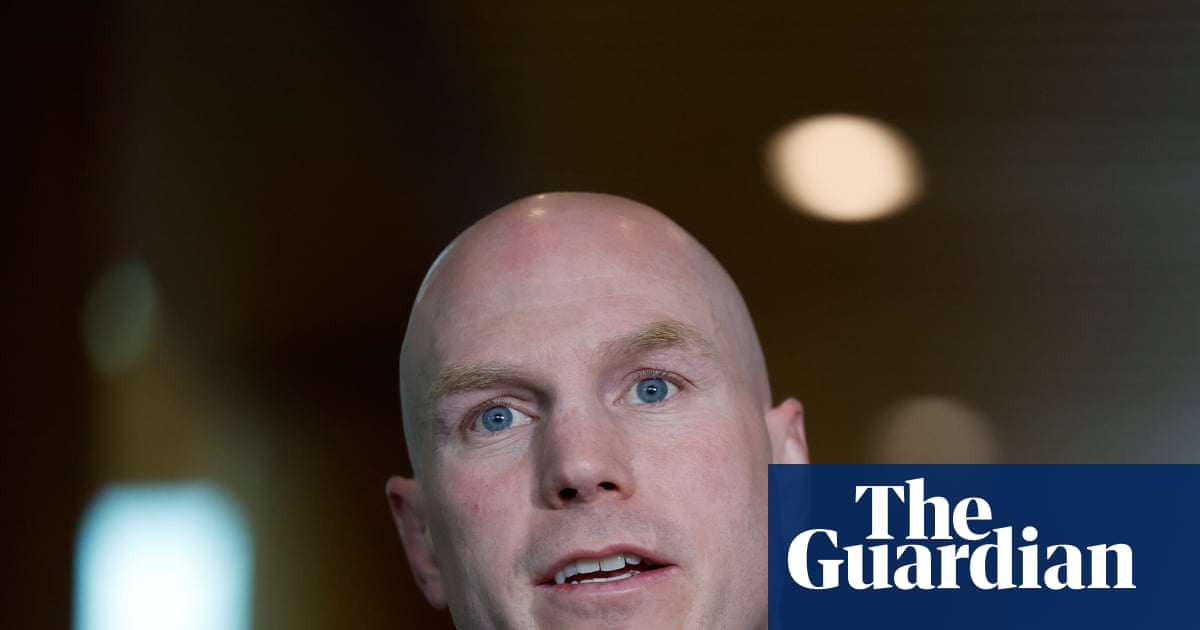
Independent Senator David Pocock says a proposed compromise allowing AI companies default access to Australian creatives' work would 'throw creatives under the bus,' as OpenAI executives meet with government ministers.
Internal Microsoft and OpenAI memos, cited in newly unsealed court filings, reportedly flag concerns that artificial intelligence poses an "existential threat" to news publishers.

Internal Microsoft and OpenAI emails show concern that AI model training on unlicensed content could create a "doom loop" for news organizations.

Proposed legislation would let copyright holders seek court orders forcing internet providers, domain services and VPNs to block foreign piracy websites, according to a report by Ars Technica.

Independent senator says any move by the Albanese government to ease copyright rules for AI firms would disadvantage Australian creatives, as OpenAI officials meet with ministers

Proposals would give AI firms default access to Australian creatives' works, critics say, following OpenAI meetings with Labor ministers.

The White House pulled a Tetris-style browser game called 'Build The Wall' after the Tetris Company raised copyright concerns, according to BBC Technology.

An online arcade-style game resembling Tetris was taken down from a White House-linked platform after the Tetris Company said it takes copyright infringement 'very seriously,' according to TechCrunch.

The two news outlets allege OpenAI used their journalism without permission to train AI models and that ChatGPT sometimes reproduces passages from their reporting.
AI music company Suno introduced a new model, Suno v6, that it says is trained only on licensed music, as the company faces multiple copyright lawsuits, according to TechCrunch.
The two news organizations join a growing list of publishers alleging their journalism was used without permission to train artificial intelligence systems.

A segment on BBC's Tech Life programme describes scammers demanding money from Instagram users by falsely accusing them of copyright infringement.

Instagram users report losing money or facing account suspension as scammers file fake copyright claims and Meta struggles to identify fraudulent reports, according to the BBC.

Authors say publishers and literary agents appear to be claiming a disproportionate share of payments from a settlement with AI company Anthropic, according to TechCrunch.