Republican Bill Would Require ISPs, DNS Providers to Block Piracy Sites
Proposed legislation would let copyright holders seek court orders forcing internet providers, domain services and VPNs to block foreign piracy websites, according to a report by Ars Technica.

A bill introduced by a Republican lawmaker would require internet service providers, domain name system (DNS) providers, and virtual private network (VPN) services to block access to foreign websites accused of piracy, according to a report published by Ars Technica.
According to the report, the legislation is designed to give copyright holders a streamlined legal pathway to obtain court orders compelling these internet infrastructure companies to cut off access to sites that host or facilitate access to pirated content originating outside the United States.
Ars Technica's report indicates the bill would extend blocking obligations beyond traditional internet service providers to include DNS providers, which translate website names into the numerical addresses computers use to locate them online, as well as VPN services, which are commonly used by internet users to mask their location and access content or route around geographic restrictions.
The report describes the measure as aimed at foreign piracy sites, suggesting the legislation is intended to address websites based outside U.S. jurisdiction that current copyright enforcement tools have struggled to reach.
Details on the bill's sponsor, its full text, and the specific mechanisms by which rightsholders would seek and obtain blocking orders were not fully outlined in the available reporting. It was not immediately clear from the report what penalties, if any, providers would face for noncompliance, or how the legislation would address concerns that have historically been raised about similar site-blocking proposals, including their potential impact on free expression and legitimate internet traffic.
Past attempts at similar legislation, such as the Stop Online Piracy Act (SOPA) and PROTECT IP Act (PIPA) more than a decade ago, faced significant public and industry opposition over concerns about censorship and technical feasibility before being shelved. It was not stated in the available reporting whether the new bill has drawn similar responses from technology companies, civil liberties groups, or other stakeholders.
Ars Technica's report did not specify a timeline for when the bill might be voted on or brought before Congress for further consideration.
Sources
EGazette summarizes reporting from multiple sources; follow the links for the originals.
Related articles
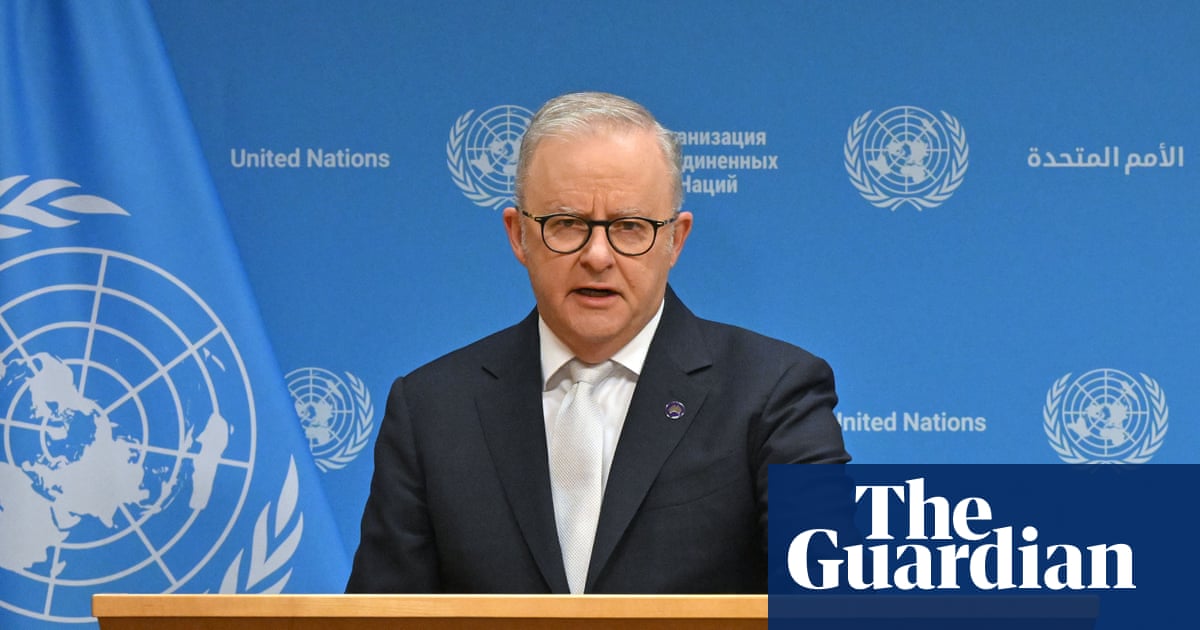
Albanese launches Australia's bid for UN Security Council seat, names former Murdoch aide as New York consul general
Prime Minister Anthony Albanese announced Australia's formal candidacy for a two-year term on the UN Security Council in 2029–2030, concurrent with appointing Siobhan McKenna, a former News Corp broadcasting executive, as consul general to New York.

In Germany, Friedrich Merz's CDU suffers historic defeat in Eastern state
For the first time since 1949, the Christian Democratic Union has fallen below the 5% threshold in a regional election, the minimum required to gain seats in the local parliament.

Australian Opposition Defends Fuel Excise Cut Plan Amid Cost-of-Living Debate
Shadow energy minister Dan Tehan says the Coalition's proposed 50% fuel excise reduction when oil exceeds US$100 per barrel is a sensible measure to address cost pressures.

CDU Wins Just 4.9% in Mecklenburg-Western Pomerania, Election Body Says
The state election commission reported a sharp drop in support for Chancellor Friedrich Merz's party in the northeastern German state

United Russia Leads Preliminary Vote Count With Half of Ballots Processed
Russia's Central Election Commission reports early results showing the ruling party ahead, with the Communist Party in second place, according to TASS.
United Russia Leads Duma Election With Over 41% of Vote Counted
Russia's Central Election Commission reports early returns showing the ruling party ahead, followed by four other parties clearing the threshold for seats
Comments
Loading comments…