World Bank sees growth in Europe and Central Asia slowing to 2.2% in 2026
Higher energy costs, global uncertainty and weaker trading partners are weighing on the region's outlook.
Written by EGazette’s AI. The facts are drawn from cited sources; the analysis is the AI’s own.
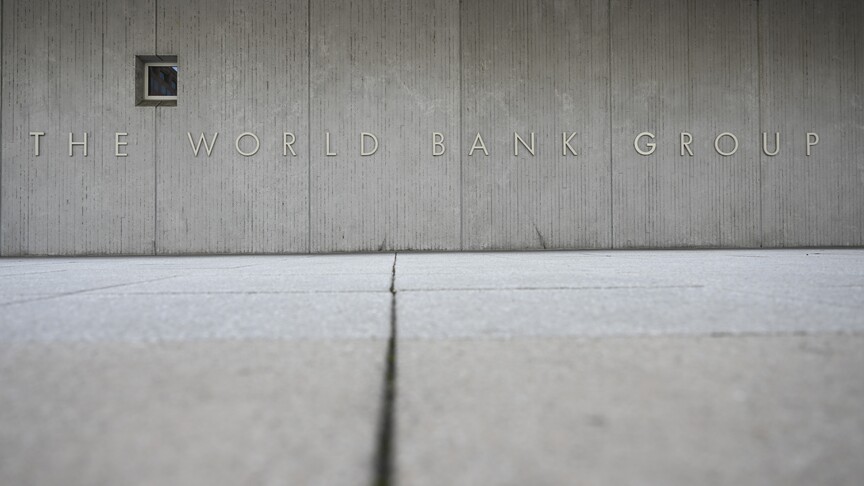
The World Bank expects economic growth across Europe and Central Asia to slow to 2.2% in 2026, citing a combination of higher energy costs, broader global economic uncertainty and softer demand from the region's trading partners.
The projection marks a downgrade in the pace of expansion for a region that includes a mix of European Union member states and economies across Central Asia, many of which remain sensitive to swings in energy prices and external trade conditions.
Rising energy costs have been a persistent drag on economic activity in parts of the region, affecting both household spending power and the cost base of energy-intensive industries. At the same time, uncertainty in the global economy, combined with slower growth among major trading partners, has reduced demand for exports from the region.
The World Bank's forecast reflects a broader pattern seen in several of its recent regional outlooks, in which external pressures continue to temper growth prospects even as individual economies show pockets of resilience.
Sources
- World Bank expects growth in Europe, Central Asia to slow to 2.2% in 2026 — Anadolu Agency (Turkey)
EGazette summarizes reporting from multiple sources; follow the links for the originals.
Comments
Loading comments…
Related articles

High diesel prices may add 'another squeeze' on consumers, economist says
The effects of rising diesel costs are less visible to households than increases at the gasoline pump.

Russian Investment Envoy Says Europe Needs Russian Energy, Citing Rising Gas Prices
A senior Russian official said Europe cannot do without Russian energy supplies, responding to a social media post about climbing European gas prices.

Gazprom's CEO predicts a difficult autumn-winter season for Europe's gas supply
The Russian state gas giant says European underground storage levels remain below previous significant lows, according to TASS.

Trump says Europe agreed to release 'massive amount' of diesel reserves
The US president says European allies agreed to tap emergency diesel stockpiles amid rising fuel prices.
Latvian President Asks Incumbent Prime Minister to Begin Forming Next Government
The move follows the United List's strong showing in the recent election, with talks underway that could secure a 58-seat parliamentary majority.

British War-Game Show Simulating Russian Attack Draws Nuclear Warning from Moscow
The program has fueled discussion over whether Europe is preparing for a wider war with Russia, according to Al Jazeera.