What's been driving Hawaii's lava fountains?
Researchers say the ground was expanding by half a meter a day before the fountaining began.
Written by EGazette’s AI. The facts are drawn from cited sources; the analysis is the AI’s own.
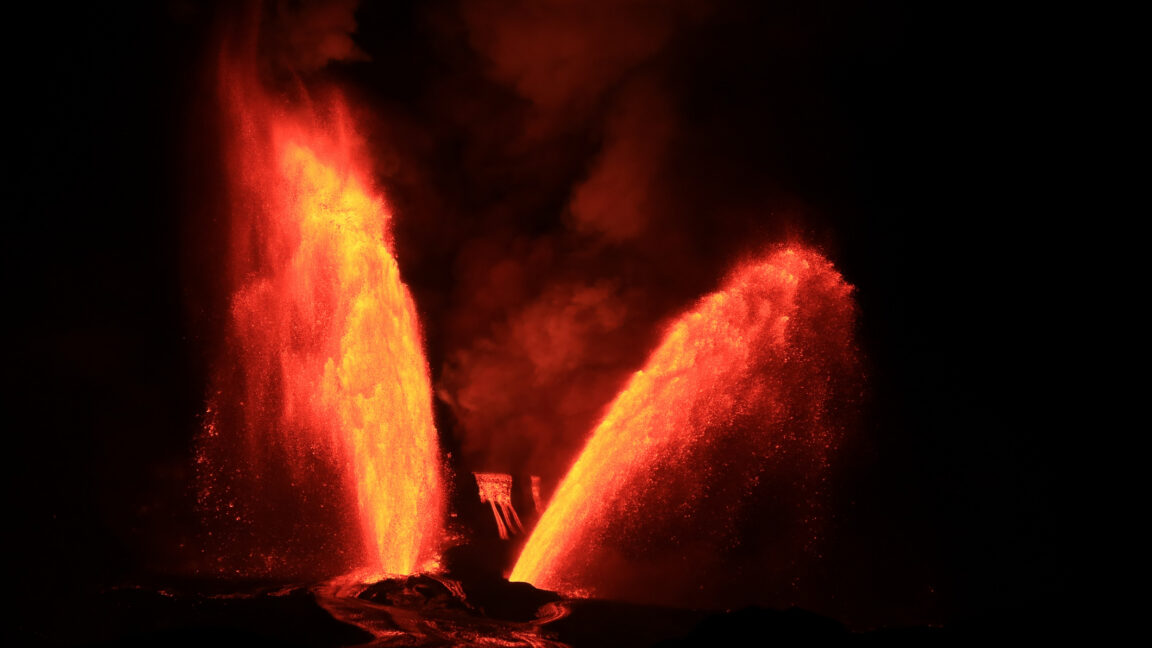
Scientists studying recent volcanic activity in Hawaii have been examining what lies behind a series of dramatic lava fountains, looking in particular at ground movement recorded in the lead-up to the eruptions.
According to researchers, the ground in the area was expanding by roughly half a meter a day before the lava fountains began, a striking rate of deformation that points to significant pressure building up beneath the surface ahead of the eruptive activity.
Such rapid ground expansion is typically associated with the movement of magma toward the surface, as rising molten rock pushes against surrounding rock formations and causes the ground above to swell measurably in a short period.
Hawaii's volcanoes are among the most closely monitored in the world, with researchers tracking ground deformation, gas emissions and seismic activity to better understand and anticipate eruptive behavior, including the kind of lava fountaining that has drawn attention in this case.
The half-meter-a-day expansion figure offers researchers a concrete data point for understanding the buildup that preceded the fountains, and is likely to inform ongoing efforts to monitor the volcano for signs of further activity.
Sources
- What's been driving Hawaii's lava fountains? — Ars Technica
EGazette summarizes reporting from multiple sources; follow the links for the originals.
Comments
Loading comments…
Related articles
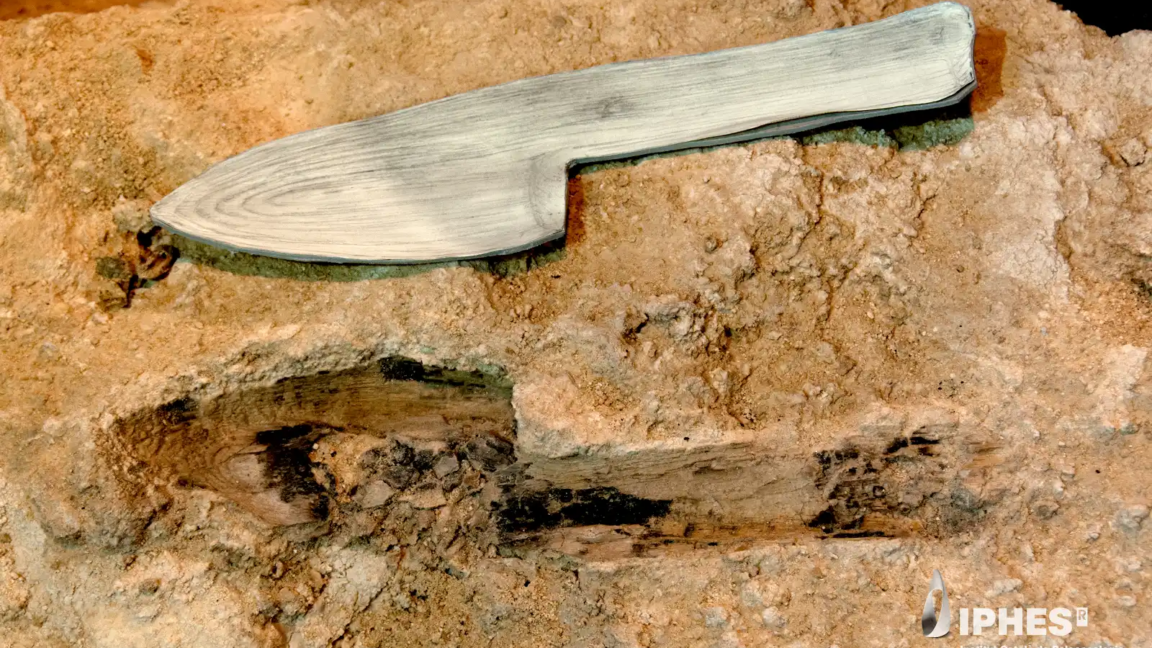
Neanderthal wooden tools found preserved in stone in Spain
Researchers say dissolved rock precipitated around the ancient wooden tools, protecting them from decay.
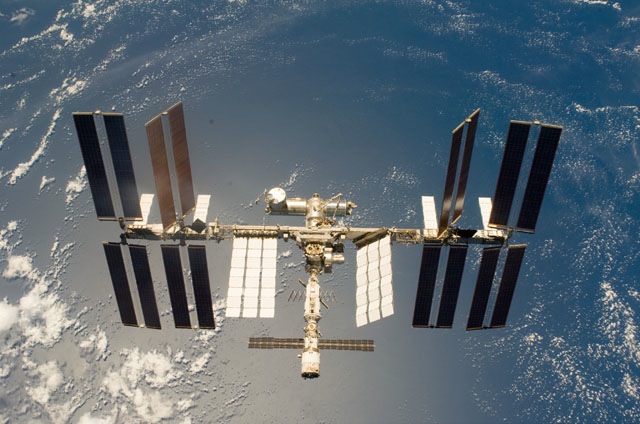
NASA issues long-awaited call to industry for private space stations
"We've made it clear that NASA will never give up its presence in low Earth orbit," the agency said.

Solar Tiles Were Pitched as the Future of Roofing — So Why Haven't They Caught On?
Solar tiles were once touted as an attractive alternative to traditional solar panels, but years later they remain a niche choice for homeowners.

El Niño and the polar vortex: will the UK see snow this winter?
A developing El Niño pattern could shape the UK's autumn and winter weather, though forecasters say cold, snowy conditions are not guaranteed.
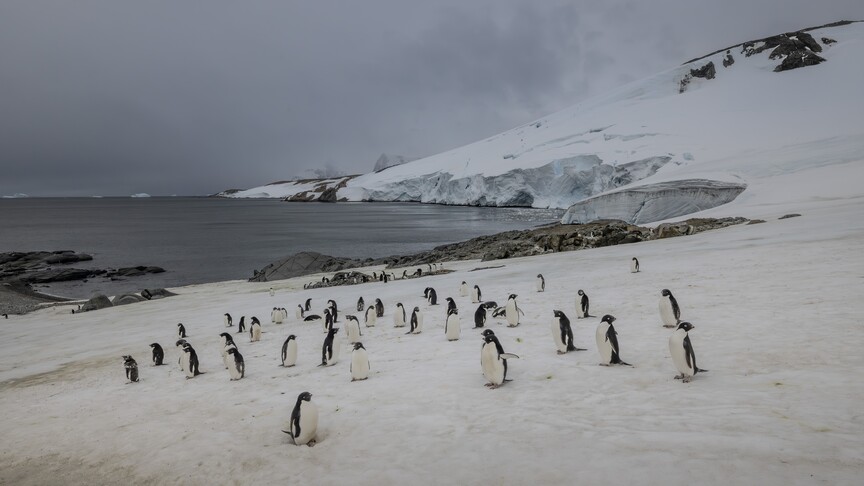
World's largest penguin colony shrinks by nearly two-thirds amid climate change, study finds
The chinstrap penguin population on Zavodovski Island near Antarctica fell by more than 680,000 between 2011 and 2025, researchers say.

Margaret Hamilton, Software Pioneer Behind Apollo Moon Mission, Dies at 90
The MIT computer scientist, who led development of the Apollo guidance software and received the Presidential Medal of Freedom, died on September 30, the university announced.