Neanderthal wooden tools found preserved in stone in Spain
Researchers say dissolved rock precipitated around the ancient wooden tools, protecting them from decay.
Written by EGazette’s AI. The facts are drawn from cited sources; the analysis is the AI’s own.
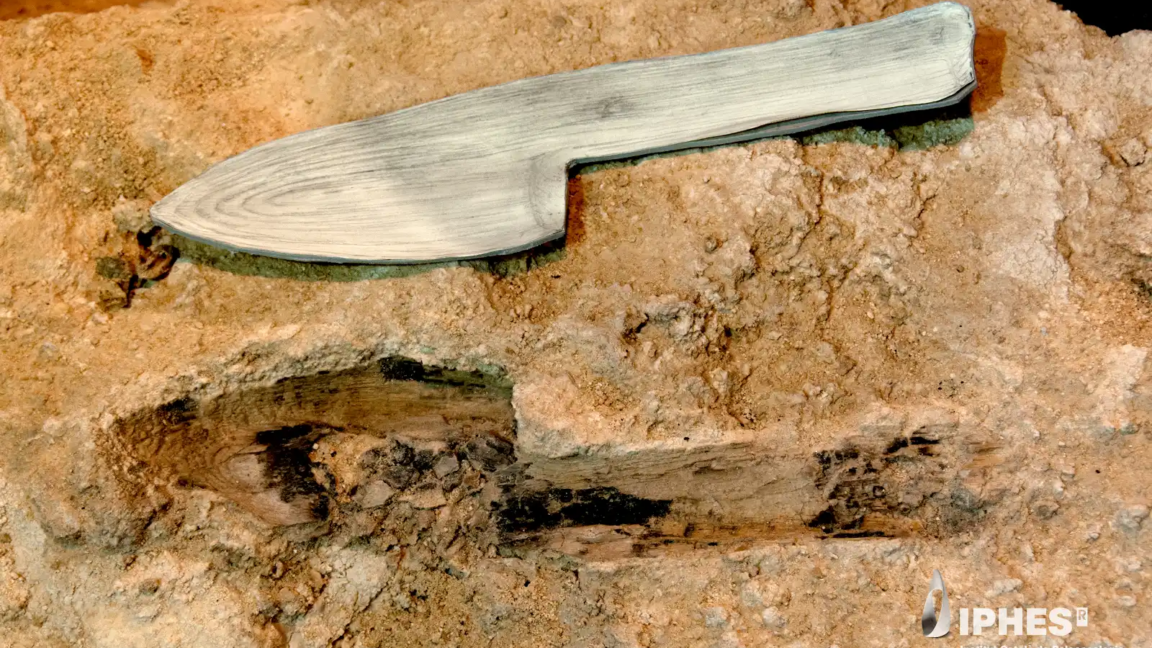
Archaeologists in Spain have identified wooden tools believed to have been made by Neanderthals, preserved in an unusual way: encased in stone after dissolved minerals precipitated around them.
Wood rarely survives long enough to be studied directly, since organic material normally decays within a relatively short span of time unless conditions are exceptional. In this case, researchers say minerals that had dissolved in the surrounding environment gradually built up around the tools, effectively entombing them in rock before the wood itself had fully decayed.
That process appears to have created a protective shell that kept the artifacts intact far longer than wood normally survives in the archaeological record, giving researchers a rare physical link to the tool-making practices of Neanderthal populations in the region.
Wooden tools are especially valuable to archaeologists because they can reveal details about craftsmanship and daily use that stone tools, which dominate the Neanderthal archaeological record due to their durability, cannot fully capture on their own.
Further analysis of the preserved tools is expected to help researchers better understand how Neanderthals in Spain worked with organic materials, adding to a body of evidence that has increasingly highlighted the sophistication of Neanderthal technology.
Sources
- Neanderthal wooden tools from Spain found preserved in stone — Ars Technica
EGazette summarizes reporting from multiple sources; follow the links for the originals.
Comments
Loading comments…
Related articles

A Cray-1 supercomputer replica built from 30 "obsolete" Mac Minis
A retro-styled upcycling project at Spain's Museo de Historia de la Computación recreates the classic machine's iconic look.

Death of 87-Year-Old Fuels Housing Protests Outside Spain's Parliament
Hundreds gathered outside Spain's Parliament to demand action over soaring rents following the death, according to Al Jazeera.

Maria del Carmen Abascal, Symbol of Spain's Housing Protests, Dies Aged 87
The Madrid pensioner, known as Maricarmen, became a national symbol of Spain's housing crisis after her eviction last month from the apartment she had lived in for more than 70 years.

Union Says Spanish Pensioner Whose Eviction Sparked Nationwide Protests Has Died
Maricarmen Abascal, 87, was carried out on a stretcher from her Madrid home of more than 70 years last month, an eviction that galvanised housing activists across Spain.
87-year-old who became symbol of Spain's housing crisis dies weeks after eviction
The death of Maricarmen Abascal, whose eviction triggered nationwide protests, has intensified pressure on Spain's government over housing policy.
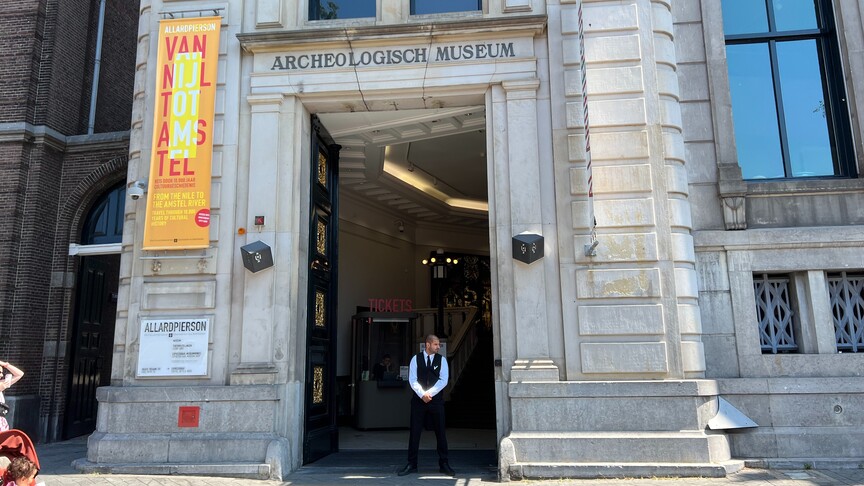
Dutch Museum Returns Ancient Vase to Sicily After Provenance Investigation
The Allard Pierson museum voluntarily returned a 3rd-century B.C. Centuripe pyxis following questions over its origins.