What Can the US Learn From Other Countries on Protecting Journalists?
A discussion examines how press-freedom protections in other countries compare with safeguards for journalists in the United States.

Press freedom and the safety of journalists have become an increasingly prominent topic of international comparison, with observers examining how different countries approach the legal and practical protection of reporters. The question of what the United States might learn from other nations' approaches has drawn renewed attention amid ongoing debate over press safety.
Around the world, approaches to protecting journalists vary widely. Some countries have enshrined specific legal protections for reporters, including shield laws that allow journalists to protect the confidentiality of sources, as well as dedicated mechanisms for investigating threats or violence against members of the press. Other nations have focused on building institutional norms, such as accreditation systems and press associations that provide legal support to journalists facing intimidation or legal threats.
Comparing frameworks
Advocates for stronger journalist protections in the US point to examples elsewhere as potential models, including specific statutory protections, faster and more consistent investigation of threats and attacks on reporters, and clearer separation between government authority and press oversight bodies. They argue that formalising these protections could provide more consistent safeguards than the current patchwork of state-level shield laws and constitutional protections under the First Amendment.
Others caution that direct comparisons between countries can be difficult given differing legal traditions, media landscapes, and the scale and diversity of the US press corps. What works within a smaller or more centralised media system, they note, may not translate directly to the decentralised and highly varied US media environment, which includes everything from major national outlets to small local newsrooms.
The discussion comes amid broader international concern about press freedom, with press-freedom organisations regularly tracking incidents of harassment, legal intimidation, and violence against journalists in numerous countries, including the United States. Proponents of reform argue that examining protections used elsewhere, and adapting the strongest elements to the US legal system, could help address gaps identified in recent years, while acknowledging that any changes would need to navigate the country's distinct constitutional and legal framework for press freedom.
Sources
- The Global Story — BBC Politics
EGazette summarizes reporting from multiple sources; follow the links for the originals.
Related articles

Federal judge blocks Trump administration's White House access ban on CNN, MS NOW and Politico
A Trump-nominated judge ruled that the news outlets are likely to succeed in their claim that they were denied due process when barred from White House access, Al Jazeera reports.
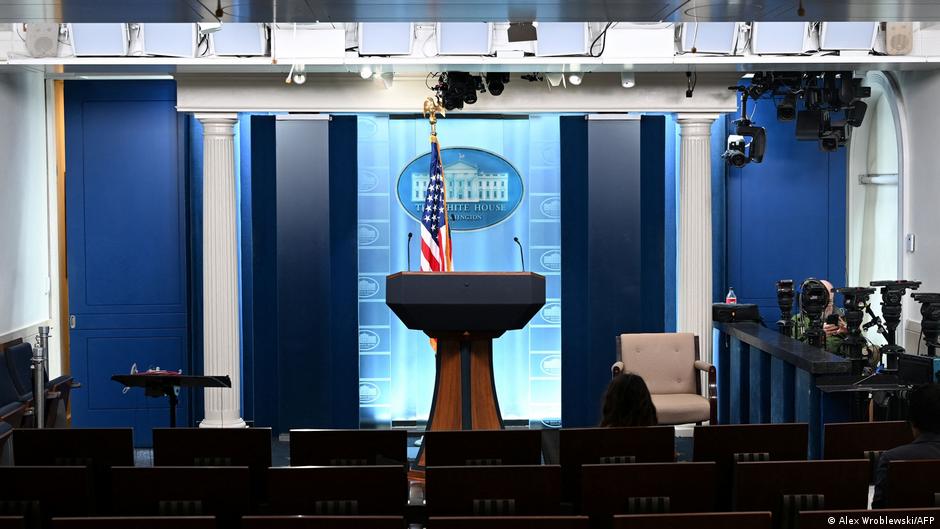
US judge orders White House to restore press access for CNN, MS NOW and Politico
A federal judge has ruled that President Trump must reverse his ban on three major news outlets from the White House premises.
Federal judge rejects White House security argument, orders press access restored
A US federal judge has dismissed national security justifications for barring CNN, MS NOW and Politico from the White House, ordering access reinstated.
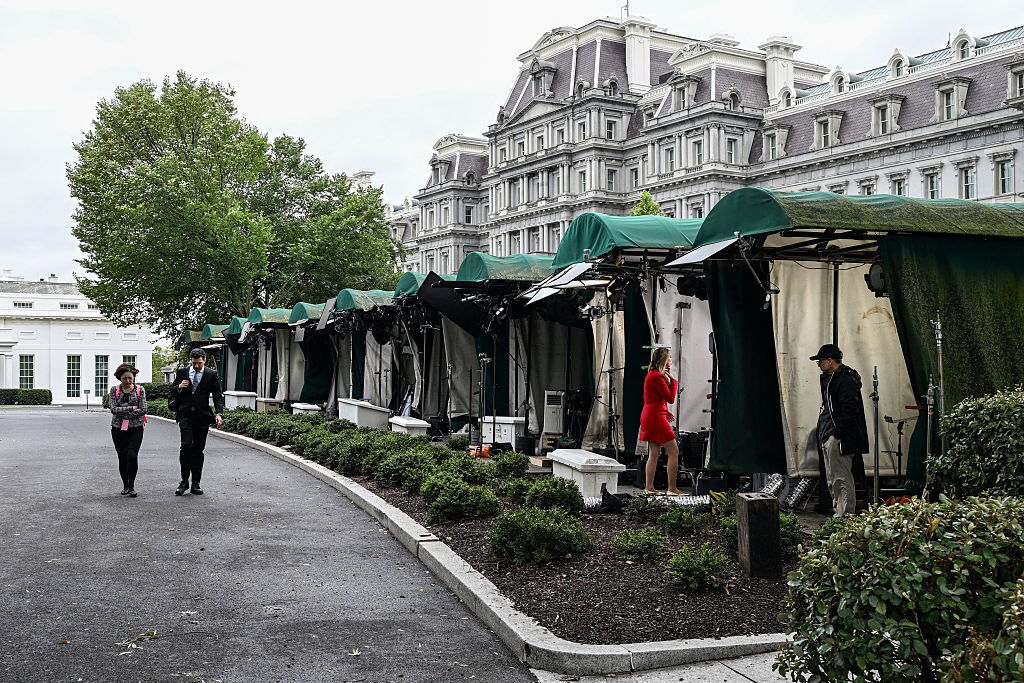
Federal judge temporarily restores journalists' White House access
A court order requires the Trump administration to reinstate CNN, MS NOW and Politico's access to White House events after the outlets were banned by the president.
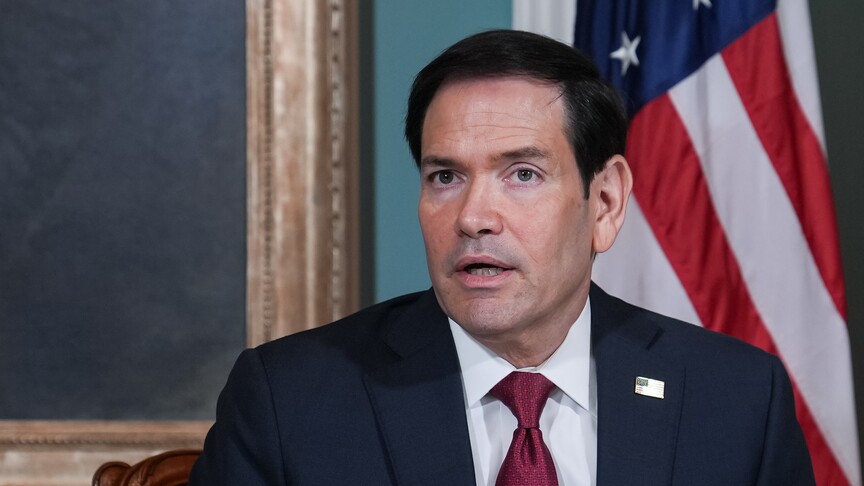
Rubio says Iran is misreading US politics by waiting out midterm elections
The US secretary of state said a November midterm result would not stop President Trump from imposing sanctions or using military force against Tehran.

Trump hosts Xi at White House for high-profile US-China summit
The two leaders met for a state summit expected to emphasize symbolism and stable ties, even as deep rivalry between Washington and Beijing continues.
Comments
Loading comments…