'Watermelons': The Green Party Faction Blending Environmentalism With Socialist Politics
Author Russell Warfield argues that the 'green outside, red inside' strain of politics associated with Green Party leader Zack Polanski reflects a long-running current within the party rather than something entirely new.
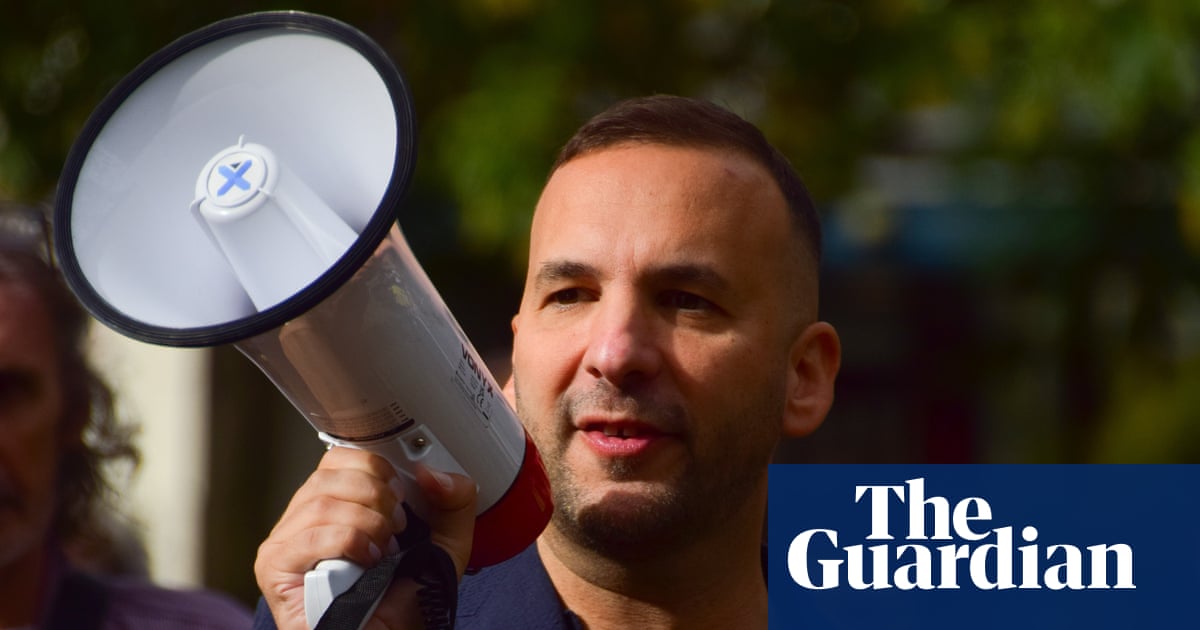
A new analysis by author Russell Warfield examines the political current within the Green Party of England and Wales sometimes referred to as "watermelons" — members described as green on the outside and red on the inside, combining environmentalist positions with socialist ideology.
Warfield argues that this strain of politics is not a recent development but has evolved within the party over time, gaining renewed visibility since Zack Polanski became the party's leader.
According to the analysis, roughly 160,000 people have joined the Green Party since Polanski took over as leader, with most of these new members believed to fall into this "watermelon" category, drawn by a leftist political space they see as having been vacated by the Labour Party.
The framing highlights an ongoing debate within Green politics more broadly about the relationship between environmentalism and economic policy, with some members prioritizing ecological concerns as a standalone cause and others viewing them as inseparable from broader questions of economic and social justice.
The influx of new members under Polanski's leadership suggests a shift in the party's composition and potentially its political direction, though the longer-term implications for the Green Party's platform and electoral strategy remain to be seen.
Sources
- ‘Watermelons’: Zack Polanski and the rise of the ‘green outside, red inside’ eco-populists — The Guardian — World
EGazette summarizes reporting from multiple sources; follow the links for the originals.
Related articles

Badenoch Registers £8,177 Gift Over Meeting With Murdoch in Greece
News Corp paid for flights and accommodation for the Conservative leader and her husband to travel to Greece for the meeting, the BBC reported.
PM's New Anti-Disinformation Unit Gets Cross-Party Backing, as Farage Calls It an Attack on Free Speech
Nigel Farage criticized the government's new anti-disinformation unit as an attack on free speech, even as the initiative wins cross-party support.
Readers React to Oxfordshire Village's Symbolic Vote to Leave the UK
Letters to The Guardian respond with a mix of amusement and skepticism to news that residents of Piddington voted to leave the UK in protest over a local asylum housing plan.
Guardian Editorial Argues UK Complicity Enables Russian Disinformation
An editorial in The Guardian contends that while Russian disinformation poses a genuine threat, domestic actors and US technology platforms also play a role in amplifying it within the UK.
Readers Suggest the UK Should Draw on Folk Music to Improve Its Eurovision Fortunes
Letters to The Guardian respond to news of a UK parliamentary inquiry into the country's poor Eurovision record, with readers proposing folk music as an untapped resource.
Cartoonist Ben Jennings Depicts Andy Burnham's Meeting With Donald Trump
A new editorial cartoon by Ben Jennings offers a satirical take on Greater Manchester Mayor Andy Burnham's meeting with US President Donald Trump.
Comments
Loading comments…