Warsh Cites Strong Economy, Sticky Inflation and Geopolitical Risks Behind Fed Rate Hike
Analyst Kevin Warsh points to persistent price pressures and global uncertainty as key drivers, as the Fed chair says inflation has been "too high" for "too long"
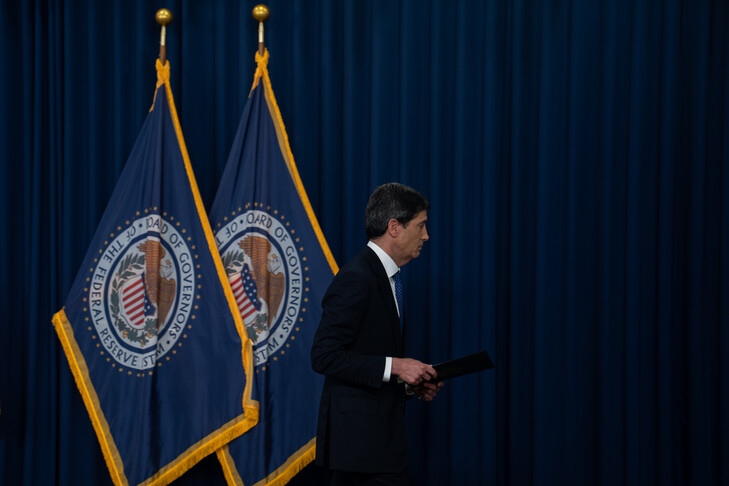
The Federal Reserve's recent decision to raise interest rates was driven by a combination of a resilient U.S. economy, persistently high inflation and heightened geopolitical risks, according to Kevin Warsh, a former Federal Reserve governor, as reported by Anadolu Agency.
Warsh said the central bank's move reflected concerns that inflation has not eased as quickly as policymakers had hoped, despite months of tightening measures aimed at cooling price growth.
According to the report, the Federal Reserve chair stated that inflation has remained "too high" for "too long," adding that summer inflation readings showed little improvement over previous months.
The comments suggest that the central bank continues to view inflation as a primary challenge to the U.S. economy, even as growth indicators remain relatively strong.
Geopolitical risks were also cited as a contributing factor to the Fed's policy stance, though the report did not specify which particular international developments were referenced.
Anadolu Agency's report did not provide additional details on the magnitude of the rate hike or the specific data underlying the inflation assessment.
Sources
- Strong economy, sticky inflation, geopolitical risks drove Fed rate hike: Warsh — Anadolu Agency (Turkey)
EGazette summarizes reporting from multiple sources; follow the links for the originals.
Related articles
Fed Chair Kevin Warsh Wins Unanimous Vote to Raise Interest Rates Amid White House Pressure
The Federal Reserve, led by chair Kevin Warsh, voted unanimously to raise interest rates for the first time in three years, according to a report by The Guardian.
Fed Raises Interest Rates for First Time This Year, NPR Explainer Breaks Down the Mechanics
NPR News reports the Federal Reserve increased its benchmark rate this week, and outlines in a new explainer how the move ripples through the economy.

Stock Market Faces Test From Rate Fears and AI Safety Debate, CNBC Reports
Investors weighed the prospect of a new Federal Reserve rate-hiking cycle alongside growing questions over artificial intelligence safety, according to a CNBC report.
Bank of Japan Raises Interest Rate to 31-Year High Amid Inflation Concerns
The central bank lifted its policy rate by 25 basis points to 1.25% in a split 7-2 vote, citing inflation risks, according to Anadolu Agency.

Japan Raises Interest Rate to 31-Year High Amid Inflation Concerns
The move follows a global trend of central banks tightening policy as high energy prices push up inflation, BBC Business reported.
Bank of Japan Raises Interest Rate to 31-Year High of 1.25%
Central bank cites inflation risks as it lifts benchmark rate from 1 percent, its highest level in three decades
Comments
Loading comments…