Update: The planet Mercury is shrinking far faster than we thought
A report from Scientific American sets out the main available details, with claims kept attributed to their sources.
Scientific American has covered a development concerning “Update: The planet Mercury is shrinking far faster than we thought,” with the available account limited to the facts included in the supplied text.
The available account reports that the planet’s “wrinkles” give scientists a clue into how the world is contracting in size
Any statements, estimates or characterisations remain attributed to the people or organisations identified by the source. The excerpt alone does not provide a complete documentary record or necessarily include responses from every party involved.
Official statements or subsequent reporting may add context as the story develops. For now, this account is confined to information directly supported by the provided headline and excerpt.
Sources
- The planet Mercury is shrinking far faster than we thought — Scientific American
EGazette summarizes reporting from multiple sources; follow the links for the originals.
Related articles

Small undersea volcanoes may trigger outsized tsunamis, new imaging suggests
Post-eruption imaging of the Hunga caldera has provided new details about its collapse, raising questions about tsunami risk from smaller undersea volcanoes.
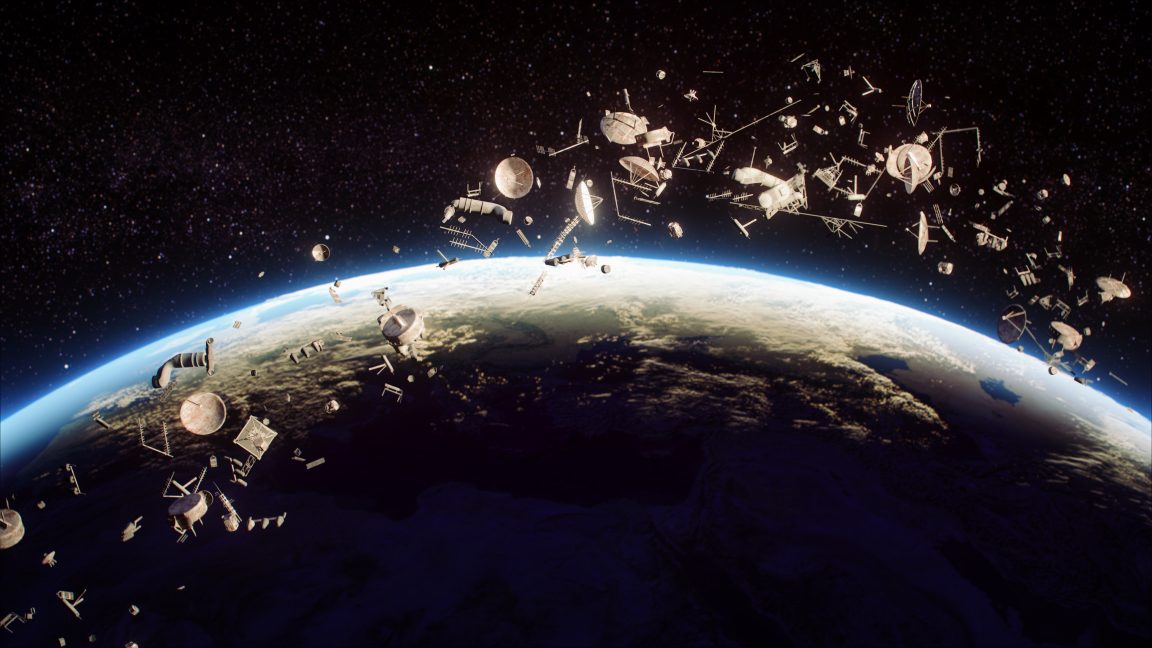
New European report raises alarm over risk of orbital collisions
Experts warn that growing congestion in orbit could make some orbits unusable if left unaddressed.

Report: What you eat today may change your sleep tonight. Study reveals the secret
The Sky News Arabia — Technology report highlights the material on this development, while keeping the allegations attributable to their sources.

In short: Where to live? How the scorching summer forces us to reinvent our relationship with the territory
The report of Le Monde — Une summarizes the main elements available, maintaining the assertions attributed to their sources.
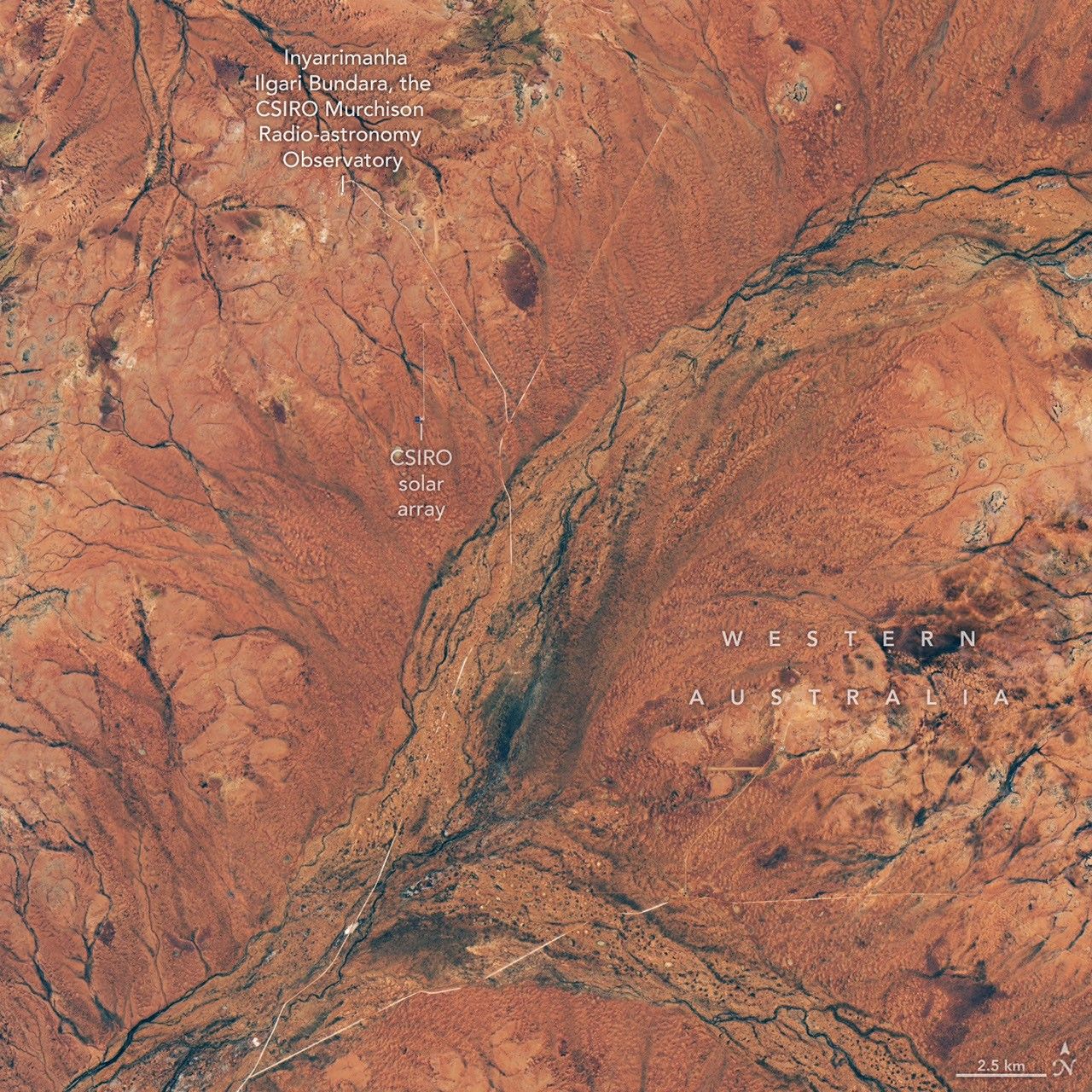
Report: Boom Year for Desert Blooms
A report from NASA Breaking News sets out the main available details, with claims kept attributed to their sources.

Report: APOD: 2026 September 23 – A New Lunar Crater: McGetchin
A report from NASA Breaking News sets out the main available details, with claims kept attributed to their sources.
Comments
Loading comments…