Update: Doom Painting by AK Blakemore review – a dazzling epic of the Peasants’ Revolt
A report from The Guardian — Culture sets out the main available details, with claims kept attributed to their sources.
The Guardian — Culture has covered a development concerning “Update: Doom Painting by AK Blakemore review – a dazzling epic of the Peasants’ Revolt,” with the available account limited to the facts included in the supplied text.
This recklessly ambitious doorstopper follows the 16 days of England’s medieval uprising from a vast array of viewpoints, and in startlingly rich prose AK Blakemore’s third novel tells the story of the Peasants’ Revolt of 1381, when commoners of all classes – not only peasants, but merchants, servants, smugglers, and some local lords and officials – rebelled at the imposition of a poll tax and rampaged through southern England, burning records of debts, killing their oppressors and laying waste to their homes. The report also notes that The book closely follows the events of the rebellion’s 16 days, employing a vast array of points of view, including the young king Richard II, several of his courtiers, dozens of elements of the rebellious Commons, a porpoise and a runaway horse. The title suggests the novel’s portrayal of these events as an inevitable reckoning; a “doom painting” was a picture of the Last Judgment on the wall of a medieval church. As a book of this scope must be, it’s a doorstopper. As any novel by Blakemore is expected to be, it’s dazzlingly rich in lexical glamour, and this is likely to be any reader’s lasting impression of the book. Sometimes it feels as if the author is out to use every word in the English language in a startling, aestheticised, puckish way that expands both the word and the world. The result can be joyously silly. Who else would give us slugs that “blurb their elementary forms from out of the undergrowth to begin a dank and toothless festa ”, or “lunar-brilliantined mud”? But there is also gravity and passion here, especially when she
Any statements, estimates or characterisations remain attributed to the people or organisations identified by the source. The excerpt alone does not provide a complete documentary record or necessarily include responses from every party involved.
Official statements or subsequent reporting may add context as the story develops. For now, this account is confined to information directly supported by the provided headline and excerpt.
Sources
- Doom Painting by AK Blakemore review – a dazzling epic of the Peasants’ Revolt — The Guardian — Culture
EGazette summarizes reporting from multiple sources; follow the links for the originals.
Related articles
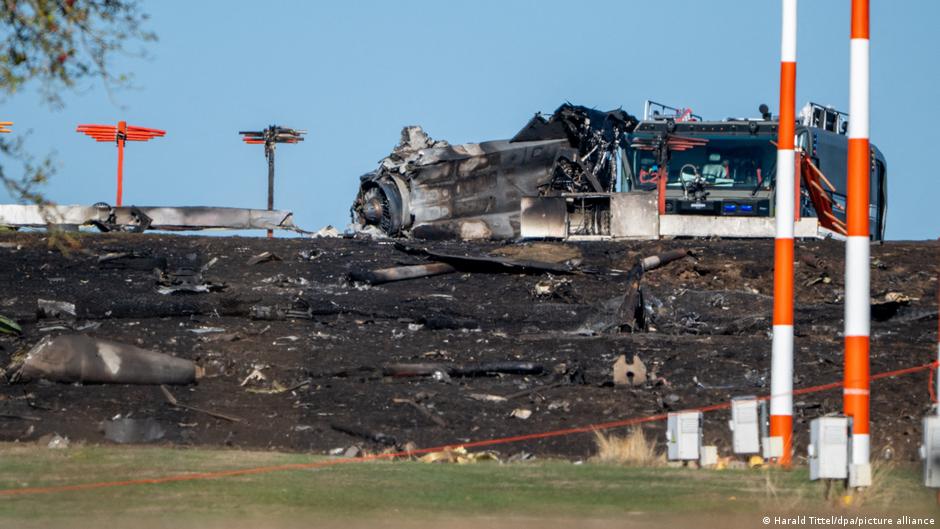
Report: Military aircraft crashes near US air base in Spangdahlem, Germany
A report from Deutsche Welle — English sets out the main available details, with claims kept attributed to their sources.

Report: British jets refuel Saudi fighter jets from the air to repel Houthi attacks
The Deutsche Welle — Arabic report presents the highlights of the available material on this development, while keeping the allegations attributable to their sources.
Report: Spangdahlem: Military aircraft crashes near US air base
A report from Deutsche Welle — English sets out the main available details, with claims kept attributed to their sources.
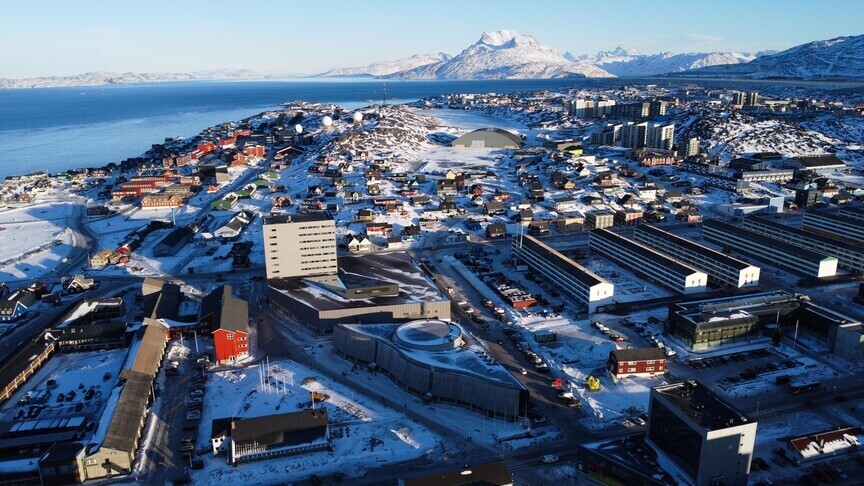
Report: US, Denmark, Greenland sign Arctic security agreement at UN General Assembly
A report from Anadolu Agency (Turkey) sets out the main available details, with claims kept attributed to their sources.

Report: Ukraine to be enabler of EU’s future security architecture – MEP
A report from Ukrinform (Ukraine) sets out the main available details, with claims kept attributed to their sources.

Report: US to expand military presence in Greenland, build two bases — Trump
A report from TASS (Russia) sets out the main available details, with claims kept attributed to their sources.
Comments
Loading comments…