Under Trump's watch, AI executives adopt a code of conduct
Meeting at the White House, leading AI industry figures pledged to regulate themselves through a voluntary code, a move welcomed by the US president as he resists formal restrictions on the sector.
Rédigé par l’IA d’EGazette. Les faits proviennent de sources citées ; l’analyse est celle de l’IA.

Leading figures in the artificial intelligence industry gathered at the White House and pledged to regulate themselves through a new code of conduct, according to France 24. The meeting, held under the watch of President Donald Trump, produced commitments framed as voluntary self-regulation rather than government-imposed rules.
The gathering satisfied Trump, who has opposed forms of regulation he views as capable of slowing the American AI industry's ability to compete internationally, particularly against China, France 24 reported.
Self-regulation as a competitive strategy
The adoption of a voluntary code rather than binding legislation reflects a broader tension in AI policy debates: industry leaders and the current US administration have generally favored approaches that preserve flexibility and speed of development, arguing that heavy-handed rules could cede ground to international competitors, especially China.
Critics of self-regulatory frameworks have historically raised concerns about enforceability, questioning whether voluntary pledges provide sufficient accountability compared with statutory requirements backed by regulatory bodies.
France 24's report did not specify the exact commitments contained in the code of conduct or name every company or executive who took part in the White House meeting.
The event adds to a series of recent moves by the AI industry to shape the terms of its own oversight, at a moment when governments worldwide continue to debate how aggressively to regulate rapidly advancing AI systems.
Sources
- Sous la tutelle de Donald Trump, les patrons de l'IA adoptent un code de bonne conduite — France 24 — Français
EGazette résume des articles de plusieurs sources ; suivez les liens pour les originaux.
Comments
Loading comments…
Articles liés

Trump prône l'autorégulation de l'IA et les avantages des centres de données lors d'une rencontre avec des dirigeants technologiques
Ce déjeuner à la Maison-Blanche avec les plus hauts dirigeants du secteur technologique est intervenu alors que la pression s'intensifie en faveur d'une réglementation plus stricte de l'intelligence artificielle.
OpenAI unveils 'Dots,' an always-on virtual assistant for continuous tasks
The new feature, announced at a conference, echoes rivals' efforts to build AI agents capable of working around the clock on a user's behalf.
Local opposition grows over planned Google data center near Châteauroux, France
Elected officials and a citizens' group say Google's proposed mega data center near the rural French commune has moved forward without adequate transparency.

OpenAI aurait mis de côté ses plans de lancement d'un prochain modèle en raison de préoccupations liées à la sécurité
Selon CNBC, OpenAI a renoncé à lancer un prochain modèle, tandis que les dirigeants d'OpenAI et de son rival Anthropic appellent à un développement plus prudent de l'IA.
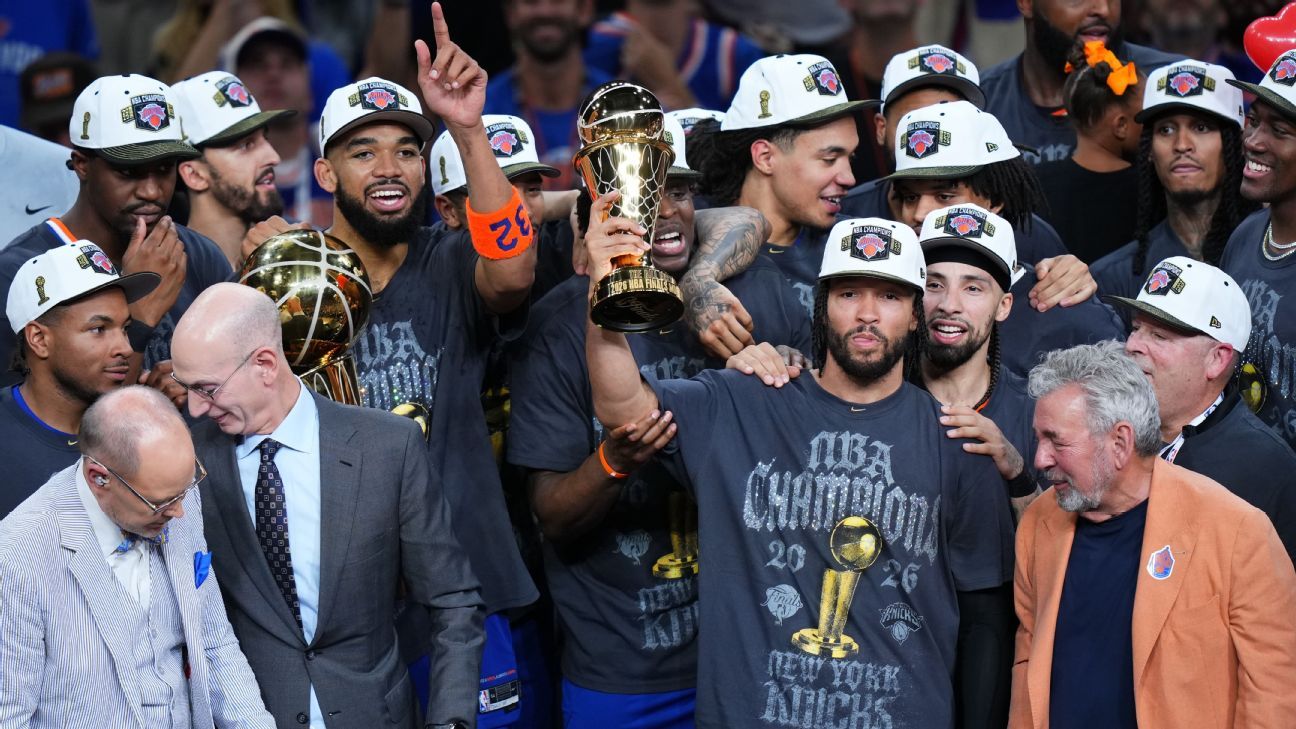
Les Knicks, champions NBA, pèsent encore leur décision sur une visite à la Maison Blanche
Les New York Knicks n'ont pas encore décidé s'ils se rendraient à la Maison Blanche sous la présidence de Donald Trump après avoir remporté le titre NBA.

Rapport : Les comptes Trump procéderont à l'inscription automatique des enfants, pouvant ajouter 60 millions de comptes : Trésor
Un rapport de CNBC — Top News expose les principaux détails disponibles, les affirmations restant attribuées à leurs sources.