UK losing up to £6.5bn a year in EU trade without post-Brexit product deal, IPPR finds
A new IPPR analysis finds the UK is forgoing billions in EU exports each year due to the absence of a mutual recognition agreement on product testing standards, costing an estimated 0.18% of national income.
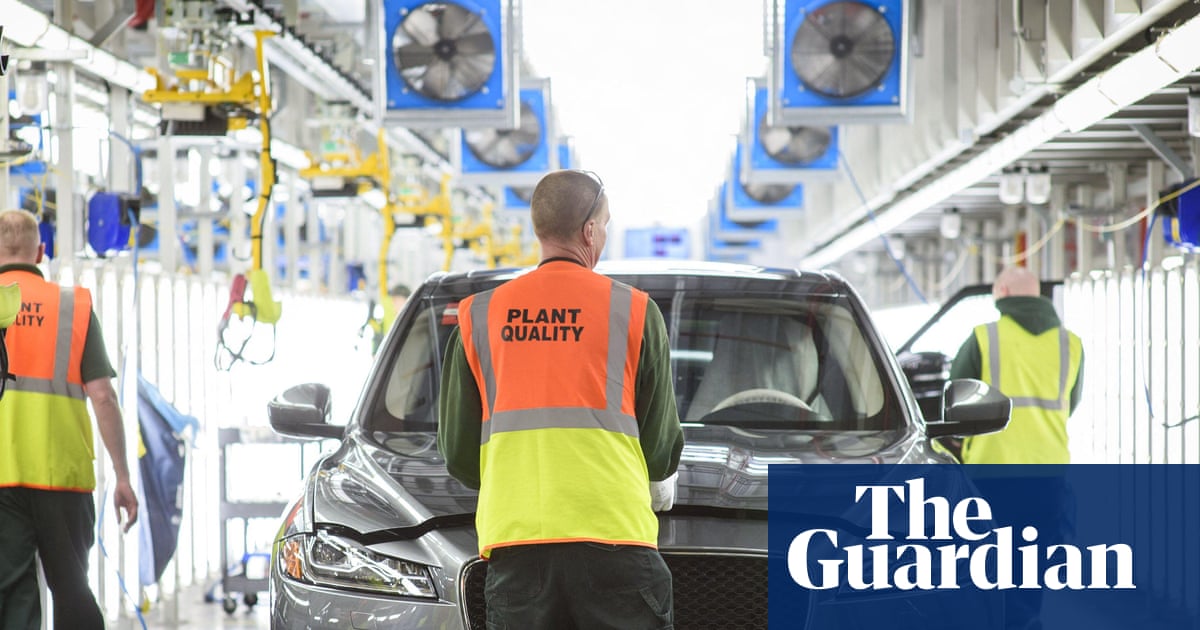
The UK is losing out on as much as £6.5bn a year in exports to the European Union because of the absence of a deal allowing manufacturers to avoid duplicate product testing, according to new research from the IPPR think tank reported by the Guardian.
The analysis found that a failure to align UK and EU testing standards has forced some companies to abandon exporting to the EU altogether or to set up subsidiaries inside the bloc, after successive UK governments failed to secure a mutual recognition agreement. The IPPR estimated the overall cost to the UK economy at around 0.18% of national income.
According to the findings, motor vehicle and parts exports would have been between £2.48bn and £3.42bn higher each year had such an agreement been in place. Electronic exports could have been between £1.17bn and £1.67bn higher, while pharmaceutical exports would have seen an estimated annual uplift of between £740m and £820m.
The IPPR's analysis is the latest in a series of attempts by researchers to quantify the trade costs of Brexit for the UK. The think tank's findings point to testing and certification requirements, rather than tariffs, as a significant ongoing barrier to UK-EU trade in these sectors.
Sources
- UK ‘losing up to £6.5bn a year in EU trade’ without post-Brexit product deal — The Guardian — World
EGazette summarizes reporting from multiple sources; follow the links for the originals.
Related articles
Pakistan's agricultural and other chemical imports rise 9.03% in first two months of FY2027
Imports of agricultural and other chemicals into Pakistan increased by 9.03% in value during July-August compared with the same period last year, official data show.
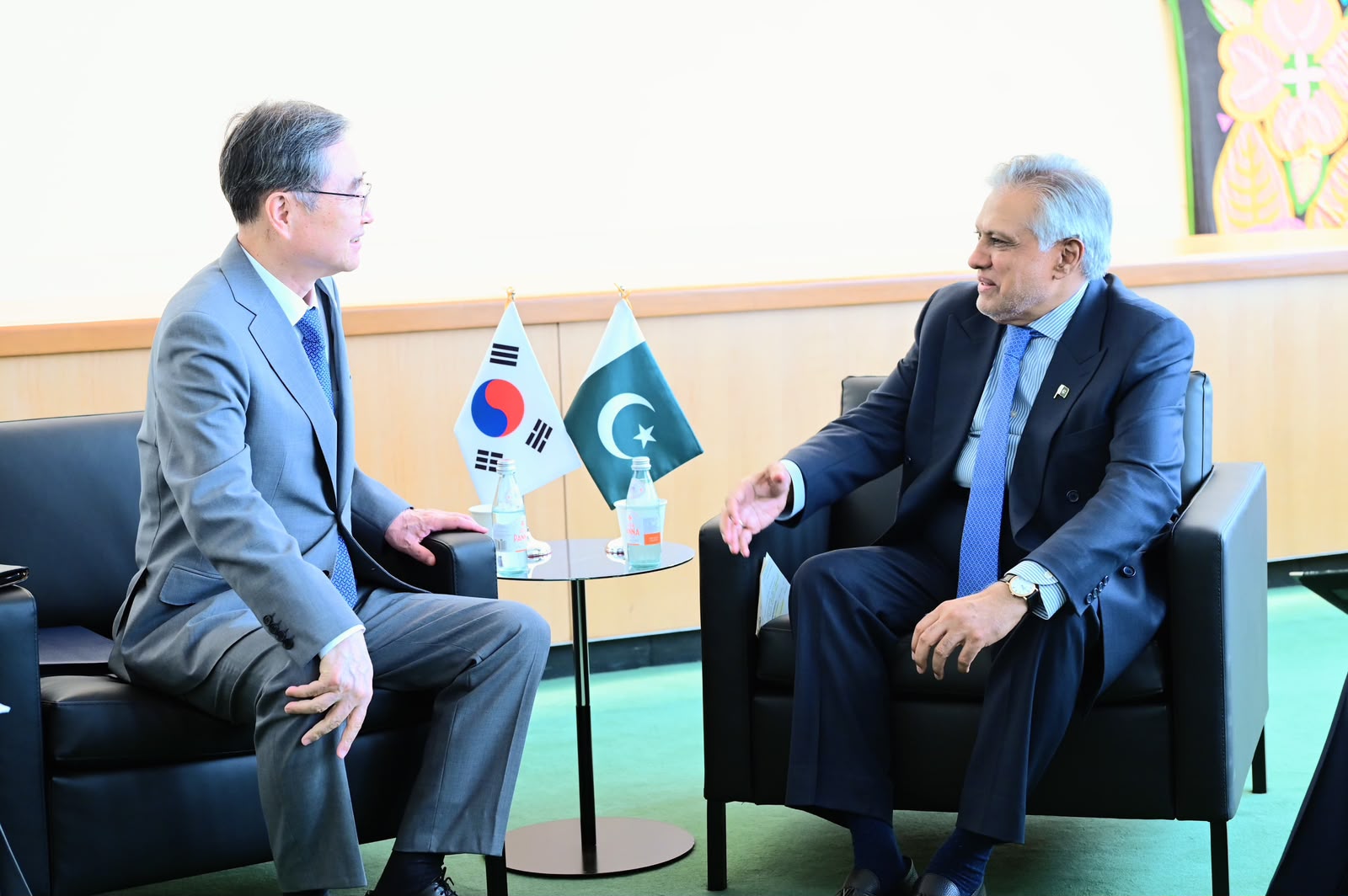
Deputy PM Dar Calls for Expanded Pakistan-Korea Business-to-Business Engagement
Pakistan's deputy prime minister urged greater B2B ties with South Korea, as the Korean foreign minister praised Islamabad's diplomatic role in the region.

UK food banks 'in crisis' as some warn they may have to close
The Trussell Trust says some food banks are having to pay for 30-50% of the food they distribute amid mounting financial strain.
UK Losing Up to £6.5bn a Year in EU Trade Over Mismatched Product Rules, Think Tank Finds
The IPPR estimates that Britain's failure to align product testing standards with the EU has pushed companies to abandon exports or relocate, costing around 0.18% of national income.

US-China trade truce extended two months as Xi begins state visit
Treasury Secretary Bessent said the deal, due to expire in November, now runs to January 10, with more expected from Beijing.

'Proteinflation': Rising Protein Prices Push Some Shoppers to Pay Up to £100 a Bag
Consumers are feeling the financial squeeze as the price of protein products climbs, with some paying as much as £100 for a single bag.
Comments
Loading comments…