UK Losing Up to £6.5bn a Year in EU Trade Over Mismatched Product Rules, Think Tank Finds
The IPPR estimates that Britain's failure to align product testing standards with the EU has pushed companies to abandon exports or relocate, costing around 0.18% of national income.
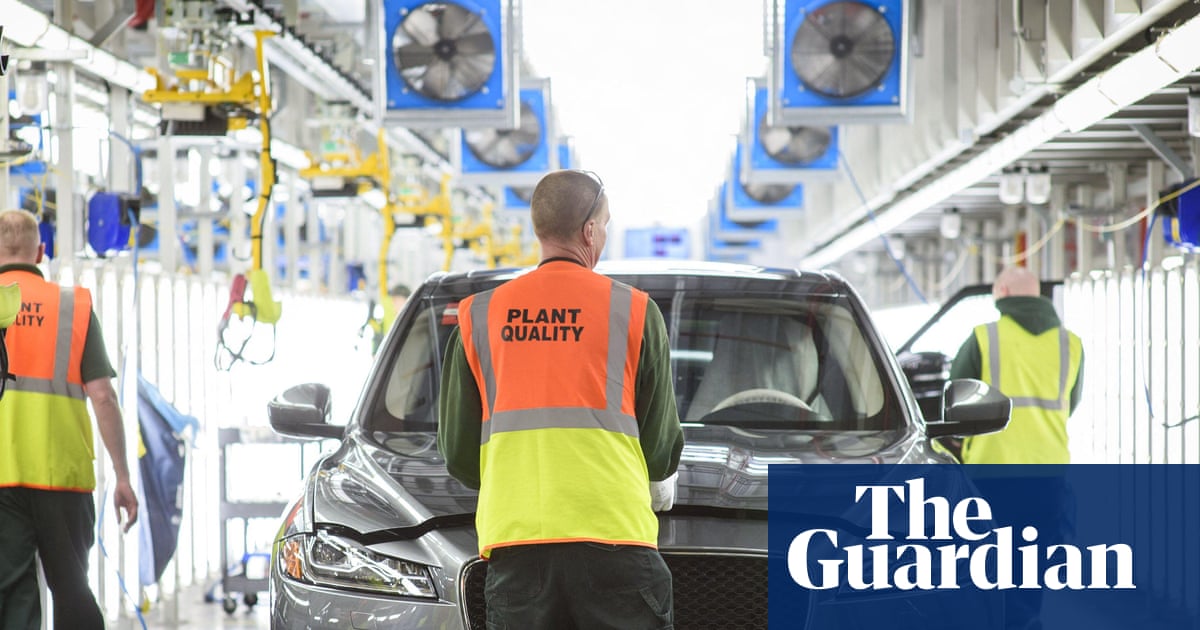
Britain is losing out on as much as £6.5bn a year in exports to the European Union because it lacks a deal with Brussels allowing manufacturers to avoid duplicating product testing, according to new analysis from the IPPR think tank reported by the Guardian.
The report represents the latest attempt to calculate the scale of trade lost with the EU since Brexit, and it finds that many UK companies have either stopped selling into the EU market altogether or set up subsidiaries inside the bloc, in both cases to avoid the administrative burden created by successive governments' failure to secure a mutual recognition agreement on product testing.
The IPPR's estimate puts the annual cost at roughly 0.18% of UK national income. Broken down by sector, the think tank found motor vehicle and parts exports would have been between £2.48bn and £3.42bn higher each year had such a deal been in place, while electronic goods exports could have been between £1.17bn and £1.67bn higher. Pharmaceutical exports, the report estimated, would have seen an annual uplift of between £740m and £820m.
The absence of a mutual recognition agreement means UK-made goods often must undergo separate testing and certification processes to be sold in the EU, even when they already meet equivalent UK standards, adding cost and complexity that the IPPR argues has pushed some firms out of the EU market entirely.
The findings add to a broader body of research examining the economic effects of the UK's departure from the EU single market, as policymakers continue to weigh options for reducing trade frictions with Britain's largest trading partner.
Sources
- UK losing up to £6.5bn a year in EU trade due to mismatched product rules — The Guardian — World
EGazette summarizes reporting from multiple sources; follow the links for the originals.
Related articles
UK losing up to £6.5bn a year in EU trade without post-Brexit product deal, IPPR finds
A new IPPR analysis finds the UK is forgoing billions in EU exports each year due to the absence of a mutual recognition agreement on product testing standards, costing an estimated 0.18% of national income.

Trump Sparks Debate Over Possible Diesel Export Ban
The administration’s suggestion it could restrict diesel exports has drawn backlash from the US oil industry amid efforts to curb energy prices before the midterms.
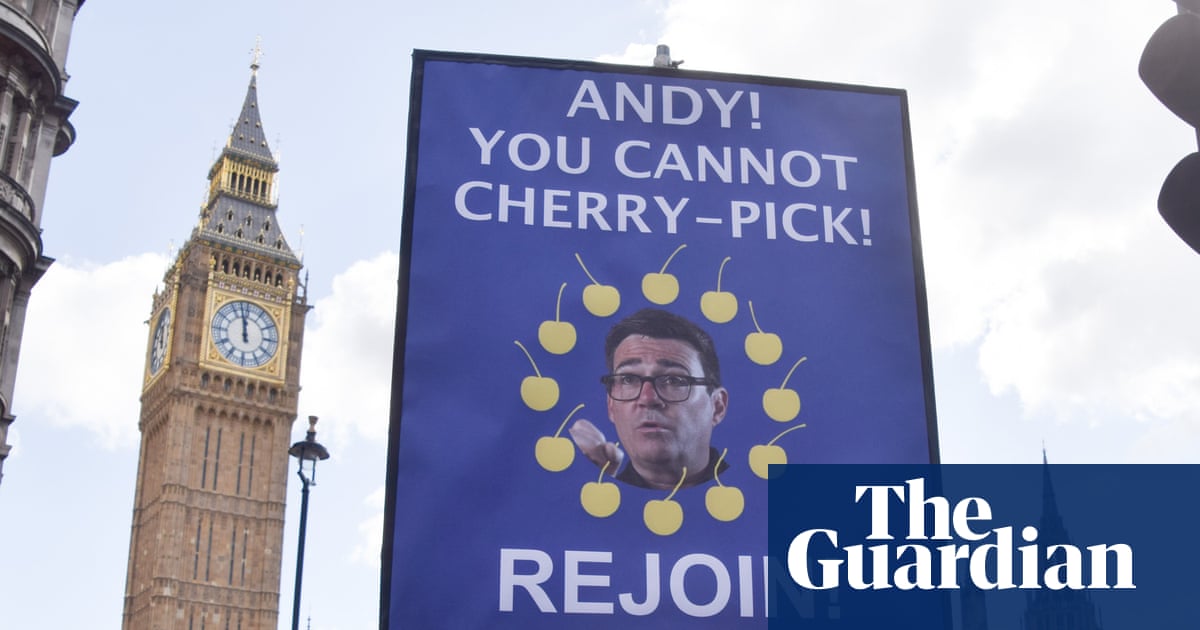
Tony Blair Says Britain Should Work Toward Rejoining EU Within a Decade
The former prime minister's comments add to pressure on Labour leader Andy Burnham to revisit Brexit, as a new poll suggests a pledge to rejoin could boost the party electorally.
EBRD cuts 2026 growth forecast for Russia's economy to 0.5%
The European Bank for Reconstruction and Development has lowered its 2026 growth forecast for Russia by 0.3 percentage points from its previous estimate in June, TASS reports.
Pakistan's agricultural and other chemical imports rise 9.03% in first two months of FY2027
Imports of agricultural and other chemicals into Pakistan increased by 9.03% in value during July-August compared with the same period last year, official data show.
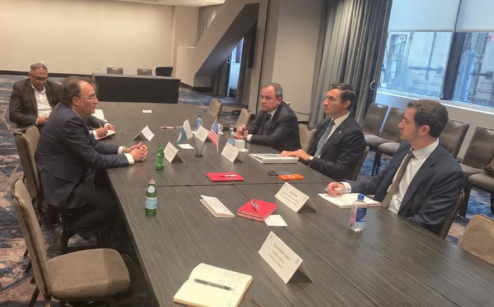
Pakistan's Finance Minister Discusses US Financing for PIA, Refinery Upgrades and Reko Diq
Muhammad Aurangzeb met with US institutions in New York to explore funding options for national aviation, energy and mining projects.
Comments
Loading comments…