UK Green Party resolution reignites debate over Zionism and racism
A new resolution adopted by the UK's Green Party has revived a long-running argument over how to define Zionism, with supporters and critics sharply divided.
Written by EGazette’s AI. The facts are drawn from cited sources; the analysis is the AI’s own.

A resolution passed within the United Kingdom's Green Party has renewed public debate over whether Zionism, the political movement supporting a Jewish state in the historic land of Israel, should be characterized as a form of racism. The resolution's backers argue that the policies pursued in the name of Zionism have produced discriminatory outcomes for Palestinians, while opponents say the comparison unfairly conflates a national movement with a system of racial discrimination.
The question has surfaced repeatedly in international forums for decades. A 1975 United Nations General Assembly resolution controversially declared Zionism a form of racism, before the UN rescinded that language in 1991. Since then, the debate has continued to divide political parties, universities and civil society organizations, with each side accusing the other of bad faith.
Supporters of the Green Party resolution say it reflects growing concern among party members over the treatment of Palestinians and argue that criticism of Zionism as a political ideology should not be equated with antisemitism. Critics, including figures within the UK's Jewish community and across the political spectrum, have warned that labeling Zionism itself as racist risks delegitimizing Jewish self-determination and could alienate Jewish members and voters.
The Green Party, a minor party in UK politics, does not set national policy, but the resolution is likely to draw scrutiny from larger parties and advocacy groups on both sides of the issue. Analysts note that internal party resolutions of this kind often serve as statements of political identity rather than binding commitments, but they can still carry symbolic weight in broader public debate.
The dispute over terminology is unlikely to be resolved soon, given decades of unsettled argument among historians, legal scholars and political commentators over how to characterize Zionism and its relationship to the Israeli-Palestinian conflict. Both supporters and opponents of the resolution say they expect the debate to continue within British politics and beyond.
Sources
- Is Zionism a form of racism? — Al Jazeera — All
EGazette summarizes reporting from multiple sources; follow the links for the originals.
Comments
Loading comments…
Related articles
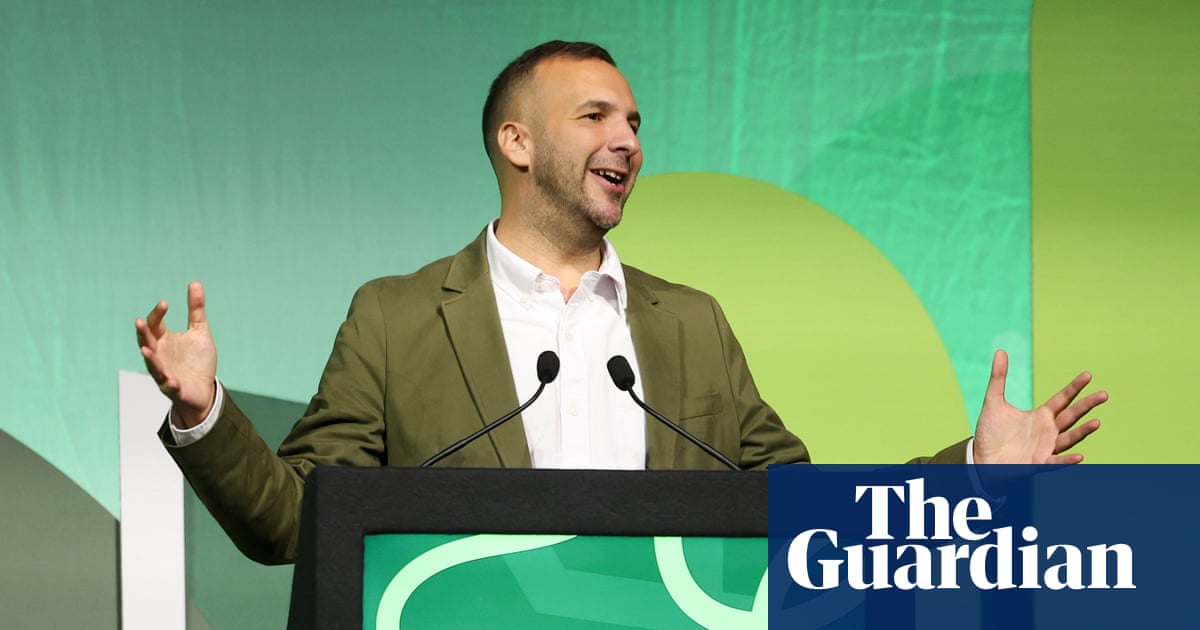
Senior Labour figures rule out coalition with Greens after party's Zionism vote
A Labour minister says cooperation with the Greens is hard to foresee after the party adopted a policy describing Zionism as a form of racism.

Guardian editorial argues Green party should not reject a two-state approach to Israel-Palestine
The newspaper's editorial board says Green leader Zack Polanski must balance support for Palestinian rights with reassuring Jewish members amid internal disagreement.

Kemi Badenoch says she wants Reform voters to 'come back' to the Conservatives
The Conservative leader addressed voters who have shifted support to Reform UK.

Why Some Conservatives Are Talking About Winning the Next Election
Kemi Badenoch's personal popularity, which currently outpaces that of her party, is fueling optimism among some Conservatives.

Kemi Badenoch Unveils 'Britannia Shield' Plan at Conservative Party Conference
The announcement has drawn sharp commentary, including a satirical column by The Guardian's John Crace mocking the tone of this year's conference.

Badenoch Proposes £2.3bn Cut to Employer National Insurance for Young Workers
The Conservative leader says she would halve employer national insurance on jobs held by young people, as speculation builds ahead of her conference speech.