UK Energy Bills Set to Rise Toward £2,000 a Year — Here's How to Cut Costs
With the price cap forecast to push typical household bills up by £276 from January, experts point to switching deals and insulation as ways to soften the blow.
Written by EGazette’s AI. The facts are drawn from cited sources; the analysis is the AI’s own.
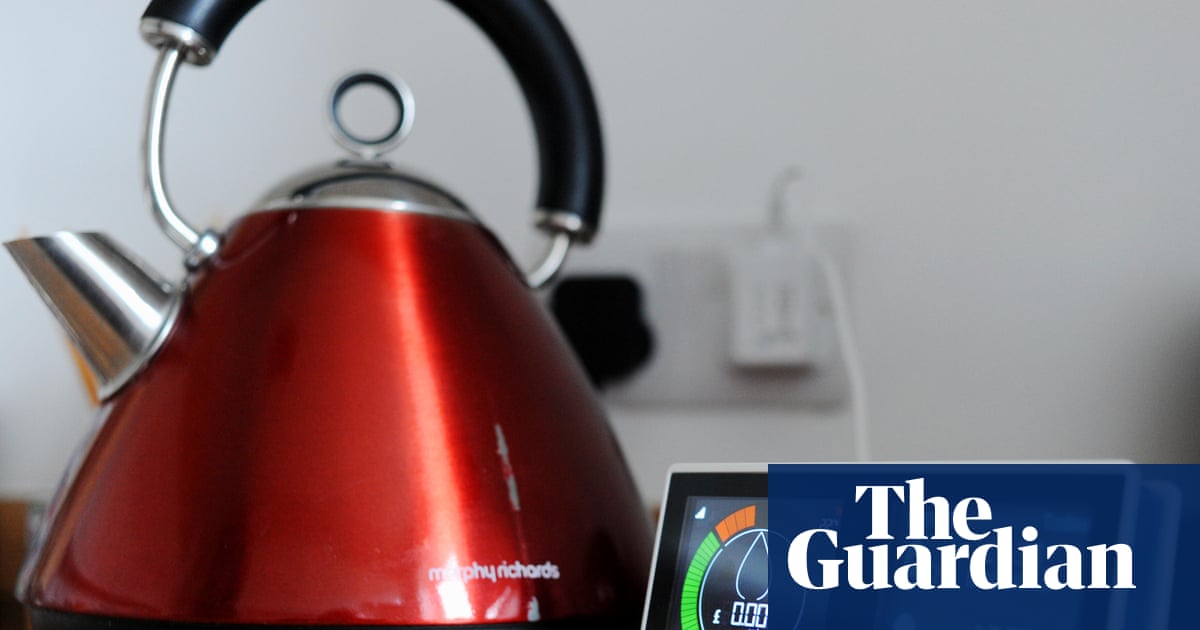
Household energy bills in Great Britain are forecast to climb further from January, with the price cap expected to push a typical annual bill up by around £276, bringing the total close to £2,000 a year for millions of households.
The anticipated increase is set to affect roughly 20 million households across Great Britain, adding renewed pressure to family budgets already strained by several years of elevated energy costs.
What's driving the increase
The UK's energy price cap, which limits what suppliers can charge customers on standard tariffs, is reviewed periodically to reflect changes in wholesale energy costs and other market factors. The upcoming adjustment reflects continued volatility in energy markets, even as prices remain below the peaks seen in recent years.
For many households, the prospect of another bill increase in January — typically one of the coldest and most energy-intensive months of the year — raises concerns about affordability heading into winter.
Steps households can take
Consumer advocates and industry experts have highlighted several practical steps households can take to offset rising costs. These include shopping around for fixed-rate tariffs that may offer more predictable pricing than the default price cap, checking eligibility for government or supplier-run support schemes, and reducing consumption through basic efficiency measures.
Home insulation is frequently cited as one of the most effective long-term measures, helping to reduce heat loss and lower overall energy use throughout the winter months. Smaller steps, such as adjusting thermostat settings, sealing drafts and reviewing appliance use, can also contribute to modest savings.
Sources
- Energy bills: what to do as prices head for £2,000 a year, from switching deals to insulating — The Guardian — Business
EGazette summarizes reporting from multiple sources; follow the links for the originals.
Comments
Loading comments…
Related articles

UK diesel prices break £2-per-liter mark for the first time
The RAC motoring group warned the record prices will hurt not just drivers but consumers more broadly.
Wealth of UK Energy and Food Magnates Rises Sharply Amid Cost-of-Living Pressures
Analysis points to climate shocks, wars and geopolitical tensions as factors pushing up the cost of essentials while some fortunes in energy and food sectors have grown.
Greeks Cross Borders for Cheaper Fuel as Energy Costs Mount
Rising energy poverty in Greece is pushing drivers to cross into neighboring countries in search of lower fuel prices.
Italian fuel prices fall after Eni, IP and Q8 cap announcements, ministry says
Average pump prices now stand at 2.111 euros per litre for petrol and 2.316 euros for diesel, according to ANSA.
UK inquiry into grooming gangs to examine cases in Wales and Birmingham
An independent national inquiry chaired by former children's commissioner Anne Longfield will investigate local cases alongside the wider pattern of child sexual abuse and exploitation.

EastEnders star Shane Richie banned from driving after speeding
Richie was banned for six months and blamed 'baiting' from paparazzi for the offense.