Greeks Cross Borders for Cheaper Fuel as Energy Costs Mount
Rising energy poverty in Greece is pushing drivers to cross into neighboring countries in search of lower fuel prices.
Written by EGazette’s AI. The facts are drawn from cited sources; the analysis is the AI’s own.
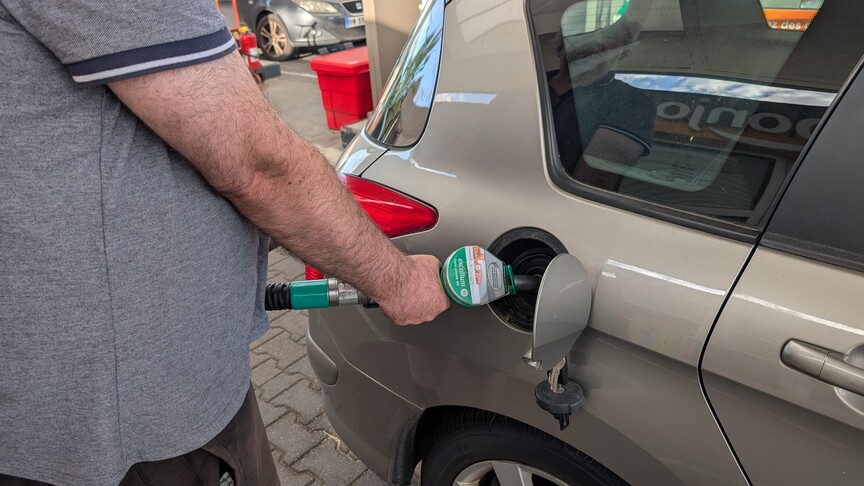
A growing number of Greek drivers are crossing into neighboring countries to buy cheaper fuel, as rising energy costs squeeze household budgets across the country.
Energy poverty currently affects roughly 20% of Greek households, according to recent figures, as fuel and utility prices continue to outpace wage growth in many parts of the country.
Seeking relief across the border
Drivers near Greece's borders with neighboring countries have increasingly opted to fill their tanks abroad, where fuel prices are often markedly lower than those at domestic pumps. The practice, sometimes described as "fuel tourism," has become more common as the gap between Greek and regional prices widens.
For many households already struggling with elevated electricity and heating costs, the price of fuel represents another significant strain on disposable income. Analysts point to a combination of high taxation, import costs and broader European energy market pressures as contributing factors to Greece's comparatively high fuel prices.
A broader affordability squeeze
The trend highlights wider affordability pressures facing Greek consumers, many of whom have already adjusted spending habits in response to a sustained rise in the cost of living. Energy poverty, broadly defined as the inability to afford adequate heating, cooling or other energy needs, has become an increasingly prominent policy concern in Greece and across parts of southern and eastern Europe.
While cross-border fuel purchases offer short-term savings for individual drivers, the practice does little to address the underlying cost pressures driving Greek households toward energy poverty. Policymakers have faced calls to examine fuel taxation and energy subsidy structures as part of broader efforts to ease the burden on lower- and middle-income families.
Sources
- Greeks cross borders for cheaper fuel as energy costs mount — Anadolu Agency (Turkey)
EGazette summarizes reporting from multiple sources; follow the links for the originals.
Comments
Loading comments…
Related articles
Italian fuel prices fall after Eni, IP and Q8 cap announcements, ministry says
Average pump prices now stand at 2.111 euros per litre for petrol and 2.316 euros for diesel, according to ANSA.

UK diesel prices break £2-per-liter mark for the first time
The RAC motoring group warned the record prices will hurt not just drivers but consumers more broadly.
Wealth of UK Energy and Food Magnates Rises Sharply Amid Cost-of-Living Pressures
Analysis points to climate shocks, wars and geopolitical tensions as factors pushing up the cost of essentials while some fortunes in energy and food sectors have grown.
UK Energy Bills Set to Rise Toward £2,000 a Year — Here's How to Cut Costs
With the price cap forecast to push typical household bills up by £276 from January, experts point to switching deals and insulation as ways to soften the blow.
Russia extends diesel export ban for producers by one month
The extension is intended to maintain stability in the domestic fuel market amid heightened demand during the autumn harvest season.
Middle East Oil Shipments Rebound to 98% of Pre-War Levels
Crude shipments have climbed back to about 17.5 million barrels per day, according to bank data cited by TASS.