UK Defence Secretary Says New Anti-Disinformation Unit Won't Target Domestic Dissent
Wes Streeting sought to reassure critics that a planned National Centre for Information Defence will not be used to police political disagreement.

Britain's Defence Secretary Wes Streeting said a new government unit intended to counter disinformation will not be used to target domestic political dissent, seeking to address concerns about the initiative's scope.
Speaking to GB News, Streeting said "we're not interested in policing domestic political dissent," responding to criticism that the planned National Centre for Information Defence could be used to suppress legitimate political debate rather than focus solely on external disinformation threats.
In a separate interview with the BBC's Today programme, Streeting outlined the rationale behind the new centre, saying the government needed "not just better co-ordination at the centre of government, but the better mobilisation of the whole of society" to help the public "separate fact from fiction."
Details of the National Centre for Information Defence, including its precise remit, funding and oversight structure, were still emerging as officials described the initiative. Governments in a number of countries have in recent years established or proposed similar bodies aimed at countering foreign disinformation campaigns and online manipulation, though such efforts have frequently drawn scrutiny from civil liberties groups concerned about potential overreach into free expression and political speech.
The announcement came as part of a wider discussion of the UK government's approach to national security and information integrity. Further details on how the centre will operate, and what safeguards will govern its work, are expected to be set out as the plans develop.
Sources
- PM’s new anti-disinformation unit won’t target ‘domestic political dissent’, defence secretary says – UK politics live — The Guardian — World
EGazette résume des articles de plusieurs sources ; suivez les liens pour les originaux.
Articles liés
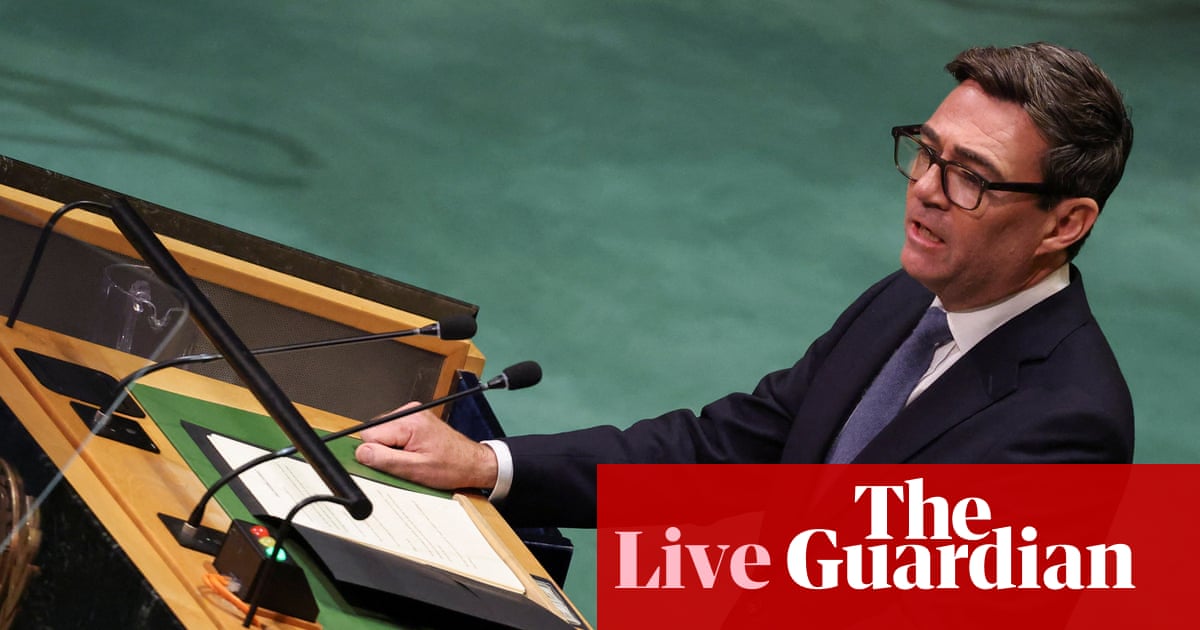
Un ministre britannique affirme que le nouveau dispositif anti-désinformation ne visera pas la dissidence politique intérieure
Le ministre de la Santé Wes Streeting a cherché à rassurer les critiques après qu'Andy Burnham eut annoncé la création d'un Centre national pour la défense de l'information dans un discours aux Nations Unies.
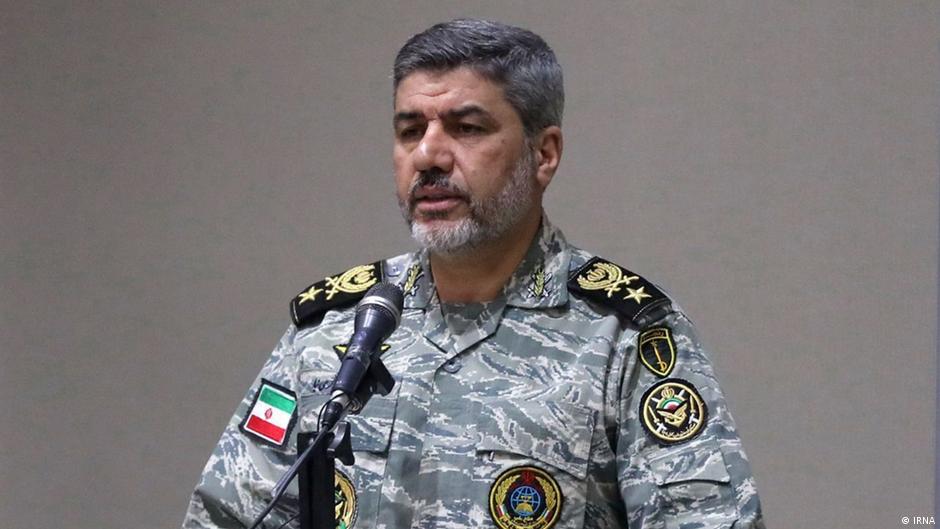
Rapport : L'Iran estime que les menaces du président américain Trump révèlent une impasse stratégique américaine et un épuisement croissant de l'armée
Le rapport de Deutsche Welle — Arabe présente les éléments clés disponibles dans la source sur cette évolution, en maintenant les affirmations attribuées à leurs sources.

Marine Tondelier, candidate des Ecologistes à l’élection présidentielle, présente avoir donné naissance à son deuxième enfant
Le reportage de Le Monde — Une résume les principaux éléments disponibles, en maintenant les affirmations attribuées à leurs sources.
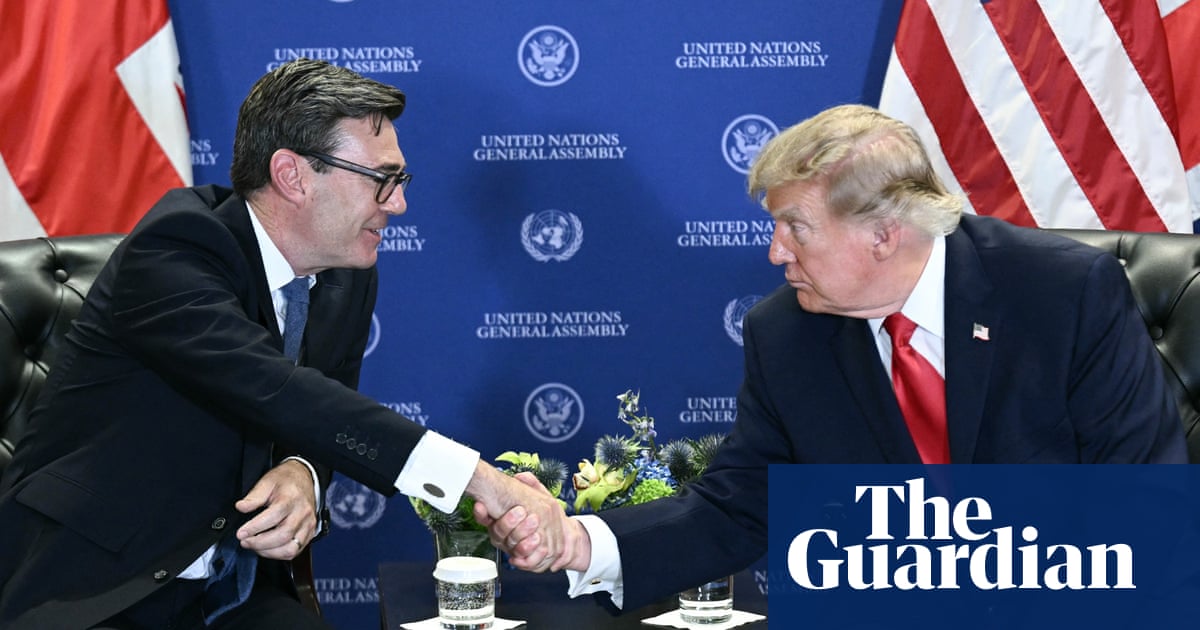
Rapport : Trump félicite Burnham malgré les tensions sur l'IA, les îles Chagos et l'Iran
Un rapport du Guardian — Politique présente les principaux éléments disponibles, avec les affirmations attribuées à leurs sources.
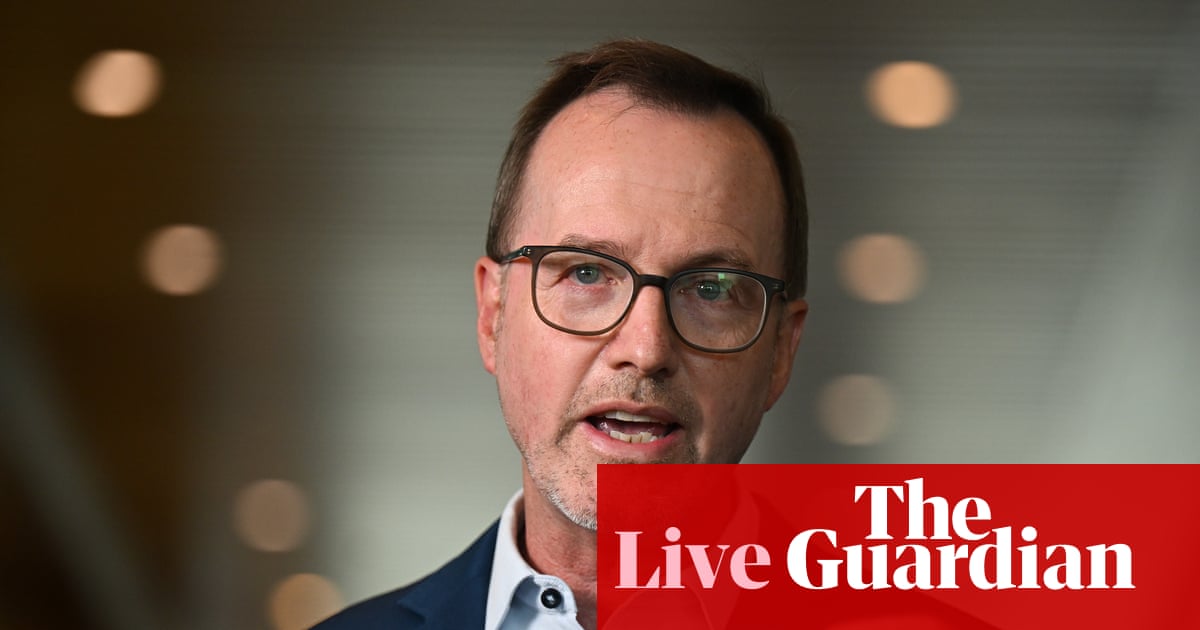
Actualités australiennes en direct : Shoebridge qualifie la soumission américaine sur les lois de sécurité en ligne d'« intervention extraordinaire dans notre politique intérieure »
Un rapport du Guardian — Monde présente les principaux détails disponibles sur cette évolution, les déclarations restant attribuées à leurs sources.
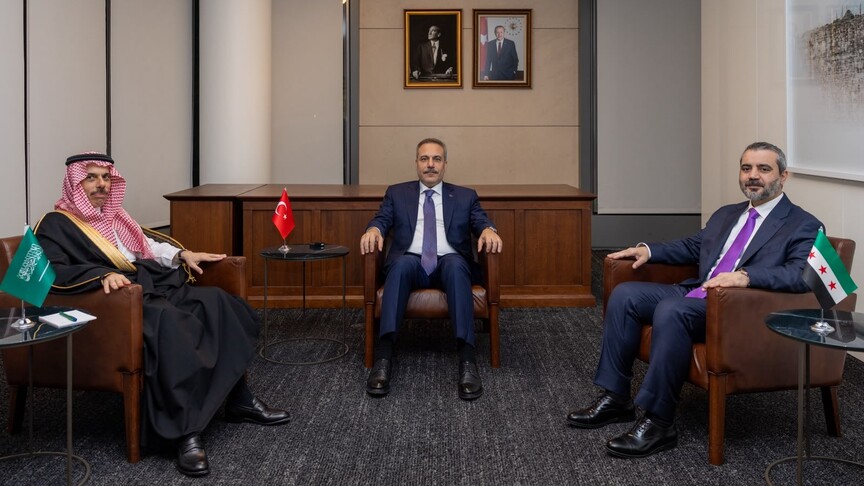
Rapport : Le chef de la diplomatie turque préside une réunion trilatérale à New York avec ses homologues syrien et saoudien
Un reportage de l'Agence Anadolu (Turquie) expose les principaux éléments disponibles, les déclarations restant attribuées à leurs sources.
Comments
Loading comments…