Study Suggests Flying May Boost Positive Emotions in Cockatoos
Research on galahs indicates that flight is associated with positive emotional states and optimism in the birds, according to a report by Scientific American.
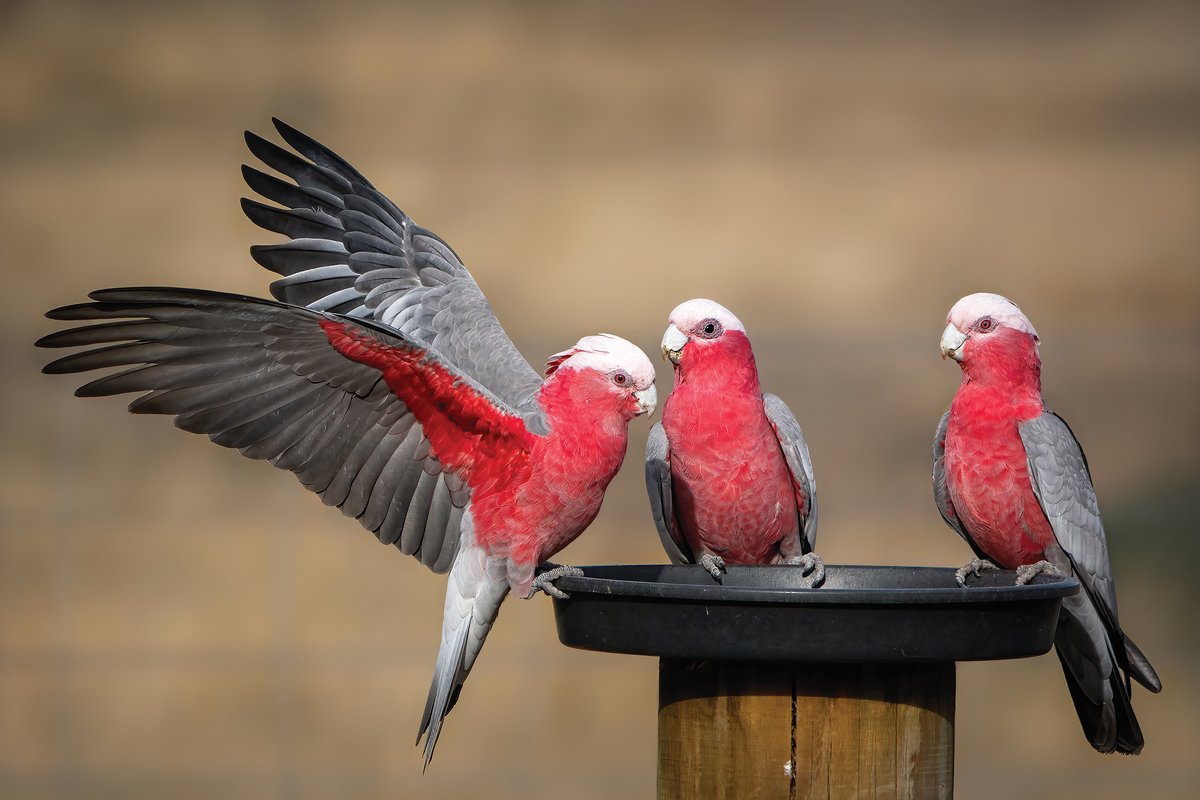
A study examining the emotional experiences of birds has found that flying may be linked to positive feelings and increased optimism in galahs, a species of cockatoo native to Australia, according to a report published by Scientific American.
The research, as described in the article, sought to explore a long-standing question about animal behavior: whether birds derive enjoyment from flight or engage in it purely out of necessity, such as for foraging or escaping predators.
According to Scientific American, researchers observed that flying activity in galahs correlated with signs of positive emotional states, suggesting the birds may experience something akin to enjoyment or optimism when airborne.
The findings contribute to a broader body of scientific inquiry into animal cognition and emotion, an area of research that has expanded in recent years as scientists develop new methods to assess subjective experiences in non-human species.
Scientific American did not provide further details in the excerpt regarding the specific methodology used to reach these conclusions or the full scope of the study's findings.
Sources
- Do birds enjoy flying? Scientists asked cockatoos — Scientific American
EGazette summarizes reporting from multiple sources; follow the links for the originals.
Related articles
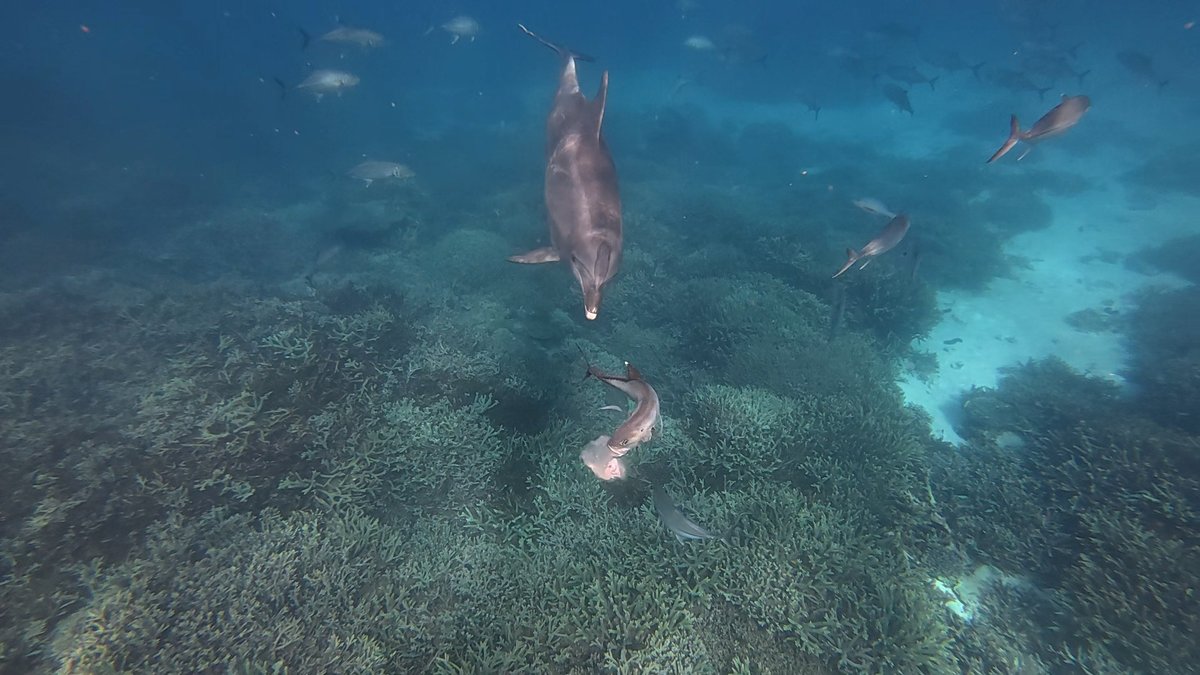
Dolphins Observed Feeding on Vomit From Frightened Fish, Study Finds
Researchers report that some dolphins appear to terrify prey fish into regurgitating, then consume the resulting vomit as an easy meal.

Scientific American Explores What Science Reveals About Canine Perception
A new feature examines ongoing research into how dogs process the world around them, including their relationships with humans.
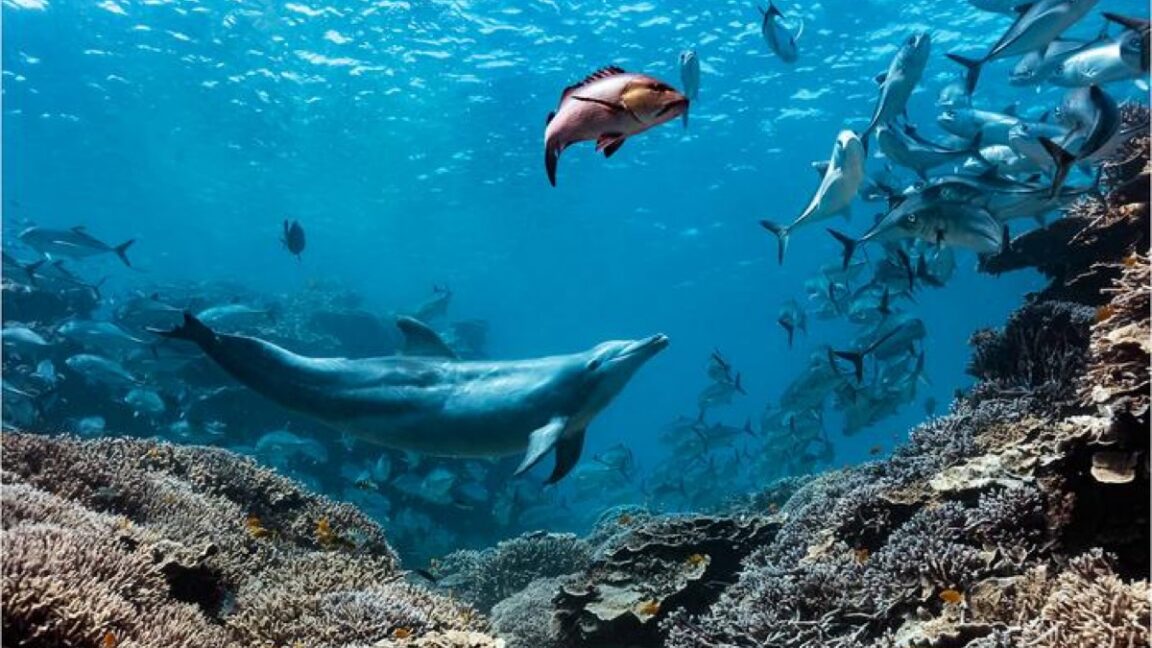
Dolphin Named Bubbles Observed Forcing Other Fish to Vomit Before Eating the Regurgitated Prey
Researchers describe a rare feeding behavior in which a dolphin appears to induce vomiting in other fish to steal their food, according to a report by Ars Technica.
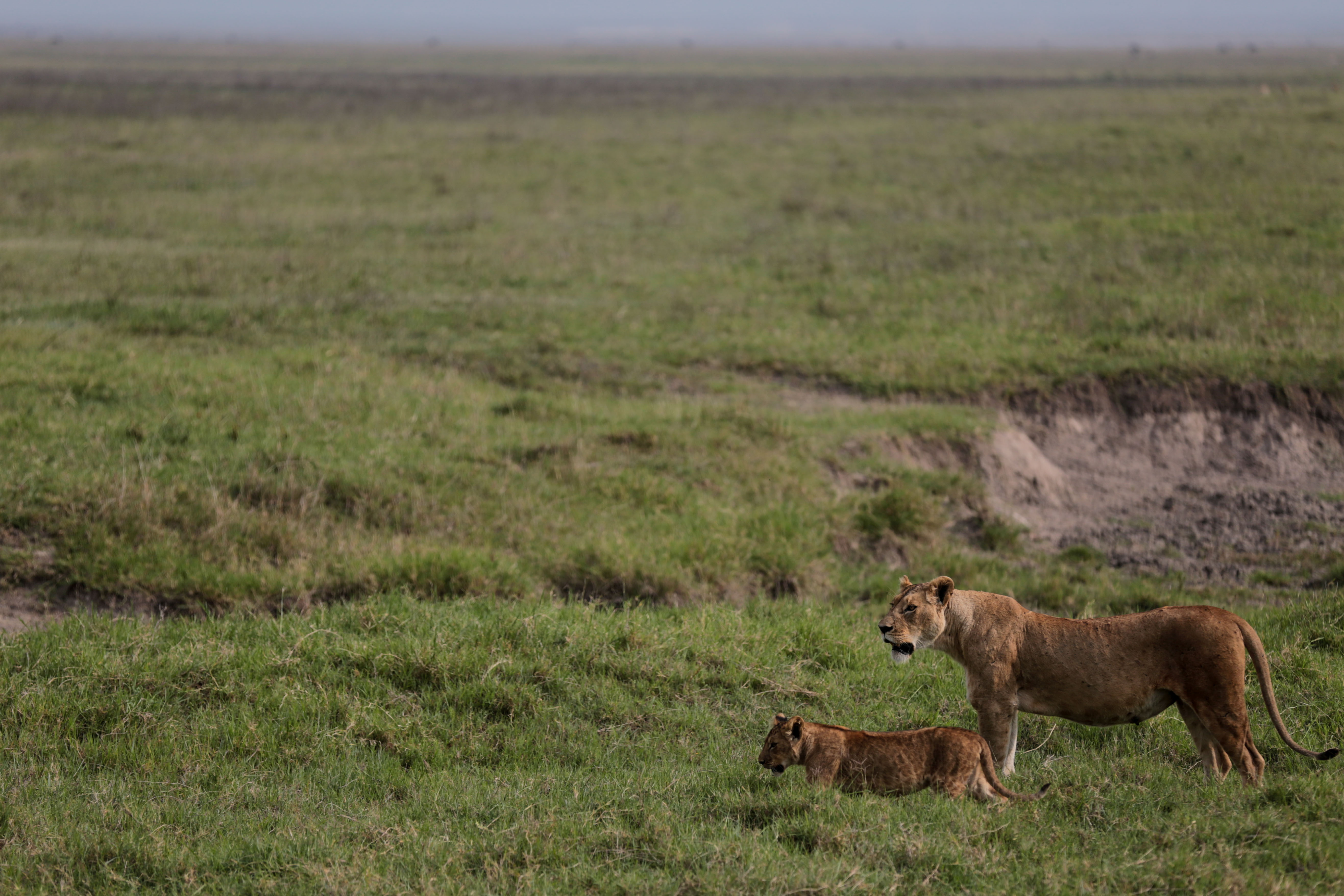
Poison suspected in deaths of ten lions at Tanzania game reserve
The lions were discovered dead in the Ngorongoro Conservation Area, prompting wildlife officials to investigate.

European Space Agency Launches Two Satellites to Monitor Climate Change
The new satellites will help scientists study the effects of climate change, with one instrument dedicated to observing plant life

Exceptional Discovery of Denisovan Fossils in a Southwestern Chinese Cave
Extremely rare remains of these Asian "cousins" of Neanderthals have been unearthed alongside stone tools, shedding new light on their way of life.
Comments
Loading comments…