Dolphin Named Bubbles Observed Forcing Other Fish to Vomit Before Eating the Regurgitated Prey
Researchers describe a rare feeding behavior in which a dolphin appears to induce vomiting in other fish to steal their food, according to a report by Ars Technica.
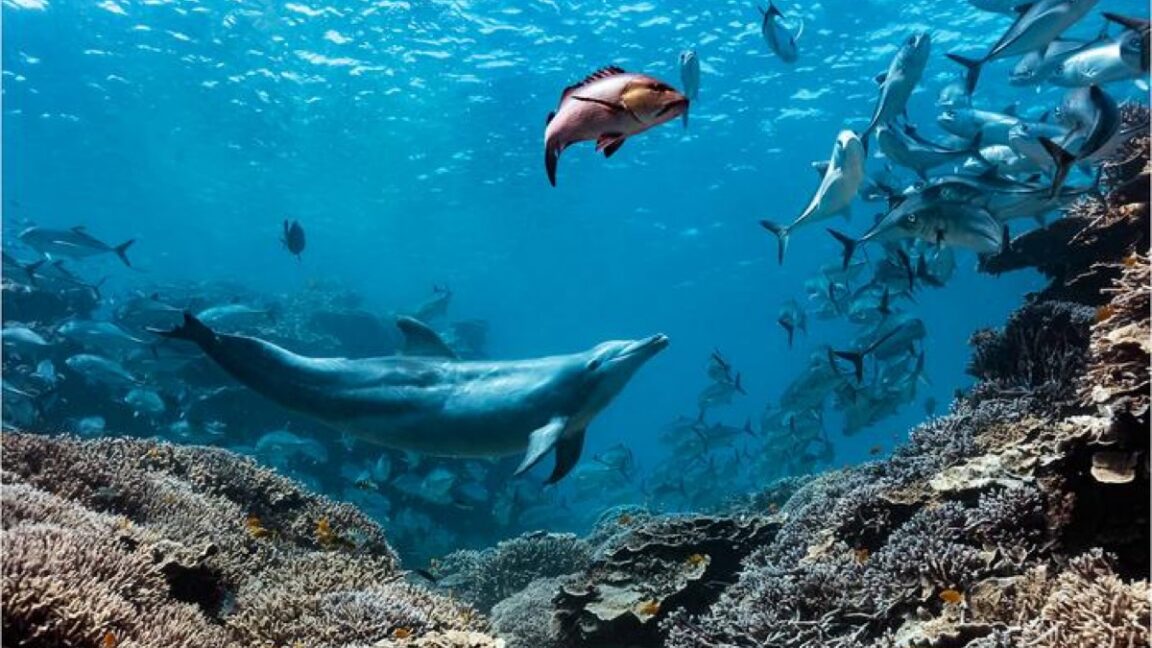
A dolphin nicknamed Bubbles has been observed engaging in an unusual feeding strategy that involves making other fish vomit and then consuming the regurgitated material, according to a report published by Ars Technica.
The report describes the behavior as a form of kleptoparasitism, in which one animal obtains food by taking it from another rather than hunting independently. In this case, according to the report, Bubbles appears to provoke other fish into vomiting, after which the dolphin eats the expelled contents.
Researchers cited in the report emphasized that this behavior does not diminish the dolphin's status as an active predator. "Dolphins are predators and actively hunt their prey, whether it's been stolen from another species or not," the report quotes researchers as saying.
The report frames the observation as an example of the range of foraging tactics dolphins can employ, noting that such behavior highlights the adaptability of these animals in obtaining food from their environment.
Further details about the specific location, species of fish involved, or the frequency of this behavior were not fully specified in the available excerpt of the report.
Sources
- A dolphin named Bubbles makes other fish vomit, then eats it — Ars Technica
EGazette summarizes reporting from multiple sources; follow the links for the originals.
Related articles
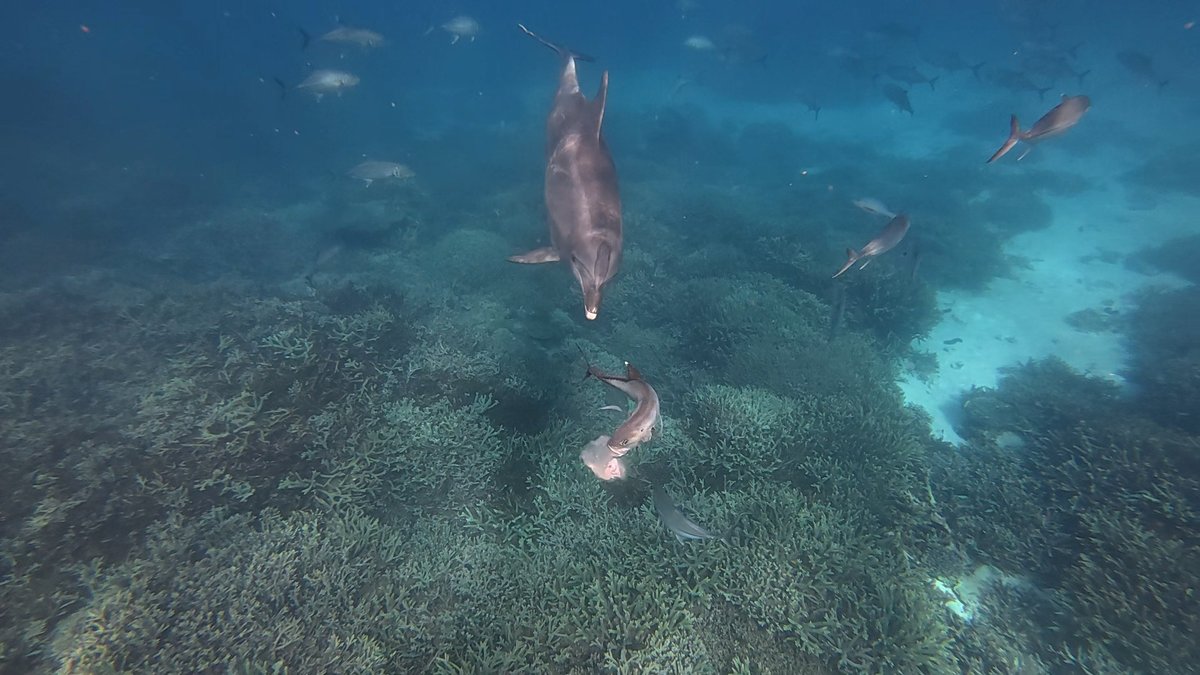
Dolphins Observed Feeding on Vomit From Frightened Fish, Study Finds
Researchers report that some dolphins appear to terrify prey fish into regurgitating, then consume the resulting vomit as an easy meal.
Black Sea Dolphin Population May Need Up to 50 Years to Recover, Environmentalist Says
Preliminary scientific estimates suggest cetacean numbers in the Black Sea, diminished by wartime hostilities, could take decades to return to prewar levels.
Poison suspected in deaths of ten lions at Tanzania game reserve
The lions were discovered dead in the Ngorongoro Conservation Area, prompting wildlife officials to investigate.

European Space Agency Launches Two Satellites to Monitor Climate Change
The new satellites will help scientists study the effects of climate change, with one instrument dedicated to observing plant life

Exceptional Discovery of Denisovan Fossils in a Southwestern Chinese Cave
Extremely rare remains of these Asian "cousins" of Neanderthals have been unearthed alongside stone tools, shedding new light on their way of life.
Scientific American's October Retrospective Looks Back at Smallpox, Skyscrapers and Racetrack Research
A historical column published by Scientific American revisits science and technology milestones from 50, 100 and 150 years ago, touching on smallpox eradication efforts, skyscraper excavation work and research conducted at racetracks.
Comments
Loading comments…