Study Suggests Chimpanzees Teach Infants Tool Use Through Demonstration and Handover
Researchers report that adult chimpanzees model tool-use behavior before passing implements to their young, who then imitate the technique, according to a report from Ars Technica.
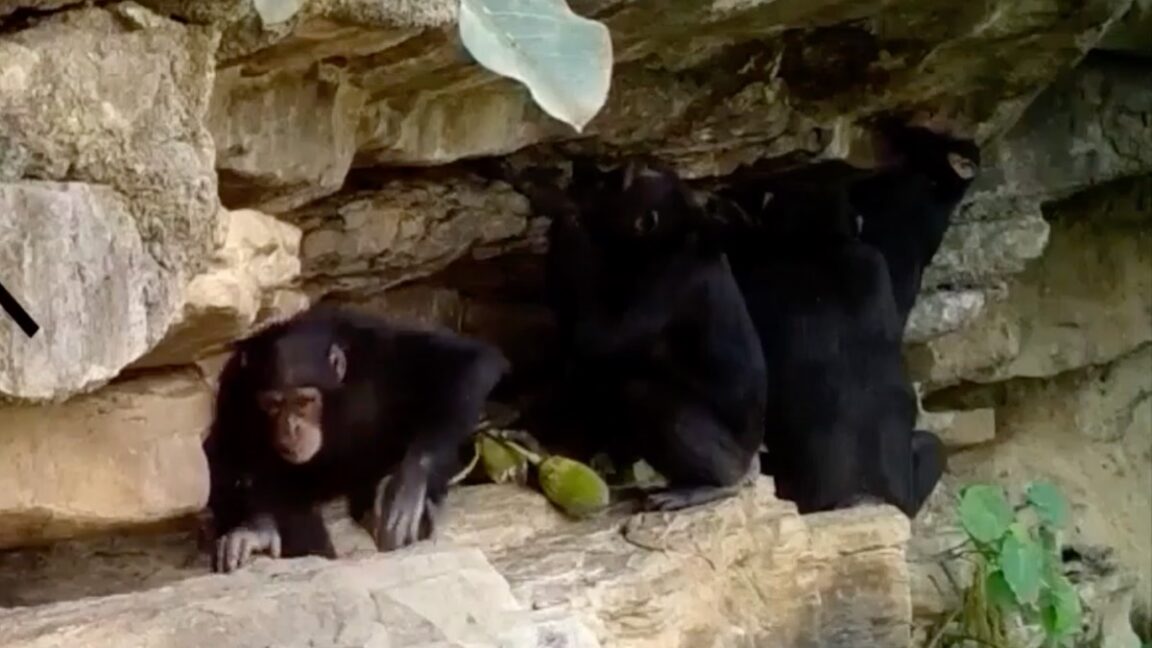
A new report from Ars Technica describes how adult chimpanzees appear to teach infants specific tool-use skills through a two-step process: adults first demonstrate the technique themselves, then hand the tool over to their offspring, who attempt to copy the behavior.
According to the report, this pattern of demonstration followed by direct transfer of the implement suggests a deliberate teaching process rather than passive observation alone. The young chimpanzees reportedly practice the behavior after receiving the tool from an adult, indicating a hands-on learning approach within chimpanzee communities.
The findings, as described by Ars Technica, add to a broader body of research examining how tool-use traditions are passed between generations of great apes. Tool use among chimpanzees, including tasks such as cracking nuts or extracting insects with modified sticks, has long been documented by primatologists studying wild populations.
Ars Technica's report frames this demonstration-and-handover sequence as evidence of active teaching, distinguishing it from simple imitation that might occur if infants merely watched adults without direct involvement in practicing with the tools themselves.
Further details on the research methodology, location of study, and the specific researchers involved were not included in the available excerpt from the source report.
Sources
- How chimps teach their kids tool tricks — Ars Technica
EGazette summarizes reporting from multiple sources; follow the links for the originals.
Related articles
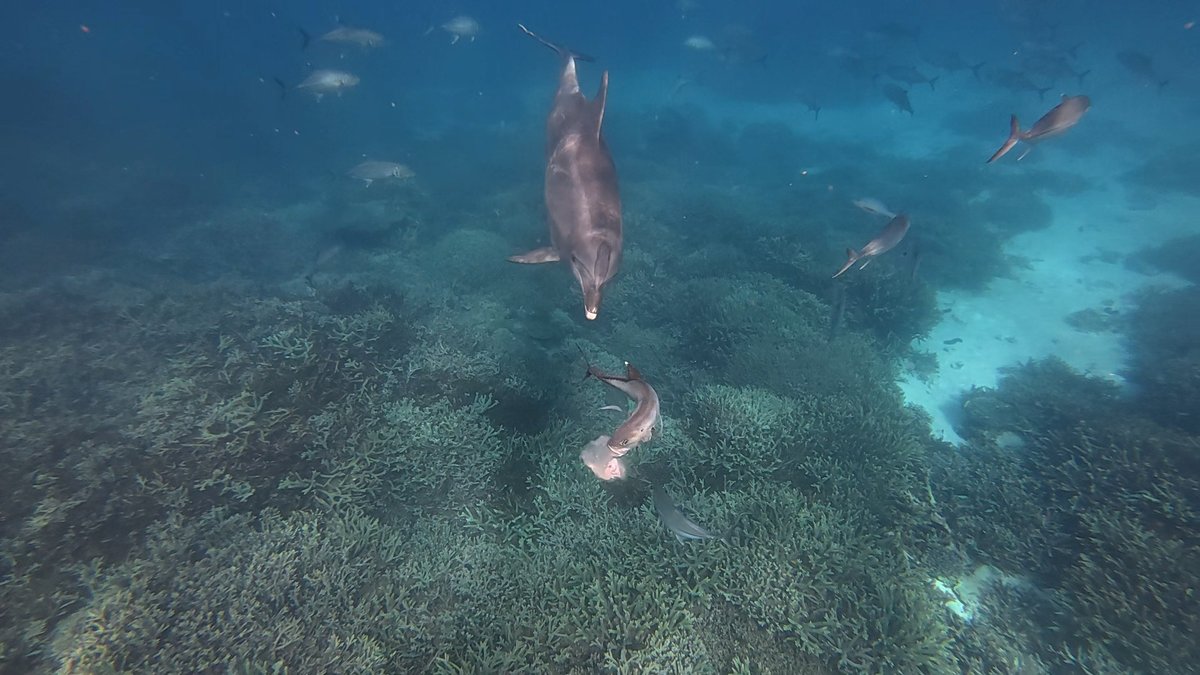
Dolphins Observed Feeding on Vomit From Frightened Fish, Study Finds
Researchers report that some dolphins appear to terrify prey fish into regurgitating, then consume the resulting vomit as an easy meal.
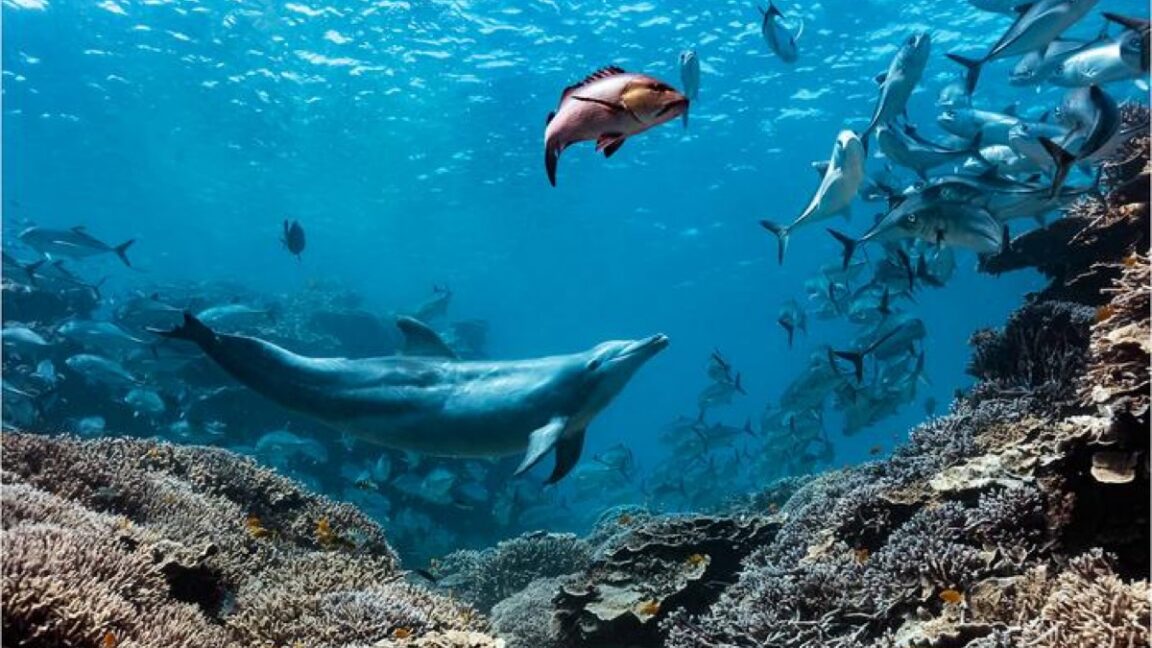
Dolphin Named Bubbles Observed Forcing Other Fish to Vomit Before Eating the Regurgitated Prey
Researchers describe a rare feeding behavior in which a dolphin appears to induce vomiting in other fish to steal their food, according to a report by Ars Technica.
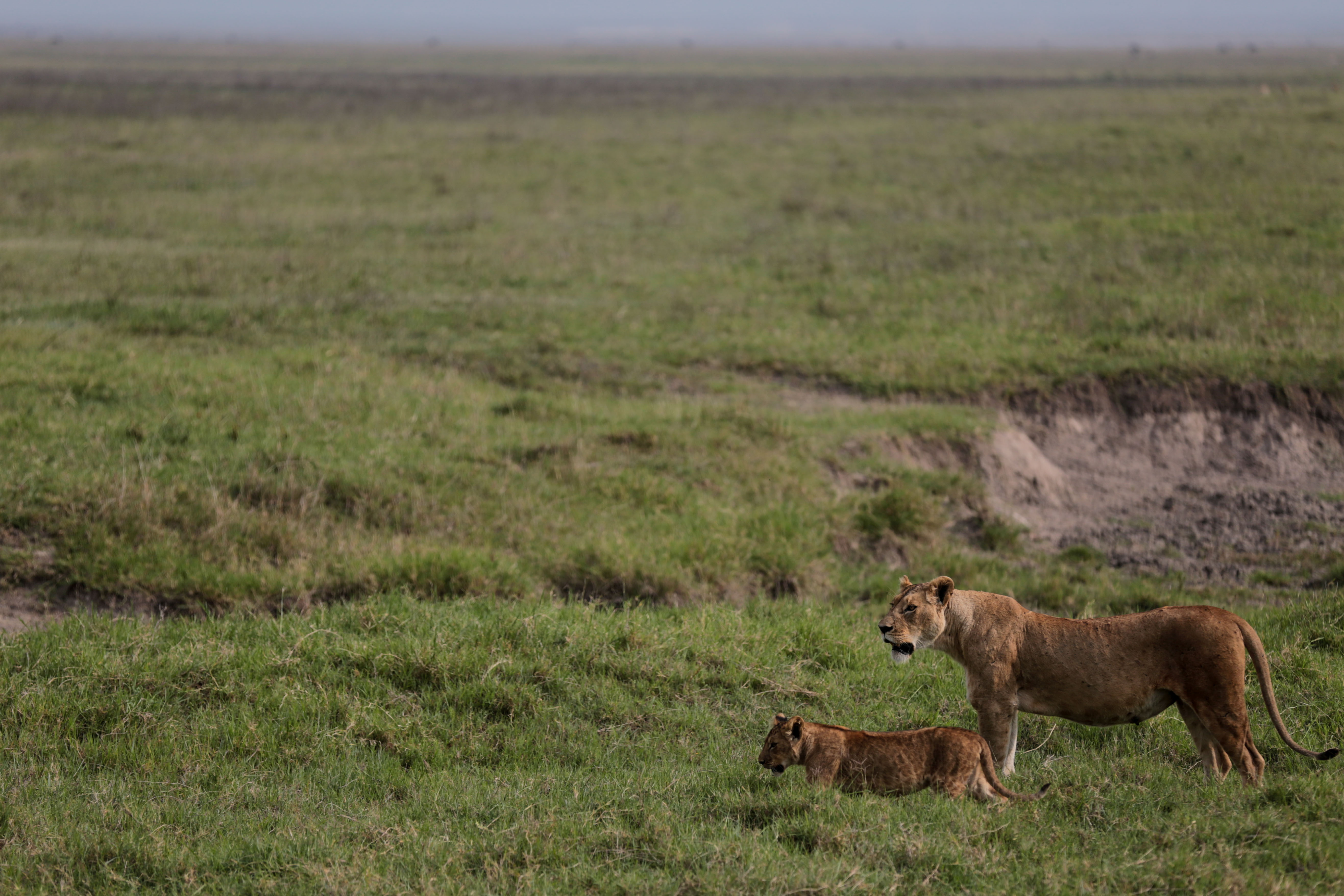
Poison suspected in deaths of ten lions at Tanzania game reserve
The lions were discovered dead in the Ngorongoro Conservation Area, prompting wildlife officials to investigate.

European Space Agency Launches Two Satellites to Monitor Climate Change
The new satellites will help scientists study the effects of climate change, with one instrument dedicated to observing plant life

Exceptional Discovery of Denisovan Fossils in a Southwestern Chinese Cave
Extremely rare remains of these Asian "cousins" of Neanderthals have been unearthed alongside stone tools, shedding new light on their way of life.
Scientific American's October Retrospective Looks Back at Smallpox, Skyscrapers and Racetrack Research
A historical column published by Scientific American revisits science and technology milestones from 50, 100 and 150 years ago, touching on smallpox eradication efforts, skyscraper excavation work and research conducted at racetracks.
Comments
Loading comments…