Study Finds Opencast Mining Can Reawaken Dormant Geological Faults Miles Away
Research on Germany's Rhenish coalfields finds subsidence from groundwater extraction can extend up to 20km beyond a mine's edge.
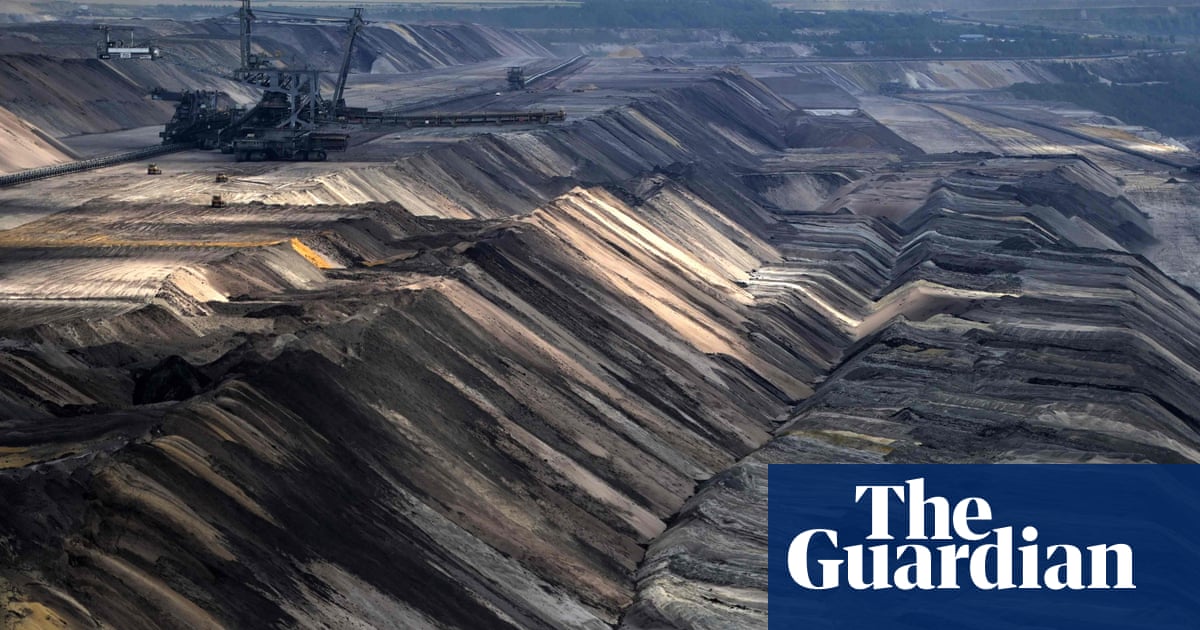
A new study has found that the impact of opencast mining can extend far beyond the boundaries of the pit itself, with subsidence linked to groundwater extraction detected as far as 20 kilometres from the mine site, according to the Guardian.
Researchers from the GFZ Helmholtz Centre for Geosciences in Potsdam, Germany, examined satellite data and geological field measurements around the opencast Rhenish coalfields, located between the cities of Aachen and Cologne, to assess the wider geological consequences of large-scale open-pit coal mining in the region.
The study found that mining-related groundwater extraction triggered extensive land subsidence in the surrounding area and reactivated geological faults that had previously been dormant. While underground mines have long been associated with ground subsidence directly above excavated areas, the risks linked to opencast, or surface, mines have been comparatively less studied and less understood, according to the report.
Opencast mining requires the large-scale pumping of groundwater to keep pits dry enough for excavation, a process that can significantly lower the water table across a wide surrounding area. That drop in groundwater levels can, in turn, cause the ground itself to compact and settle, sometimes reactivating fault lines that had been geologically stable for extended periods.
The findings carry implications for regions with a history of opencast coal mining, raising questions about long-term land stability, potential effects on nearby infrastructure, and the environmental legacy of extraction sites even well beyond the immediate footprint of the mine.
The Rhenish coalfields have been a significant centre of German coal production for decades, and Germany has been gradually reducing its reliance on coal as part of a broader shift toward renewable energy, even as the environmental and geological aftereffects of past and ongoing mining activity continue to be studied.
Sources
- How opencast mining risks reawakening dormant geological faults — The Guardian — Business
EGazette summarizes reporting from multiple sources; follow the links for the originals.
Related articles
World Falling Behind on 2030 UN Biodiversity Protection Targets, Groups Warn
Nations agreed to protect 30% of Earth's land and sea by 2030, but with the deadline's halfway point reached, campaigners say current protection levels fall well short.

Yellowstone Staff Remove Record 20,100 Pieces of Trash From Hot Springs This Year
Strong winds and record visitor numbers have contributed to an unprecedented amount of litter collected from Yellowstone's hydrothermal areas, including hats, pencils and baby pacifiers.
Germany's Berlin and Mecklenburg-Western Pomerania elections spotlight shifting political dynamics
Commentators say the Sept. 20 state elections reveal deepening fragmentation within Germany's party system, rather than a clear win for any single party.
Poll Finds Most Germans Want Chancellor Merz to Resign
Merz's approval rating has fallen to an all-time low, with only 11% of Germans saying they are satisfied with his performance, a new survey shows.

Pakistan Environmental Agency to Hold Public Hearing on Gulberg Housing Schemes on October 15
Pak-EPA will examine the environmental impact assessments of two extended housing developments in Islamabad's Gulberg area.
High Diesel Prices Cost the EU an Extra $220 Million a Day, Group Says
An environmental organization says lowering highway speed limits could cut diesel demand by 15 percent.
Comments
Loading comments…