Six years after signing, Abraham Accords reportedly strengthened tensions rather than peace, according to historian
In a column published by "Le Monde," historian Jean-Pierre Filiu argues that the 2020 Israeli-Arab normalization agreements intensified regional divisions rather than easing them.
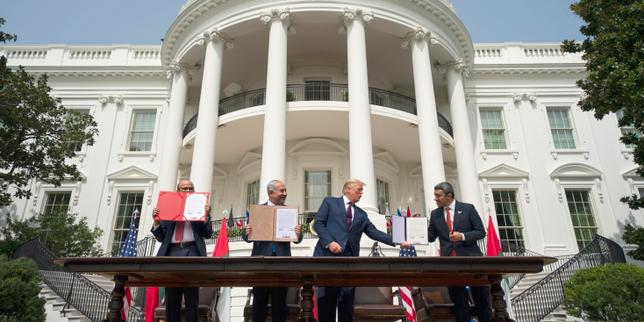
Six years after their signing, the Abraham Accords are the subject of renewed critical analysis. In a column published by "Le Monde" on September 13, 2026, historian Jean-Pierre Filiu argues that these accords, far from enabling a broad normalization of Israeli-Arab relations, have contributed to deepening divisions in the Middle East.
Signed in September 2020 under U.S. auspices, the Abraham Accords established diplomatic relations between Israel and several Arab countries, including the United Arab Emirates, Bahrain, Morocco, and Sudan. At the time, they were presented as a major breakthrough toward regional peace.
According to Jean-Pierre Filiu's analysis as reported by "Le Monde," this diplomatic framework has not delivered the expected stabilizing effects. The historian emphasizes that, six years after their adoption, these accords would have instead encouraged conflict dynamics rather than the peace process initially announced.
The column, published in "Le Monde"'s "A Nearby East" section, is part of a broader debate over the geopolitical consequences of these normalization accords, whose assessment continues to divide Middle East observers and analysts.
"Le Monde" notes that this analysis reflects the historian's viewpoint, expressed as part of his regular column dedicated to Middle East issues.
Sources
- « Les accords d’Abraham ont plutôt encouragé la guerre que la paix au Moyen-Orient » — Le Monde — Une
EGazette summarizes reporting from multiple sources; follow the links for the originals.
Related articles
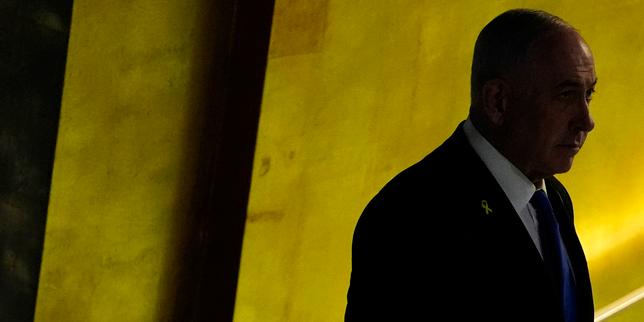
Historian Jean-Pierre Filiu says Netanyahu has "sabotaged" Israeli diplomacy
In a column published by Le Monde, the historian argues that Israel's foreign ministry has been systematically weakened under the current prime minister.

Israel announces new arrests for suspected espionage linked to Iran and Hamas
Israeli authorities have launched prosecutions against several individuals suspected of collaborating with Hamas, Lebanon, or Iranian intelligence services, amid escalating hybrid warfare, according to RFI.
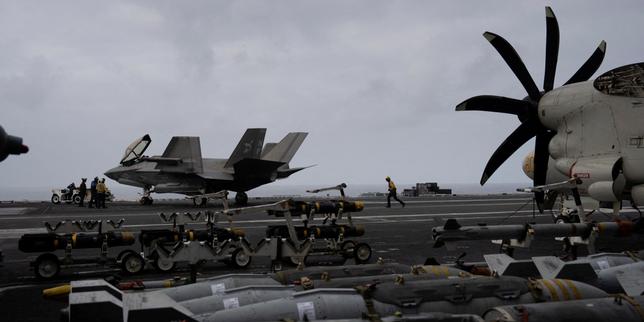
United States Cancels Plan to Intercept Chinese Vessel After Report Partly Generated by AI, According to CNN
According to information from CNN reported by Le Monde, the U.S. military abandoned a plan to intercept a Chinese ship in the Middle East after discovering that the report justifying the operation had been partially written by artificial intelligence.

Emmanuel Macron Calls on Political Leaders to "Remain United" Against International Instability
The French president convened party leaders and candidates for the 2027 presidential election at the Élysée to discuss the deteriorating situation in Ukraine and the Middle East.
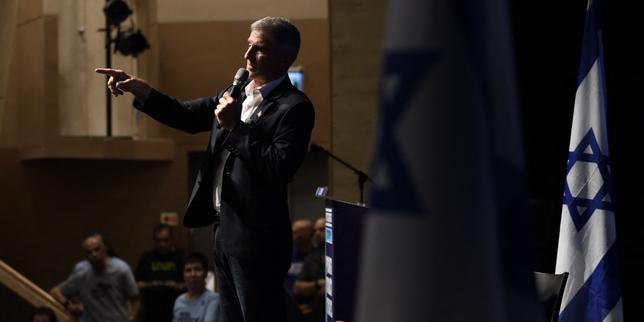
In Israel, opposition to Netanyahu weakened by internal divisions
Forty days before the legislative elections on October 27, opposition leader Yair Golan denounces maneuvers against his candidacy for prime minister.

EU Rapprochement: Canada Divided Between Enthusiasm and Skepticism
European Commission President Ursula von der Leyen's proposal to make Canada the first "associated member" of the European Union has received a favorable welcome in Ottawa, but also raises many questions about its real scope.
Comments
Loading comments…