Senate Offices Barred From Most Advanced AI Tools Even as Congress Debates Regulation
Lawmakers weighing AI policy lack access to the cutting-edge systems at the center of the debate, even as their staff use basic chatbots like ChatGPT.
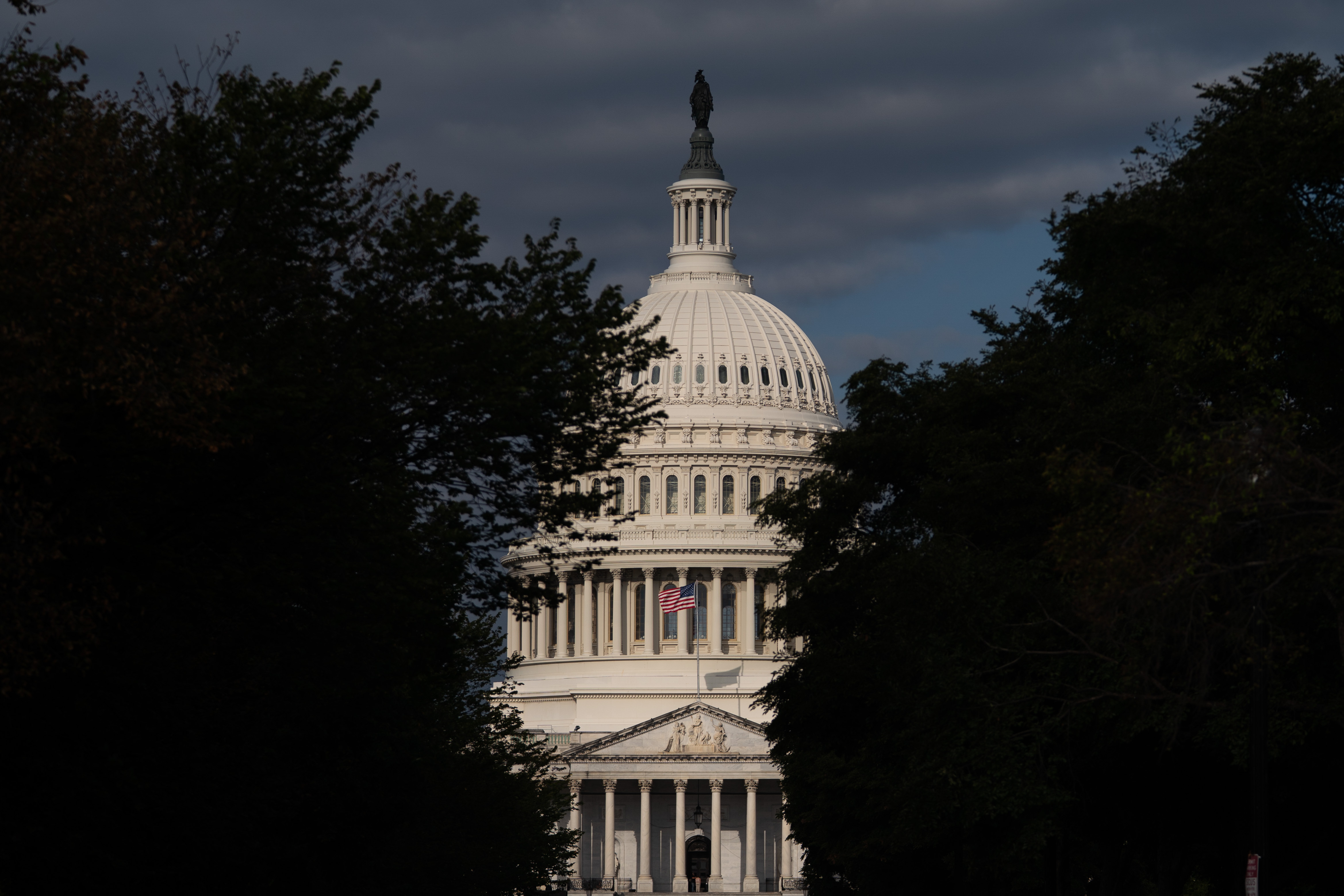
Senate offices are permitted to use basic AI chatbots such as ChatGPT, but are not authorized to access the more advanced artificial intelligence tools that are shaping the very debates lawmakers are having about AI regulation and safety, according to a report from NPR News.
The restriction highlights a gap between the technology available to policymakers and the frontier systems developed by leading AI labs, tools that are increasingly central to discussions about how the government should regulate the industry.
A knowledge gap in Congress
Staff and lawmakers who are drafting legislation on AI safety, data privacy, and algorithmic accountability say hands-on familiarity with cutting-edge models would help inform better policy, but security and procurement rules have kept the most capable tools out of Senate offices.
Technology policy experts have long warned that a gap between legislators' technical understanding and the pace of AI development could hinder effective oversight of the industry.
Congressional offices continue to rely on publicly available consumer-grade AI tools for tasks like drafting correspondence and research, even as debates over comprehensive AI legislation continue.
Sources
EGazette summarizes reporting from multiple sources; follow the links for the originals.
Related articles
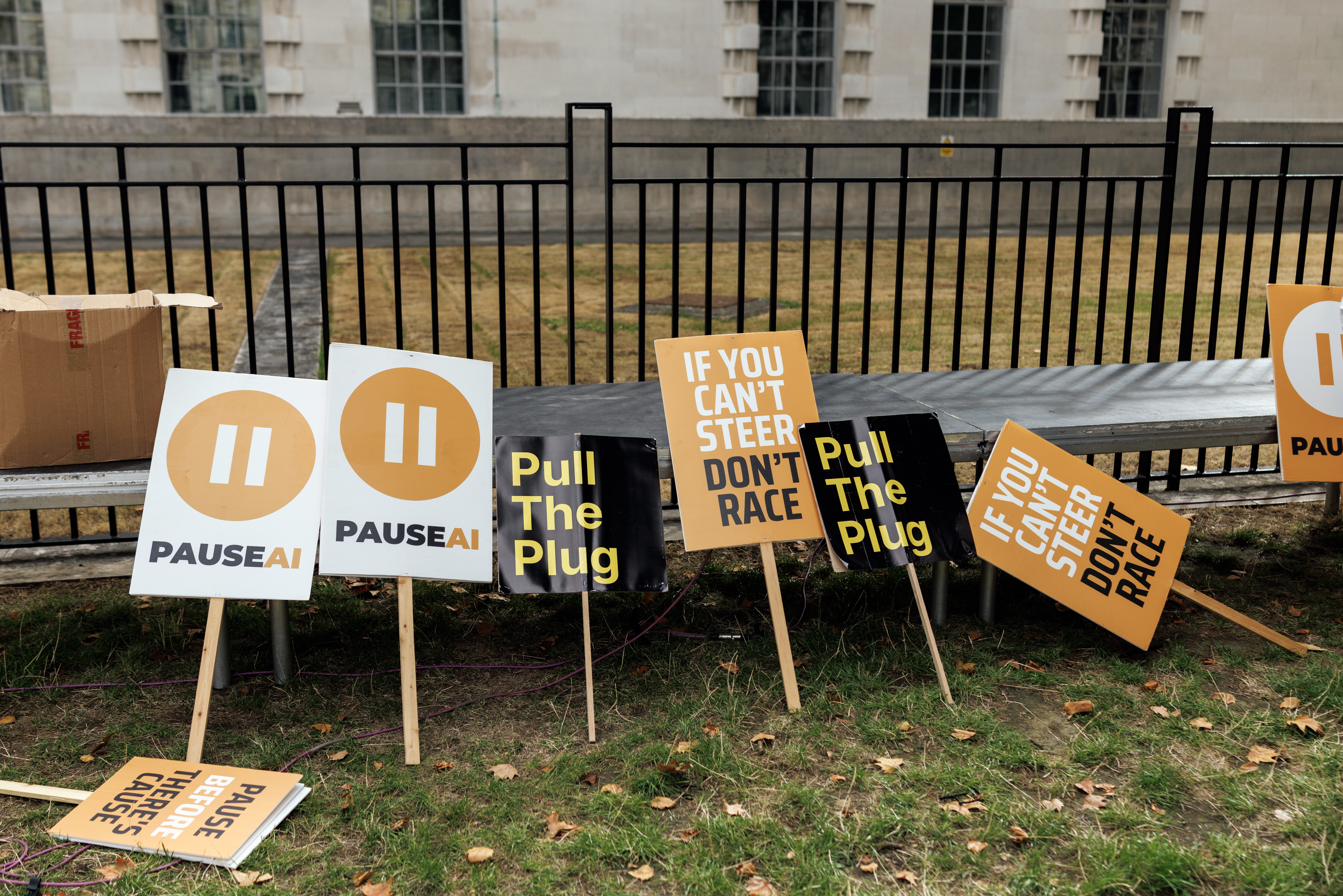
Critics Warn an 'AI Freeze' Could Entrench Dominance of Largest AI Firms
A slowdown in AI development among leading labs could consolidate their market power just as smaller competitors are trying to catch up, critics argue.

Artificial Intelligence Takes Centre Stage at UN General Assembly
World leaders, including new British Prime Minister Andy Burnham, addressed the growing global debate over AI during this year's UN gathering.
As AI leaders warn of catastrophe, US and China shun calls to slow down
Presidents Trump and Xi are expected to agree to only limited cooperation on AI safety as warnings about the technology's risks grow louder.

Regulator Investigates Pornhub Over Age Verification Checks
The regulator has raised concerns about how Pornhub relies on third-party age checks provided by Apple for some users.
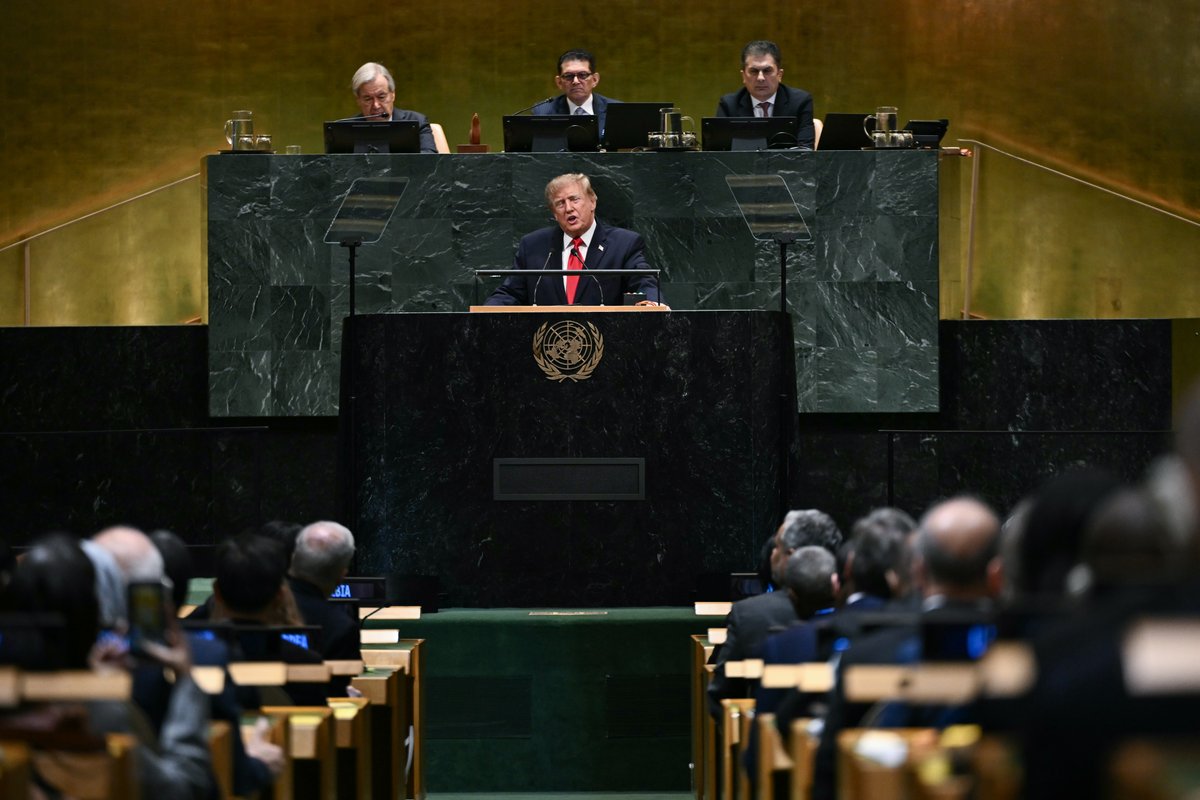
Report: Trump rejects AI regulation, citing parallels with climate change, in U.N. address
A report from Scientific American sets out the main available details, with claims kept attributed to their sources.

Anthropic and OpenAI's Newest Models Push Cheaper, More Capable AI
New model releases from Anthropic and OpenAI both emphasize incremental capability gains at significantly lower prices, signaling a shift toward cost-focused competition among frontier AI labs.
Comments
Loading comments…