Scientists Puzzled by Antarctic Krill Found Near Deep-Sea Hydrothermal Vents
Researchers say the discovery of krill in an unexpected undersea habitat raises new questions about the tiny crustacean's role in ocean ecosystems.
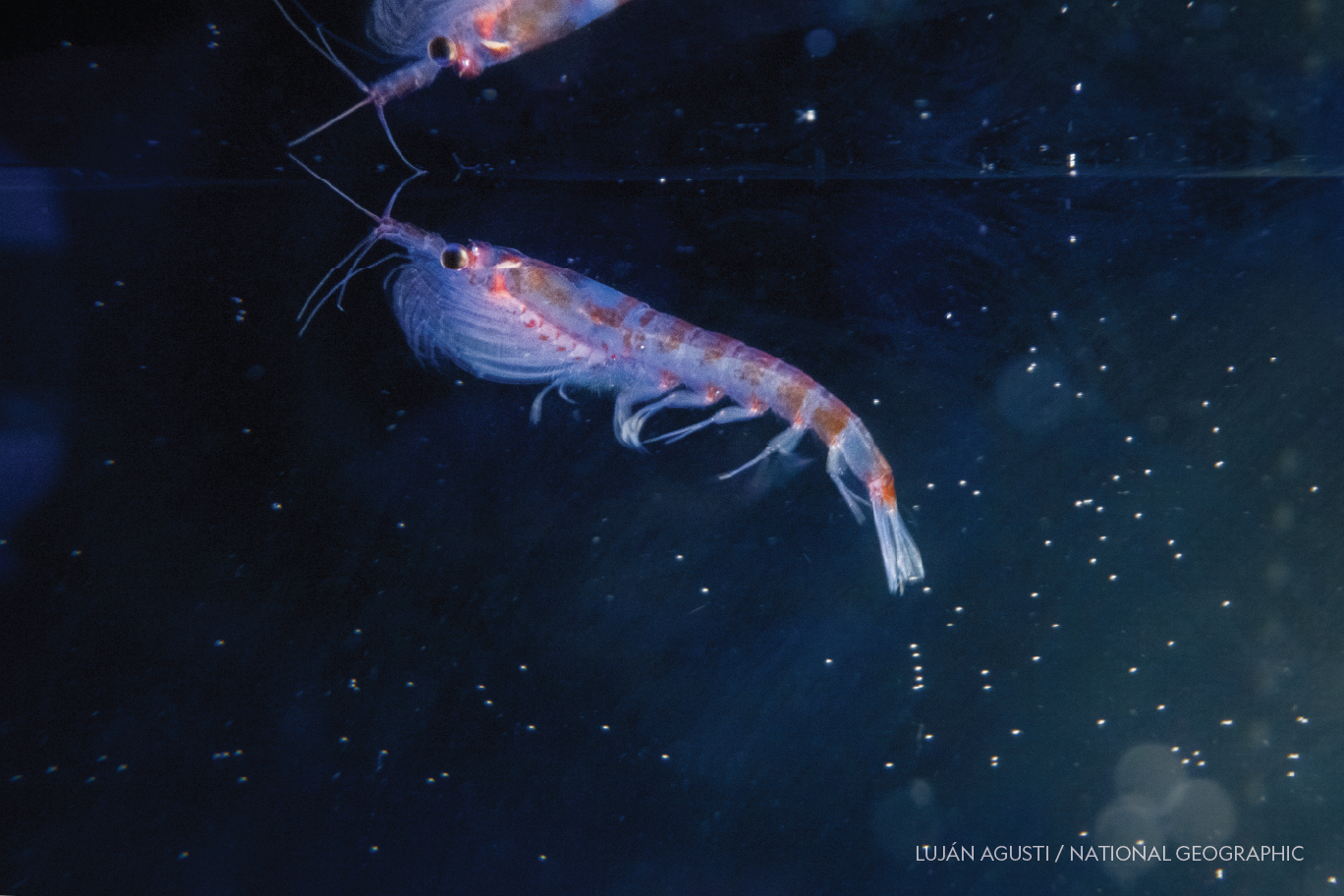
Antarctic krill, the small shrimp-like crustaceans that form a critical link in polar food chains, have been found in an unexpected location: deep-sea hydrothermal vents, according to researchers cited by NPR.
Antarctic krill are widely known as a key food source for penguins, seals and whales, according to the report. The species also plays a role in recycling nutrients that are used by algae in the ocean.
Scientists say the presence of krill near hydrothermal vents — geothermally active sites on the seafloor typically associated with extreme temperatures and unique chemical environments — was unexpected, prompting researchers to investigate why the krill are turning up there.
Details on the specific locations, methods used to detect the krill, and the researchers involved were not fully outlined in the available report. NPR indicated that the discovery has prompted ongoing scientific inquiry into the reasons behind the krill's presence in this deep-sea habitat.
The finding adds to broader scientific interest in Antarctic krill, given the species' outsized ecological importance despite its small size, according to the report.
Sources
EGazette summarizes reporting from multiple sources; follow the links for the originals.
Related articles
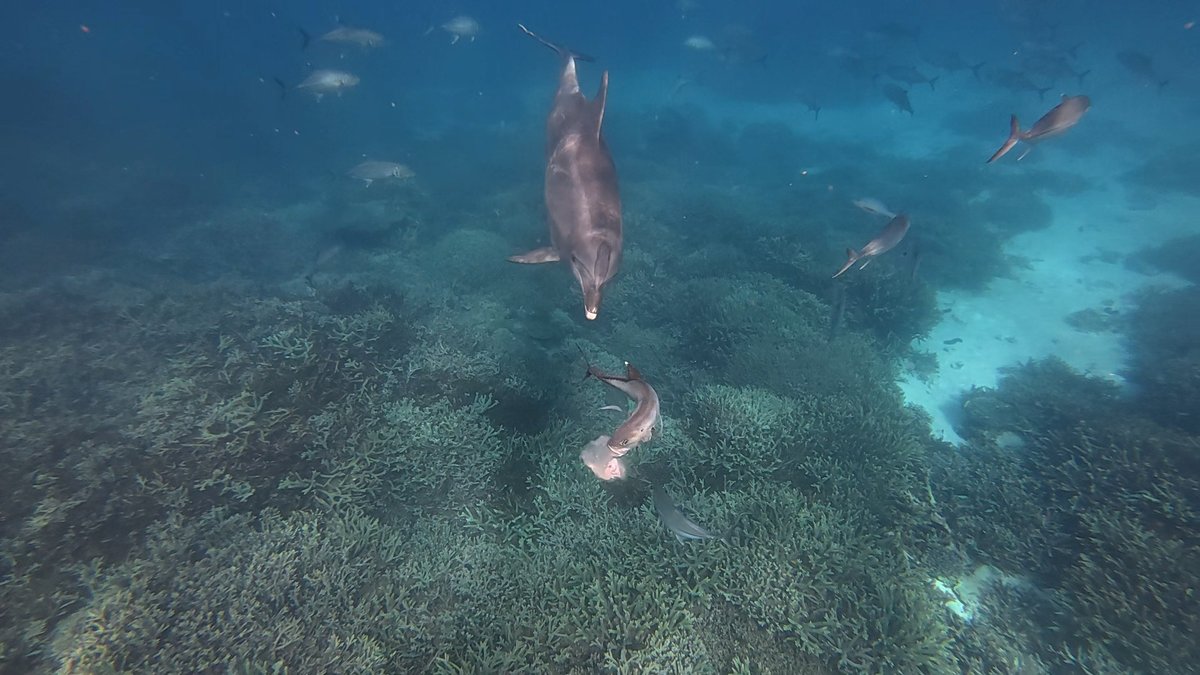
Dolphins Observed Feeding on Vomit From Frightened Fish, Study Finds
Researchers report that some dolphins appear to terrify prey fish into regurgitating, then consume the resulting vomit as an easy meal.
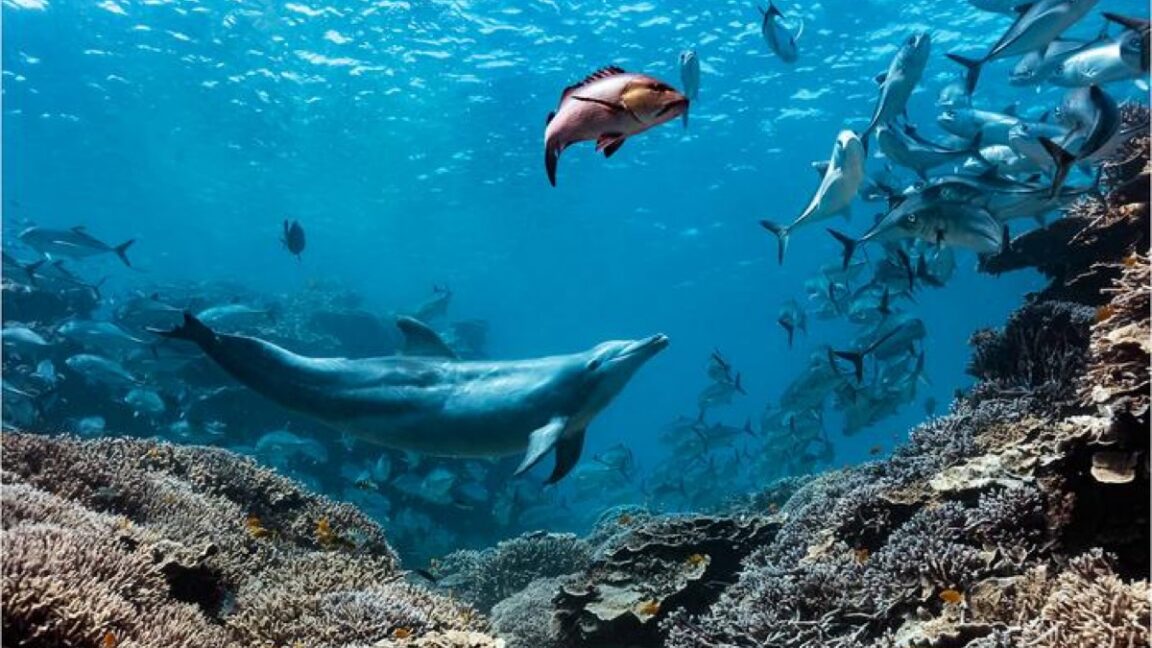
Dolphin Named Bubbles Observed Forcing Other Fish to Vomit Before Eating the Regurgitated Prey
Researchers describe a rare feeding behavior in which a dolphin appears to induce vomiting in other fish to steal their food, according to a report by Ars Technica.
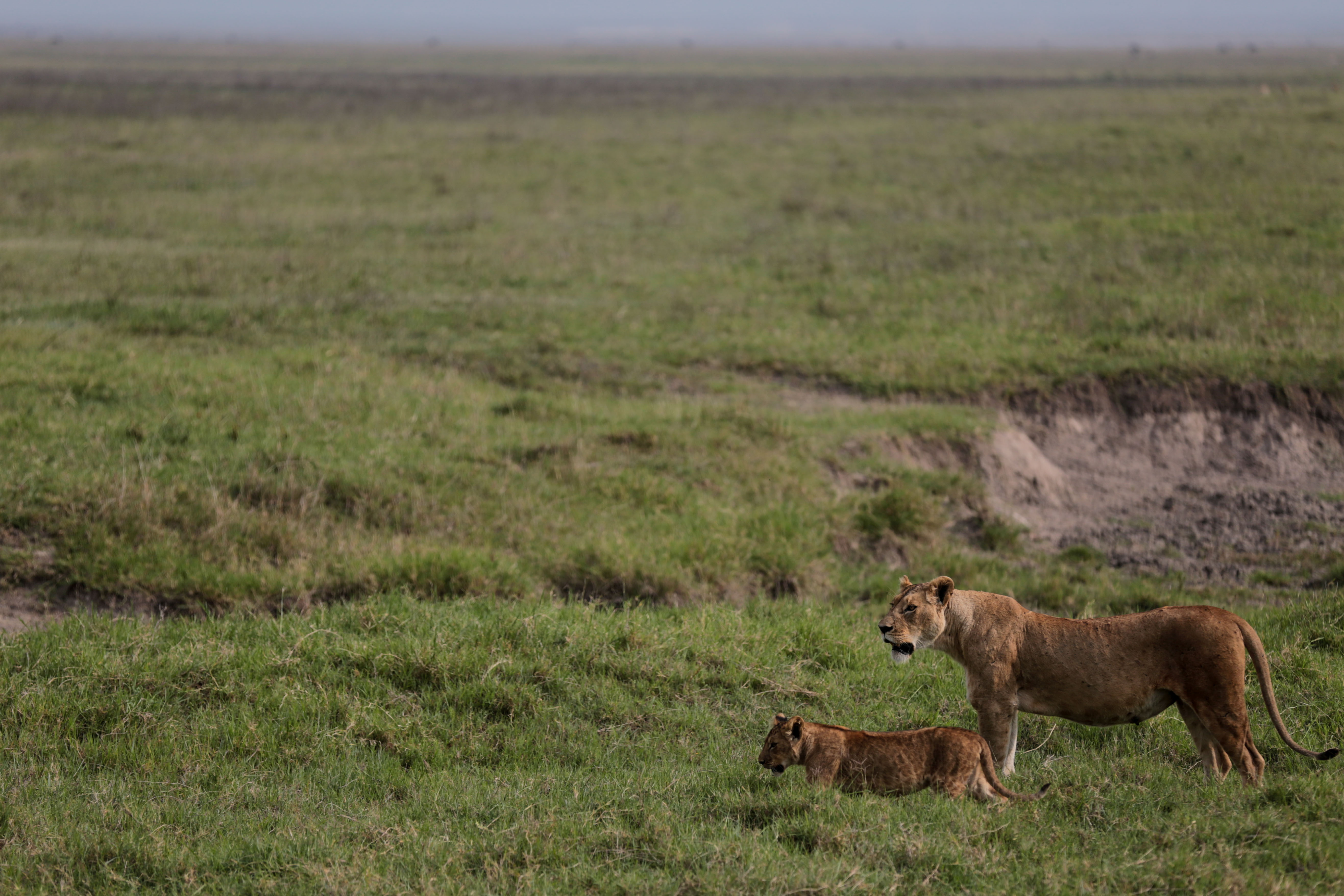
Poison suspected in deaths of ten lions at Tanzania game reserve
The lions were discovered dead in the Ngorongoro Conservation Area, prompting wildlife officials to investigate.

European Space Agency Launches Two Satellites to Monitor Climate Change
The new satellites will help scientists study the effects of climate change, with one instrument dedicated to observing plant life

Exceptional Discovery of Denisovan Fossils in a Southwestern Chinese Cave
Extremely rare remains of these Asian "cousins" of Neanderthals have been unearthed alongside stone tools, shedding new light on their way of life.
Scientific American's October Retrospective Looks Back at Smallpox, Skyscrapers and Racetrack Research
A historical column published by Scientific American revisits science and technology milestones from 50, 100 and 150 years ago, touching on smallpox eradication efforts, skyscraper excavation work and research conducted at racetracks.
Comments
Loading comments…