Scientists Detect Mysterious Decagon-Shaped Wave in Saturn's Atmosphere
A newly identified atmospheric structure resembling a ten-sided polygon has appeared on Saturn, and researchers say they cannot yet explain how it formed.
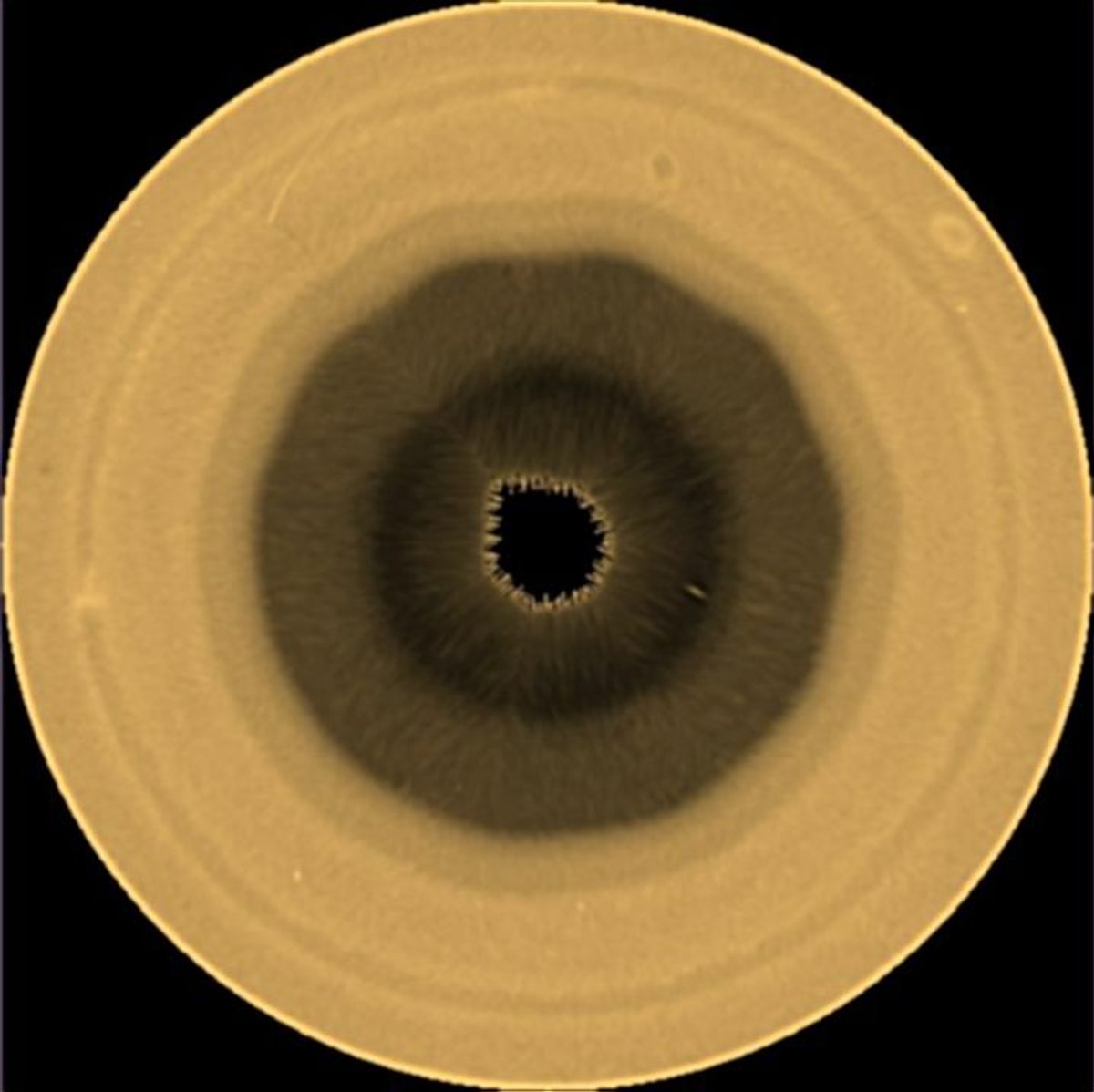
Scientists have discovered a previously unknown wave pattern shaped like a decagon in Saturn's atmosphere, according to a report published by Scientific American.
The structure, described as appearing to have formed relatively recently, has puzzled researchers who have not been able to determine the mechanism behind its formation, the report said.
Saturn is already known for its long-observed hexagonal jet stream at its north pole, a six-sided wave pattern that has intrigued scientists for decades. The newly reported decagon-shaped wave adds another geometric anomaly to the planet's atmospheric phenomena, according to Scientific American.
Further details on the specific observational methods, instruments, or research team behind the discovery were not included in the available source material. Scientific American indicated that the cause of the decagon wave remains unexplained by researchers at this time.
This report is based on information published by Scientific American; additional details from the original study or researchers involved were not available at the time of this writing.
Sources
- Scientists discover a mysterious wave shaped like a decagon in Saturn’s atmosphere — Scientific American
EGazette summarizes reporting from multiple sources; follow the links for the originals.
Related articles
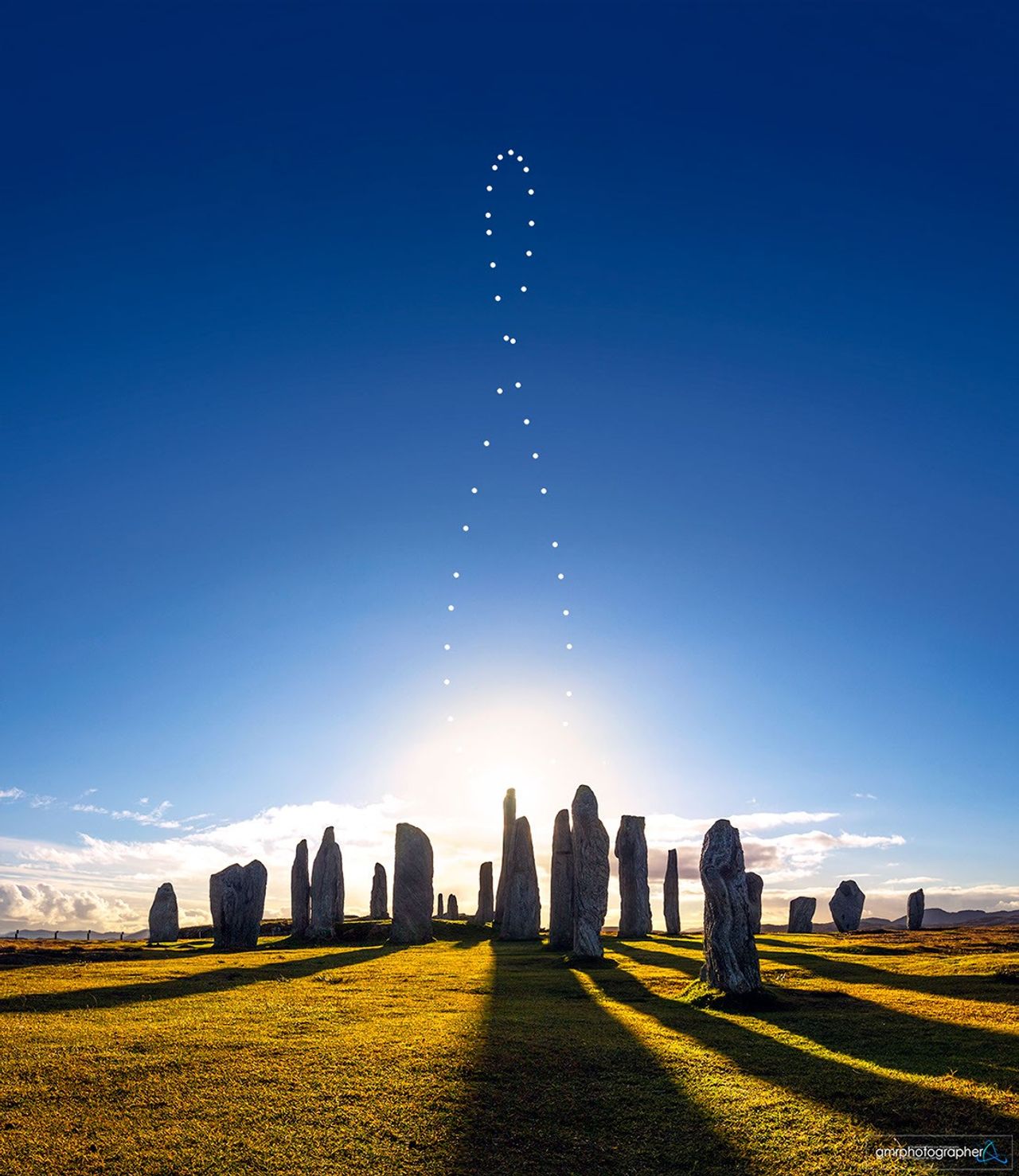
NASA's Astronomy Picture of the Day Features Analemma Over Scotland's Callanish Stones
The September 20, 2026 edition of NASA's long-running APOD series highlights a composite image showing the sun's yearly path above the ancient Callanish Stones.

Rings Around Small Body Chariklo Show Changes Over a Decade, Report Says
Observations of Chariklo, a roughly 250-kilometer-wide object in the outer solar system, indicate its two rings have shifted over the past ten years, according to a report from Ars Technica.
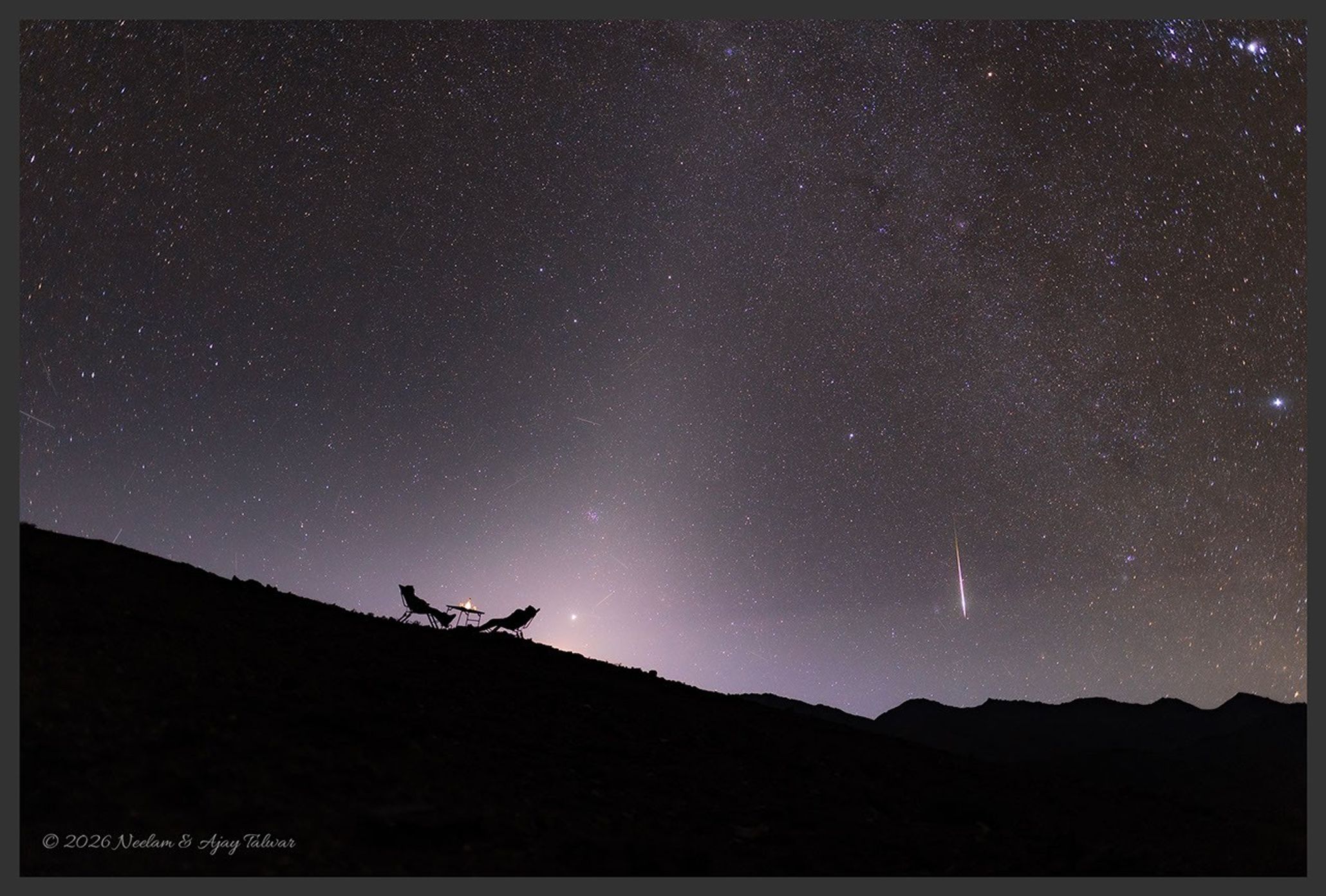
NASA’s Astronomy Picture of the Day to Feature “A Zodiacal Night” on September 19, 2026
The long-running NASA APOD series is set to showcase a night-sky image highlighting the zodiacal light, according to the program’s website.
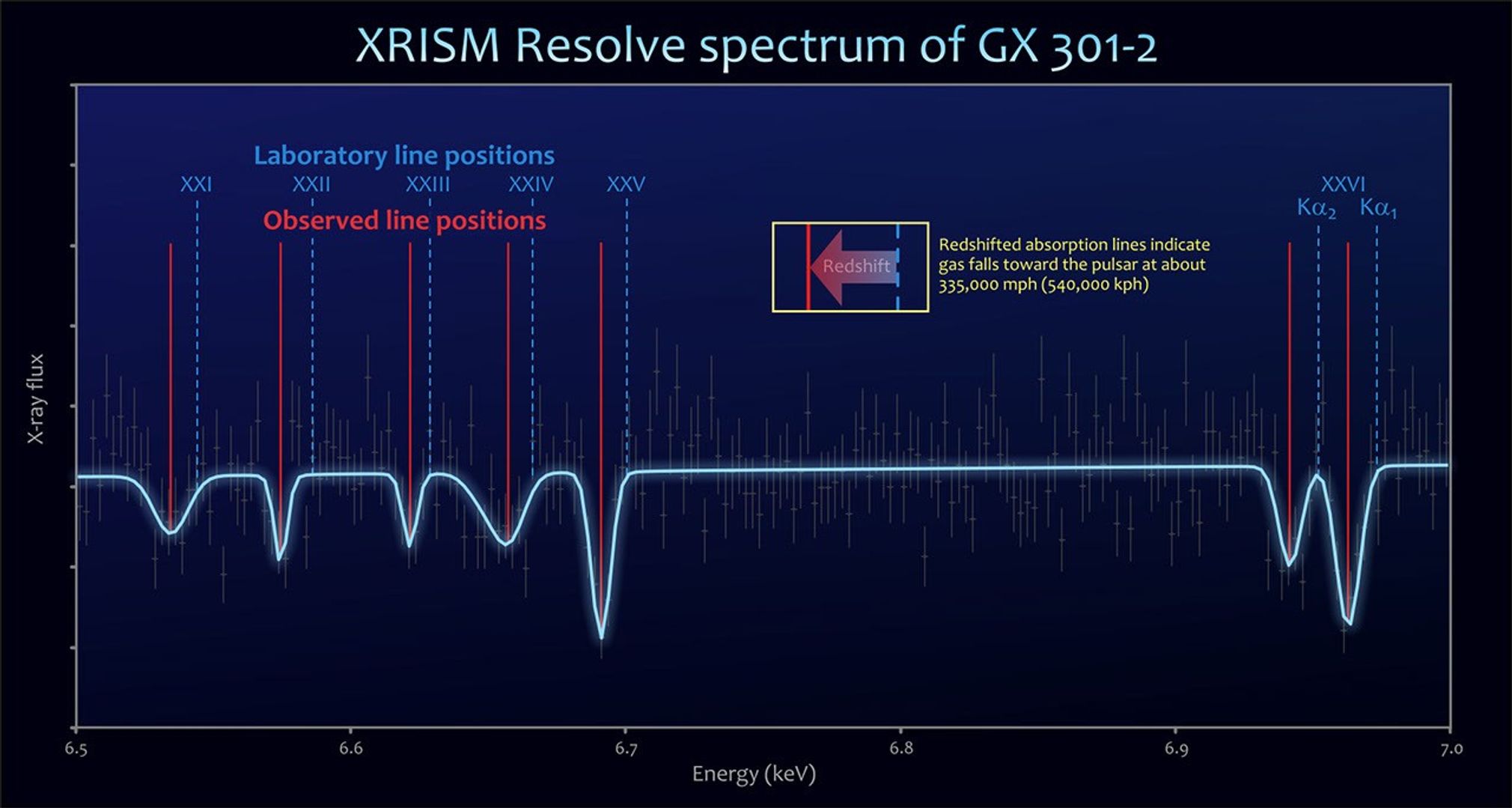
XRISM Mission Observes Pulsar Capturing Stellar Wind From Companion Star
Astronomers using the Japan-led XRISM X-ray observatory say they have directly observed a giant star's outflow being captured by a compact companion, powering intense X-ray flares.
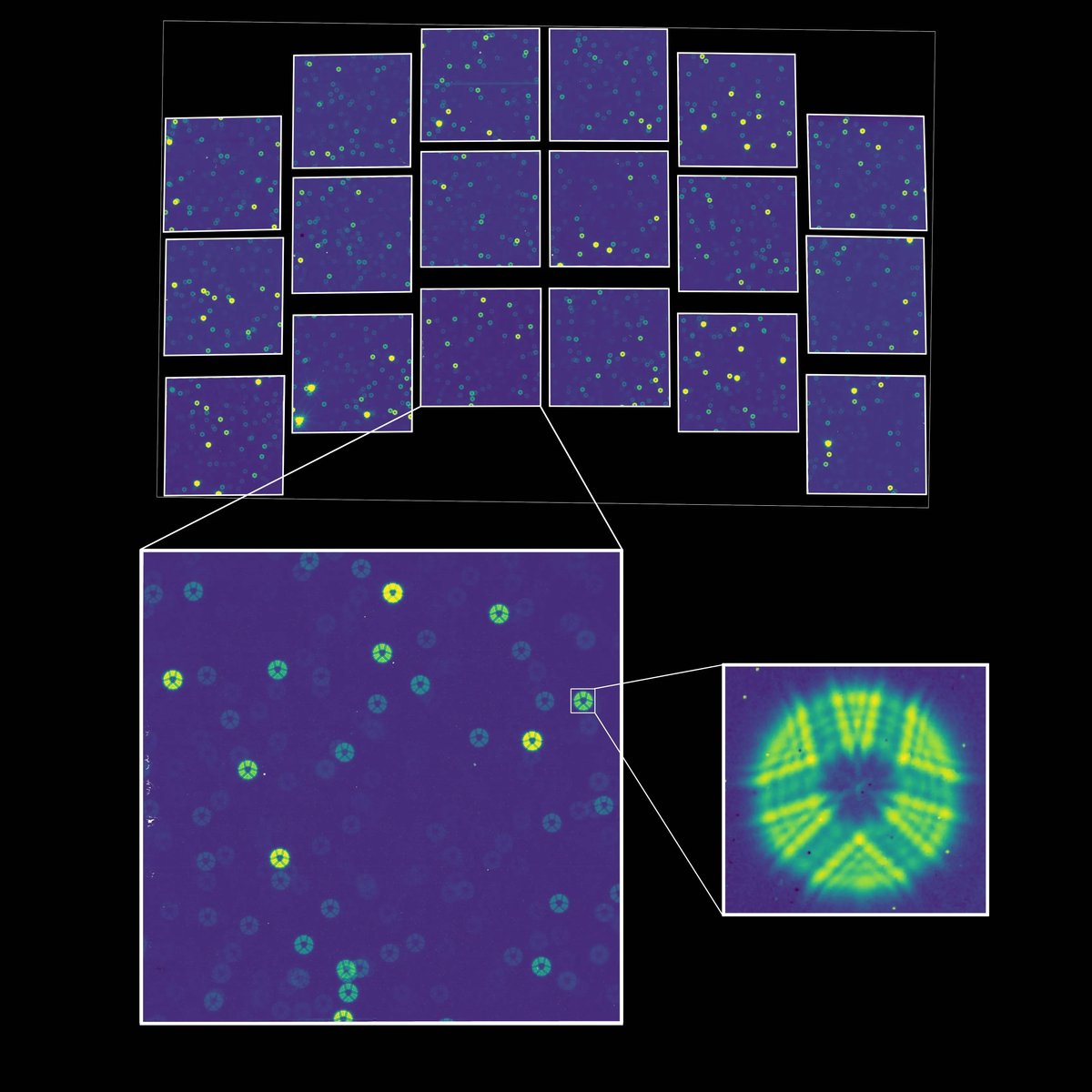
NASA's Nancy Grace Roman Space Telescope Captures First Light
The new observatory, designed to hunt for thousands of exoplanets and probe dark matter and dark energy, has recorded its first cosmic images, according to a report by Scientific American.

Scientific American Traces the Sun's Long Road to Its Eventual Demise
A new feature explores the key stages the sun will pass through before its light finally fades, billions of years from now.
Comments
Loading comments…