Scientific American Examines How a Looming 'Super El Niño' Could Intensify Himalayan Warming
Following a major natural disaster in the region, climate observers are turning their attention to how an anticipated strong El Niño event might further heat the Himalayas.
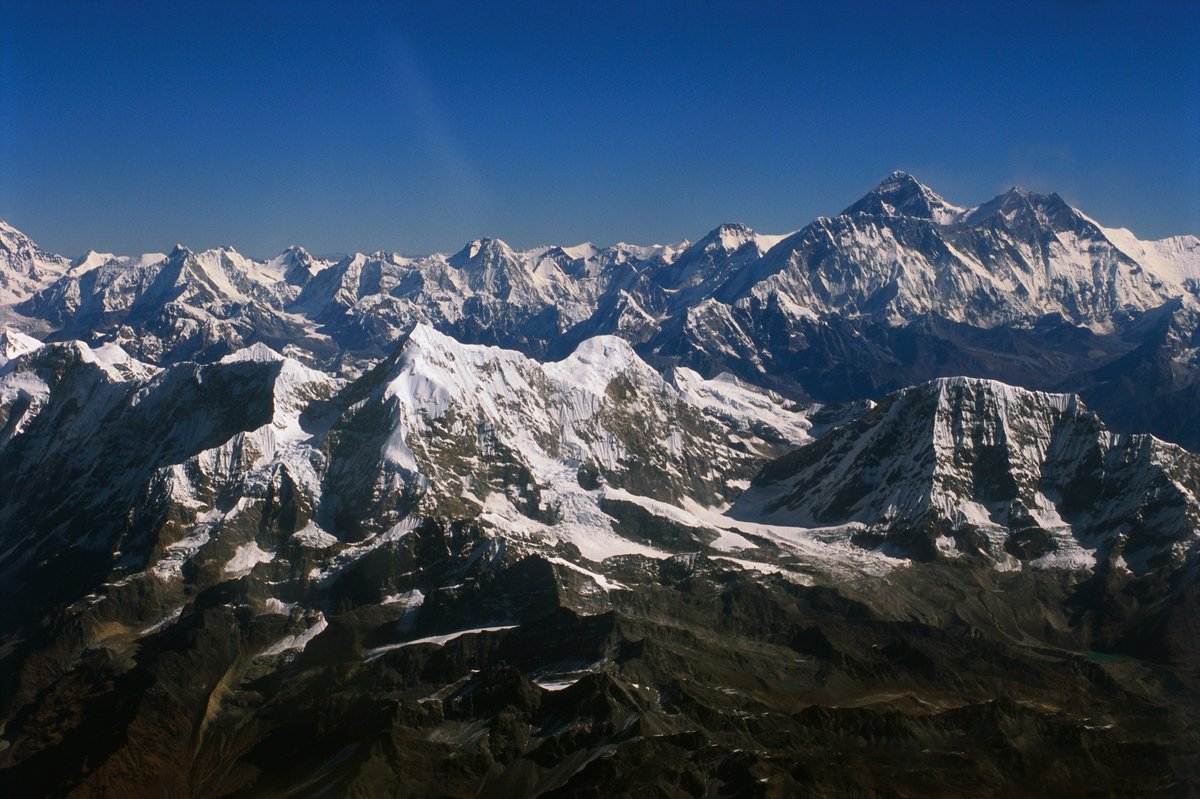
A report published by Scientific American examines concerns that an approaching strong El Niño weather pattern could accelerate warming trends in the Himalayan region, according to the publication.
The article's publication follows what Scientific American describes as one of the worst natural disasters in the region's recent history, though specific details of that disaster were not elaborated in the available excerpt.
According to the outlet, attention is now shifting toward the potential effects of a so-called 'super El Niño'—a particularly intense phase of the El Niño-Southern Oscillation, a naturally occurring climate pattern known to influence global weather and temperature patterns.
El Niño events are generally associated with warmer sea surface temperatures in parts of the Pacific Ocean and can influence weather patterns worldwide, including in mountainous regions such as the Himalayas, according to established climate science.
Scientific American's report suggests that the combination of an intense El Niño event with existing climate change trends could contribute to further warming in the Himalayan region, though the full scope of specific findings, data, and expert commentary referenced in the original article could not be independently verified from the available excerpt.
The Himalayan region has been the subject of increasing climate research due to its sensitivity to temperature changes, which can affect glacier melt, water resources, and the frequency of natural hazards in the area.
Further details on the disaster referenced and the specific mechanisms by which El Niño might affect the region were not available in the source excerpt reviewed for this report.
المصادر
- How the super El Niño could turbocharge warming in the Himalayas — Scientific American
يلخّص EGazette تقارير من مصادر متعددة؛ اتبع الروابط للاطلاع على الأصل.
مقالات ذات صلة

تغير المناخ عامل رئيسي في فيضانات نيبال التي أسفرت عن مقتل أكثر من 1,400 شخص، وفقاً للعلماء
يعزو العلماء الفيضانات المدمرة إلى تغير المناخ، حيث بلغ عدد الوفيات 1,446 شخصاً وآلاف آخرون لا يزالون في عداد المفقودين.
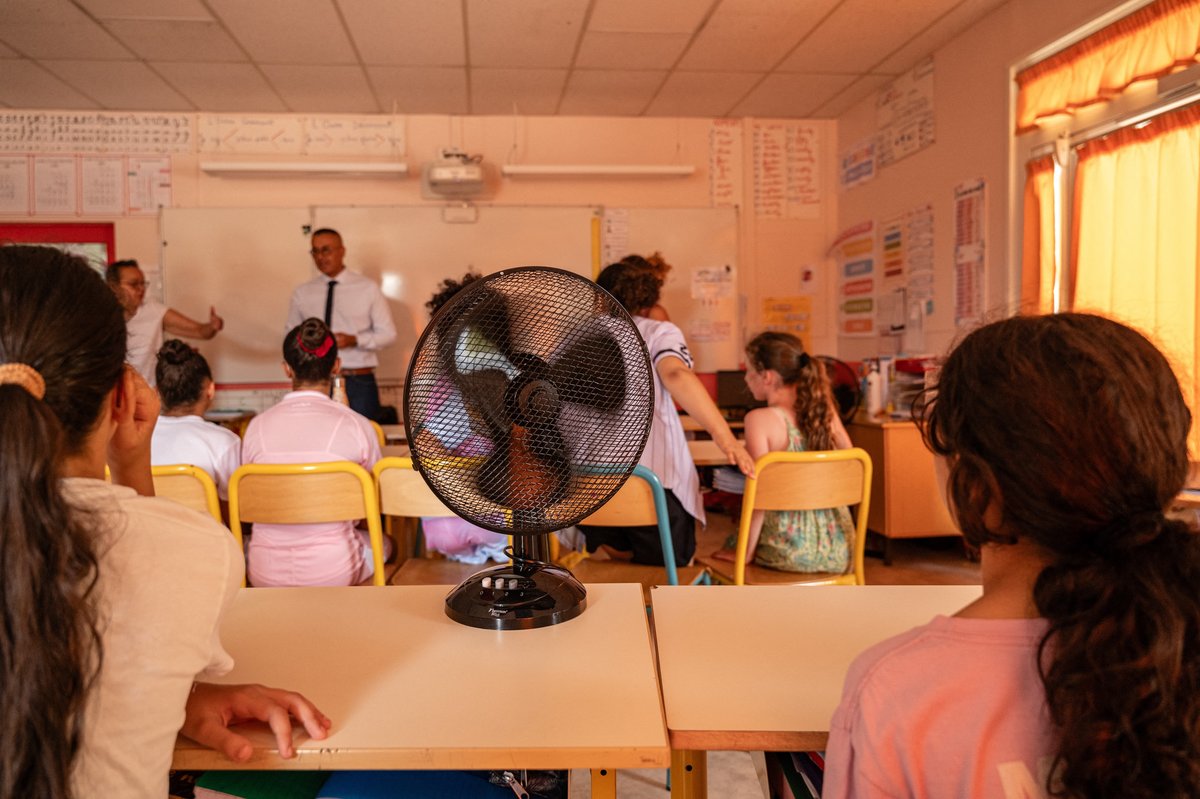
ارتفاع درجات الحرارة مرتبط بتراجع التحصيل الدراسي للطلاب، وفقاً لتقرير ساينتفك أمريكان
يفيد تقرير من ساينتفك أمريكان بأن هناك أدلة متزايدة على أن درجات الحرارة المرتفعة تقوض قدرة الطلاب على التعلم في الفصول الدراسية.

زلزال بقوة 6.3 درجات يضرب ألاسكا
ضرب الزلزال منطقة نيكولسكي؛ لا توجد تقارير فورية عن وقوع خسائر في الأرواح أو أضرار كبيرة

المزارعون في زيمبابوي يتبنون تقنيات توفير المياه استعدادا لجفاف الإل نينيو المتوقع
تلجأ المجتمعات في زيمبابوي إلى الاستزراع المائي وجمع مياه الأمطار لحماية المحاصيل وسط تحذيرات من خبراء الطقس بشأن جفاف مرتبط بظاهرة الإل نينيو، وفقا لتقرير لقناة فرانس 24.
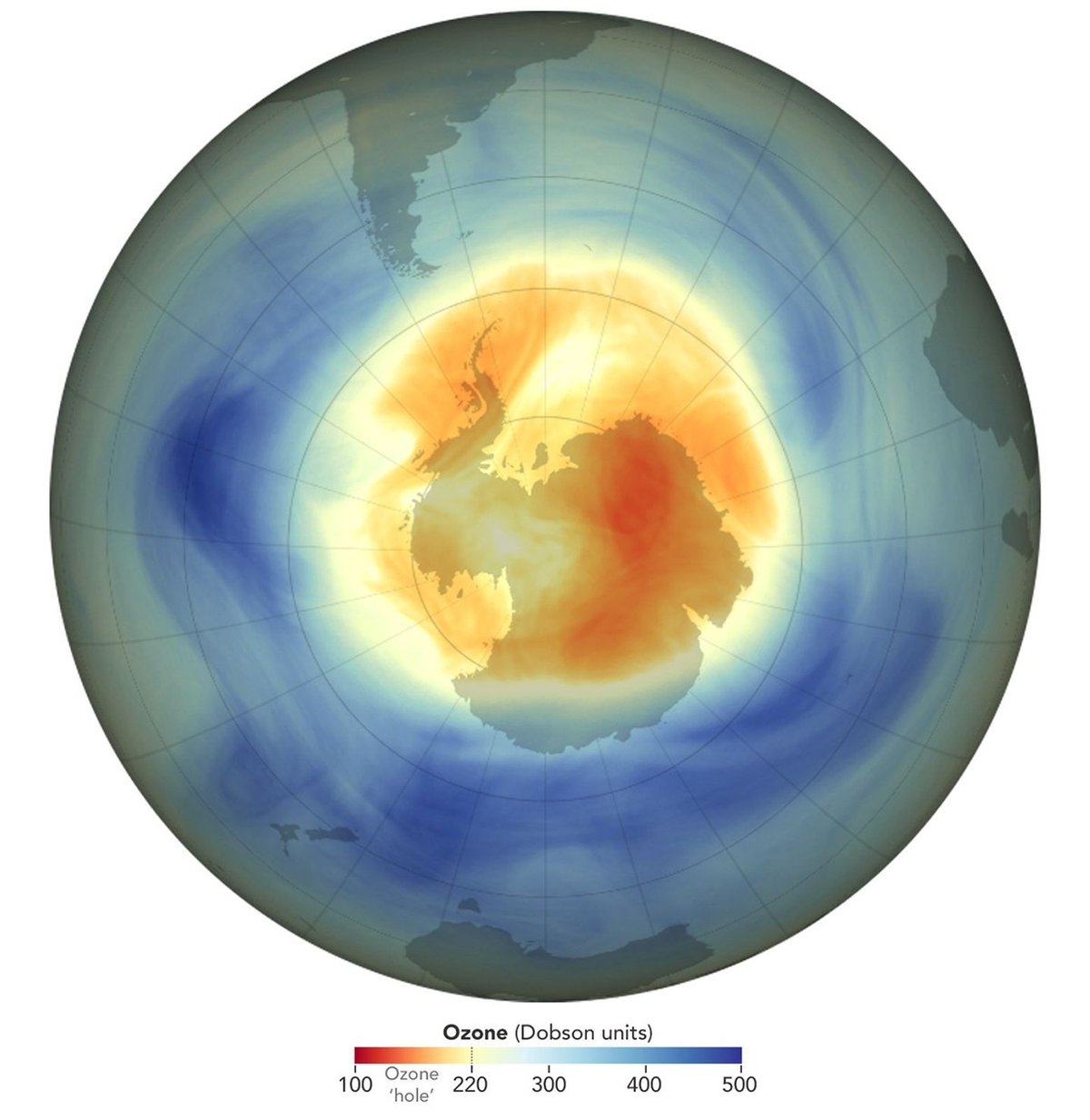
استمرار تعافي طبقة الأوزون، لكن الأحوال الجوية القاسية قد تبطئ وتيرة التعافي، وفقاً لتقرير
تشير مجلة ساينتفك أمريكان إلى أنه بينما يستمر ثقب الأوزون فوق القارة المتجمدة الجنوبية في الانكماش، فإن ظواهر الطقس القاسية المرتبطة بالمناخ قد تعقّد عملية الشفاء التي استغرقت عقوداً من الزمن.

إنتاج الخمر الفرنسي يقترب من أدنى مستوياته منذ 70 عاماً وسط ضغوط مناخية
الموجات الحارة والجفاف يدفعان الإنتاج الفرنسي للخمر نحو أدنى مستوياته في سبعة عقود، مما يدفع الصناعة إلى التفكير في أسواق ومنتجات وإستراتيجيات جديدة، وفقاً لـ CNBC.
Comments
Loading comments…