Saudi Arabia Moves to Restart Key Pipeline as Oil Market's Safety Net Frays
Analysts cited by CNBC warn that crude prices could rally sharply if the East-West Pipeline stays offline beyond a five-to-seven-day inventory buffer.
Saudi Arabia is working to restore operations at a key oil pipeline, according to a report published by CNBC on Monday, as concerns grow over the stability of global crude supplies.
The report, titled "Oil's safety net is fraying as Saudi Arabia races to restart a key pipeline," did not specify the cause of the pipeline's disruption but noted that the outage has raised alarm among market analysts monitoring the kingdom's export capacity.
According to CNBC, analysts have cautioned that oil prices could rise sharply if the pipeline remains offline for longer than an estimated five-to-seven-day inventory cushion that currently exists in the market.
The report's headline referenced the East-West Pipeline, a critical infrastructure link that allows Saudi Arabia to transport crude oil from its eastern oil fields to the Red Sea coast, bypassing the Strait of Hormuz. The URL of the CNBC report also referenced Iran, though further details on any connection between the pipeline situation and Iran were not included in the available excerpt.
Saudi Arabia is the world's largest oil exporter and a key member of the OPEC+ group of producing nations. Any disruption to its export infrastructure is closely watched by global energy markets given the kingdom's outsized role in supplying crude to international buyers.
CNBC's report indicated that the situation remains under close watch by market participants, with the five-to-seven-day inventory buffer cited as a critical threshold that could determine the market's reaction in the days ahead.
Further details on the specific nature of the pipeline disruption, its cause, and the timeline for a full restart were not immediately available in the source material.
Sources
EGazette summarizes reporting from multiple sources; follow the links for the originals.
Related articles

Jordan, Bahrain Condemn Houthi Attacks on Saudi Arabia
The two nations reaffirm solidarity with Riyadh following reported drone interceptions and security alerts.
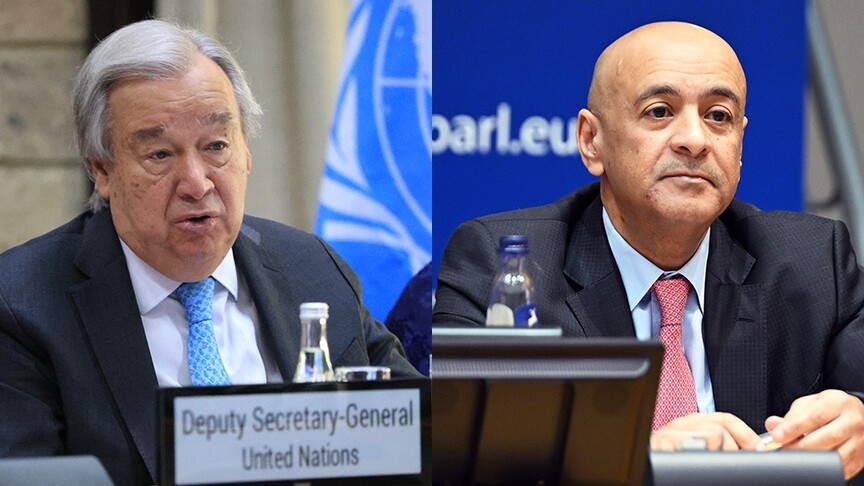
UN, GCC leaders condemn Houthi attacks on Saudi Arabia
UN Secretary-General Antonio Guterres and Gulf Cooperation Council chief Jasem Mohamed Albudaiwi said the attacks on civilian infrastructure threaten regional stability.

Iran Sets Terms for Peace as Saudi Forces Block Attack on Riyadh
Tehran's security chief has outlined conditions for ending conflict, including cessation of hostilities and removal of U.S. naval restrictions.
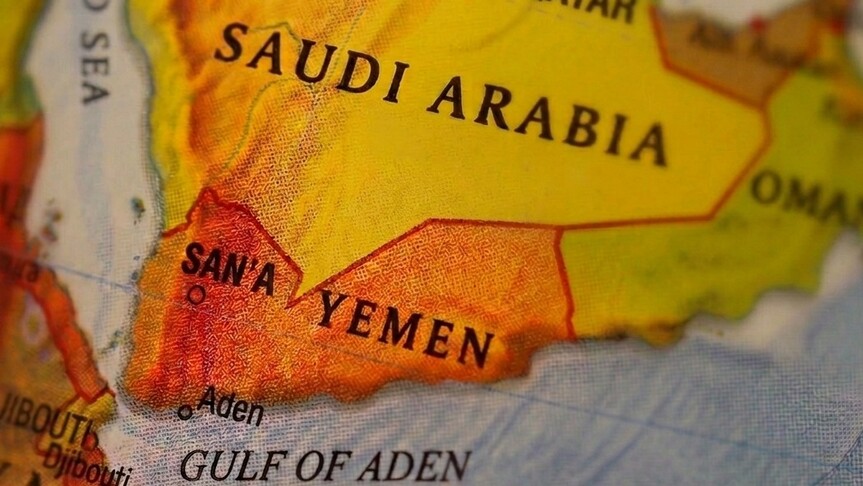
Yemen Says It Is Not an Iranian Bargaining Chip, Calls Ties With Saudi Arabia 'Firm'
Yemen's foreign minister says restoring state institutions is central to the country's security and to regional stability, including the safety of maritime routes.

Saudi Arabia reports thwarting Houthi missile attack on Riyadh
A Saudi-led coalition says it intercepted a missile fired by Houthi forces targeting the capital.

Houthis say they targeted Saudi capital with ballistic missiles
A reported strike on a fuel depot at Riyadh airport caused delays on Saturday, as conflict between Saudi Arabia and the Yemen-based group continues.
Comments
Loading comments…