Russian Flour Exports Expected to Hold Steady at 528,000 Tonnes in 2026
A forecast from the Russian Union of Flour Mills and Cereal Plants projects flour exports will remain near last year's level in 2026.
Russian flour exports are expected to remain roughly at last year's level in 2026, according to a forecast presented by Igor Sviridenko, president of the Russian Union of Flour Mills and Cereal Plants.
The forecast, included in a presentation by Sviridenko, projects that Russian flour exports in 2026 will total around 528,000 tonnes, suggesting relative stability in the sector's export volumes compared with the previous year.
Russia is one of the world's largest grain producers and exporters, and its flour milling industry represents a downstream segment of that broader agricultural export base. Export volumes in the sector can be influenced by factors including domestic wheat harvests, global demand from importing countries, and logistical or trade conditions affecting shipments.
The presentation did not detail which countries are expected to be the primary destinations for Russian flour exports in 2026, nor did it specify factors behind the projected stability rather than growth or decline in volumes.
Industry forecasts such as this one are typically used by producers and trade bodies to guide planning decisions, though actual outcomes can diverge from projections depending on market conditions over the course of the year.
Sources
EGazette summarizes reporting from multiple sources; follow the links for the originals.
Related articles
Russia's Coal Production Forecast to Rise 49% by 2050 to 662 Million Tons
A forecast projects Russian domestic coal supplies climbing from 179 million tons in 2024 to 199.2 million tons by 2030, part of a broader long-term production increase.
Russia projects 77% rise in coal exports by 2050
Russian coal imports are planned at 13 million tons in 2030, dropping to 12 million tons annually by 2036 and 2050, under a target scenario.

Russia's share of global coal exports seen rising to 27% by 2050
Coal industry could contribute $42.7 billion to Russian GDP in nominal prices by 2050, according to projections.
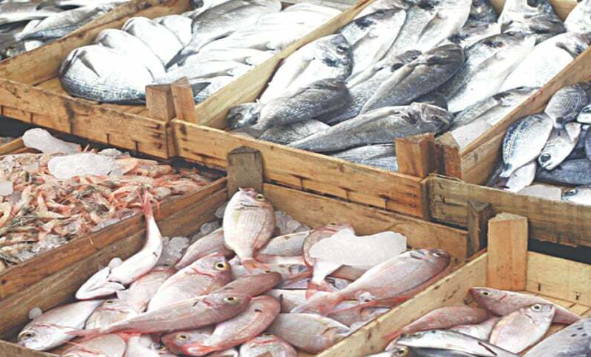
Fish and Meat Exports Grow in First Two Months of Pakistan's FY27
Exports of fish and fish preparations rose 3.23 percent compared with the same period last year, according to official data.
Russia Ranks Sixth Worldwide in Copper Reserves as Prices Hit Record High
Copper futures for December 2026 delivery rose 2.44% to $6.9275 per pound, reaching an all-time high.
Russian PM Mishustin Stresses Balanced Approach to Financial Market Development
Mikhail Mishustin said new infrastructure is becoming a main driver of change in Russia's financial sector, TASS reports.
Comments
Loading comments…