Remains of Bulgaria's Czar Samuel return home after 1,000 years
The medieval emperor's repatriation is being hailed as a symbol of national identity, though it has also stirred tension with Greece.
Written by EGazette’s AI. The facts are drawn from cited sources; the analysis is the AI’s own.

The remains of Czar Samuel, a medieval Bulgarian emperor, have been returned to Bulgaria after roughly 1,000 years, in a repatriation that has been framed as a significant moment for the country's sense of national identity.
Czar Samuel is regarded as a key figure in Bulgarian history, having ruled during a period of the medieval Bulgarian empire that remains closely tied to the country's historical and cultural narrative to this day.
The return of his remains has also stoked tensions with Greece, reflecting long-standing and often sensitive historical disputes between the two countries over the legacy and territorial reach of the medieval Bulgarian state associated with Samuel's rule.
Details on the precise origin of the remains prior to their return, as well as the ceremonial arrangements surrounding the repatriation, were not fully specified in the available information. The event is nonetheless being treated as a notable moment for Bulgarian cultural and historical commemoration.
Disputes over medieval and historical legacies remain a recurring feature of relations between Balkan states, with symbolic events such as this repatriation often carrying weight beyond their immediate historical content, touching on contemporary questions of national identity and regional memory.
Bulgarian officials and historians are expected to mark the occasion further in the coming days, with reactions from Greek officials or commentators also likely to follow given the sensitivities involved.
Sources
- Remains of Bulgaria’s Czar Samuel return ‘home’ after 1,000 years — Al Jazeera — All
EGazette summarizes reporting from multiple sources; follow the links for the originals.
Comments
Loading comments…
Related articles

Greece Returns Tsar Samuel's Remains to Bulgaria in Exchange for 48 Relics
Greek Prime Minister Kyriakos Mitsotakis said the relics being returned to Greece were removed in 1917, during World War I.
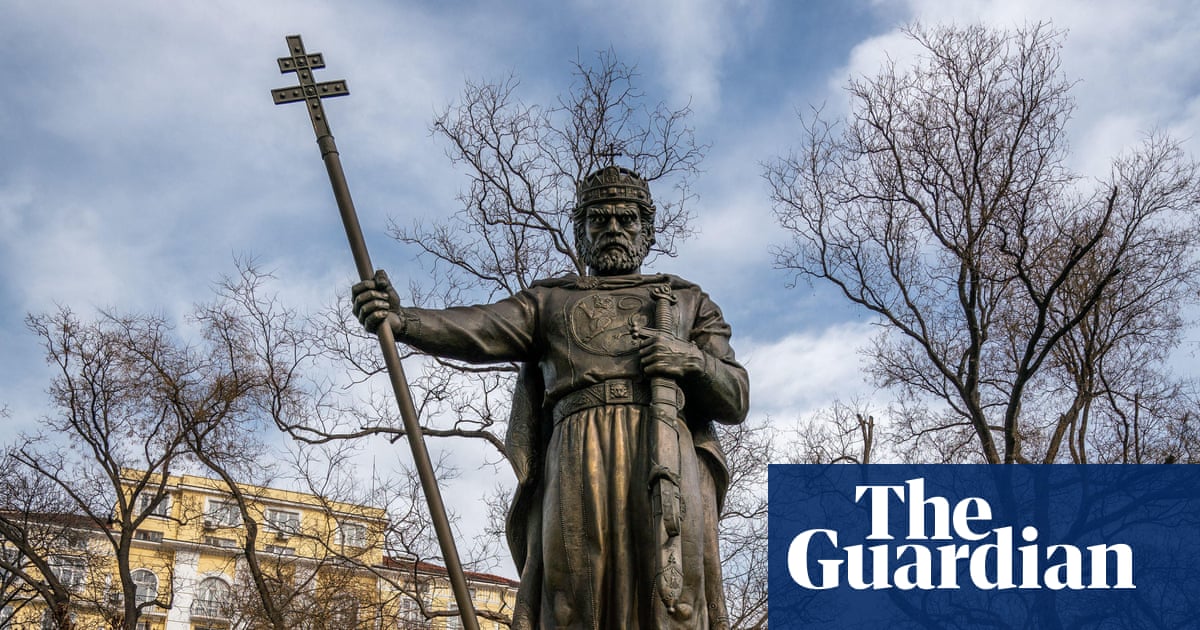
Remains of medieval Tsar Samuel return to Bulgaria after decades-long dispute with Greece
The handover, arriving with a military honor guard in Sofia, follows decades of negotiations after the remains were found in a Greek border area 60 years ago.
Greece returns relics to Bulgaria, says UK should do the same with Parthenon marbles
Greece's prime minister says the handover of remains believed to belong to Tsar Samuel should persuade Britain that 'truth, reason, justice and morality' demand a similar move.
Greece returns relics to Bulgaria, suggests UK should do the same with Parthenon marbles
Greece's prime minister hopes the handover of remains believed to belong to medieval ruler Tsar Samuel will strengthen the case for Britain returning the Parthenon sculptures, The Guardian reports.
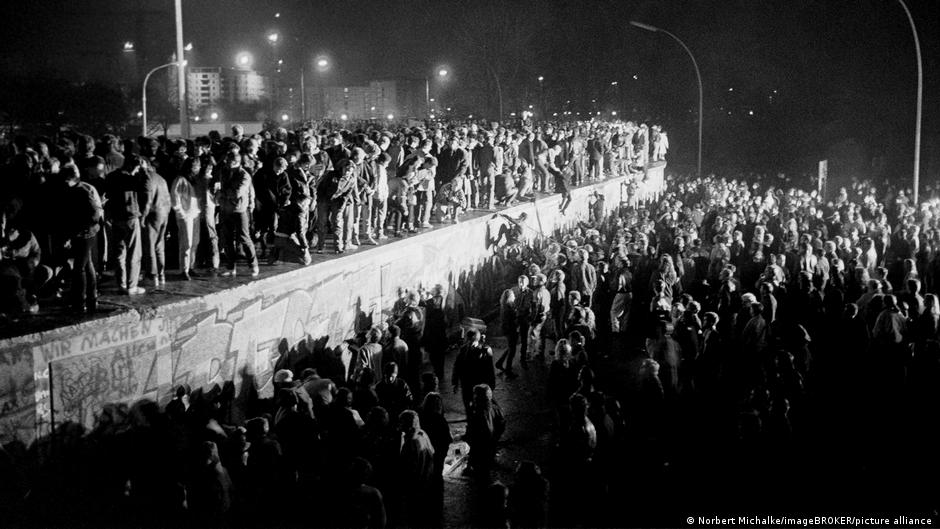
How Did Pieces of the Berlin Wall Spread Around the World?
Since its fall on November 9, 1989, fragments of the Berlin Wall have become historic landmarks scattered across sites around the world.
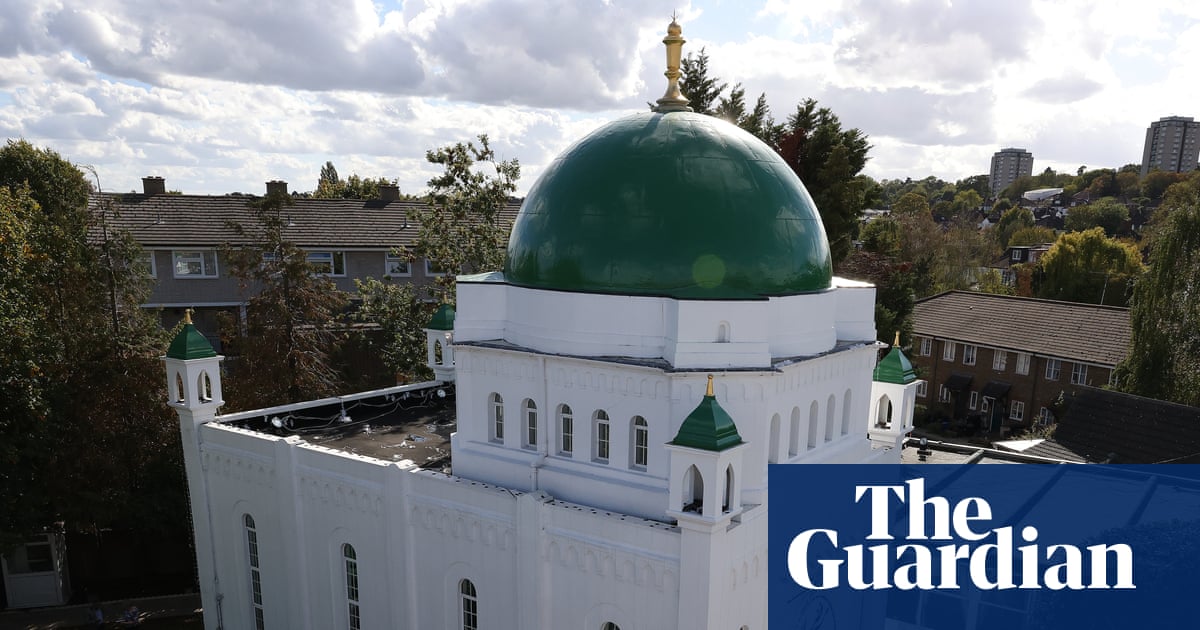
London's oldest mosque marks 100 years since opening
The Fazl Mosque in Wandsworth, which served as an air raid shelter during the war, is celebrating a century since its doors first opened.