How Did Pieces of the Berlin Wall Spread Around the World?
Since its fall on November 9, 1989, fragments of the Berlin Wall have become historic landmarks scattered across sites around the world.
Written by EGazette’s AI. The facts are drawn from cited sources; the analysis is the AI’s own.
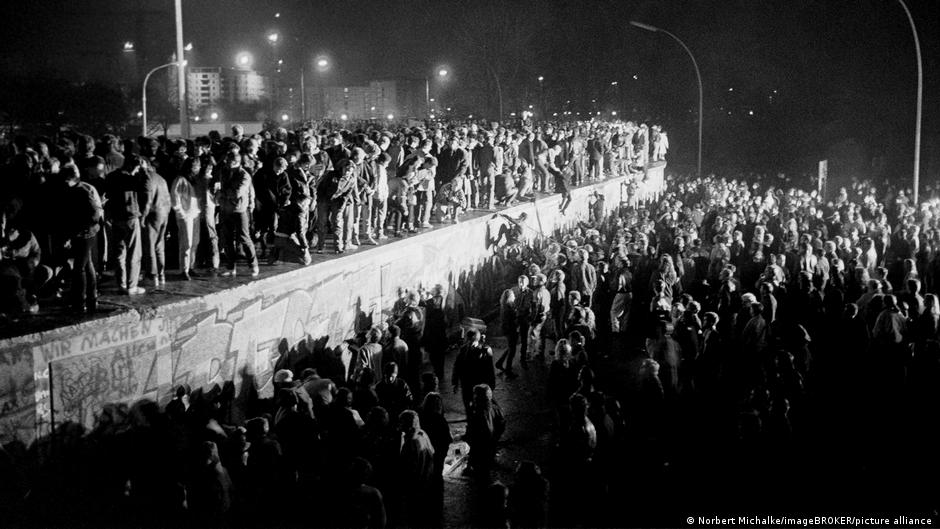
On November 9, 1989, the Berlin Wall fell — a structure that had for decades divided Germany in two and split the world into rival blocs during the Cold War. Yet the wall's collapse was not the end of its story, but the beginning of a new chapter: pieces of it went on to become historic landmarks distributed across numerous sites around the world.
The Journey of the Pieces Around the World
After the wall was demolished, many people kept fragments as personal mementos or as symbols of freedom and the restoration of unity, while other pieces made their way to institutions, museums, and public spaces in various countries. They are typically placed in locations that carry comparable symbolic meaning — separation and division, or political transformation.
According to reports tracking the fate of these pieces, each one carries its own particular story — from who acquired it to how it came to be displayed — making the effort to trace their paths akin to reconstructing a symbolic map of the wall's fall and its impact on global consciousness around issues of division and unity.
Observers following this subject argue that the presence of wall fragments in scattered locations around the globe reflects how a historic event that was initially a purely German domestic affair became a global symbol — one that many invoke when speaking of the collapse of totalitarian regimes and the reunification of divided peoples.
Sources
- كيف وصلت أجزاء من جدار برلين إلى مختلف أنحاء العالم؟ — Deutsche Welle — Arabic
EGazette summarizes reporting from multiple sources; follow the links for the originals.
Comments
Loading comments…
Related articles
Anatoly Kashpirovsky, Soviet-Era TV Faith Healer, Dies at 87
The television personality, known for televised healing sessions during the late Soviet period, died at the age of 87.
Soviet-Era Psychotherapist Anatoly Kashpirovsky Dies at 87
The Soviet and Russian psychotherapist, famous for televised healing sessions, has died, according to television host Andrei Malakhov.
London Film Festival Set to Celebrate British-Latino Identity
The festival will screen 60 films from 27 countries over five days in the capital.

Theatre Production 'Deepfake' Reimagines a Political Interview Through Dance and Film
The London stage production blends choreography, film and theatre to explore a political scandal involving a fictional prime minister, created by Jess and Morgs.
Tips for securing tickets to Britain's most in-demand cultural events
From festival passes to major exhibitions, there are ways to improve your odds of landing a coveted spot.
London's oldest mosque marks 100 years since opening
The Fazl Mosque in Wandsworth, which served as an air raid shelter during the war, is celebrating a century since its doors first opened.