Readers Debate Whether Englishness Is Defined by Ethnicity
Letters respond to a piece on national identity, with contributors reflecting on their own experiences of being accepted — or not — as English based on their ethnic background.
Written by EGazette’s AI. The facts are drawn from cited sources; the analysis is the AI’s own.
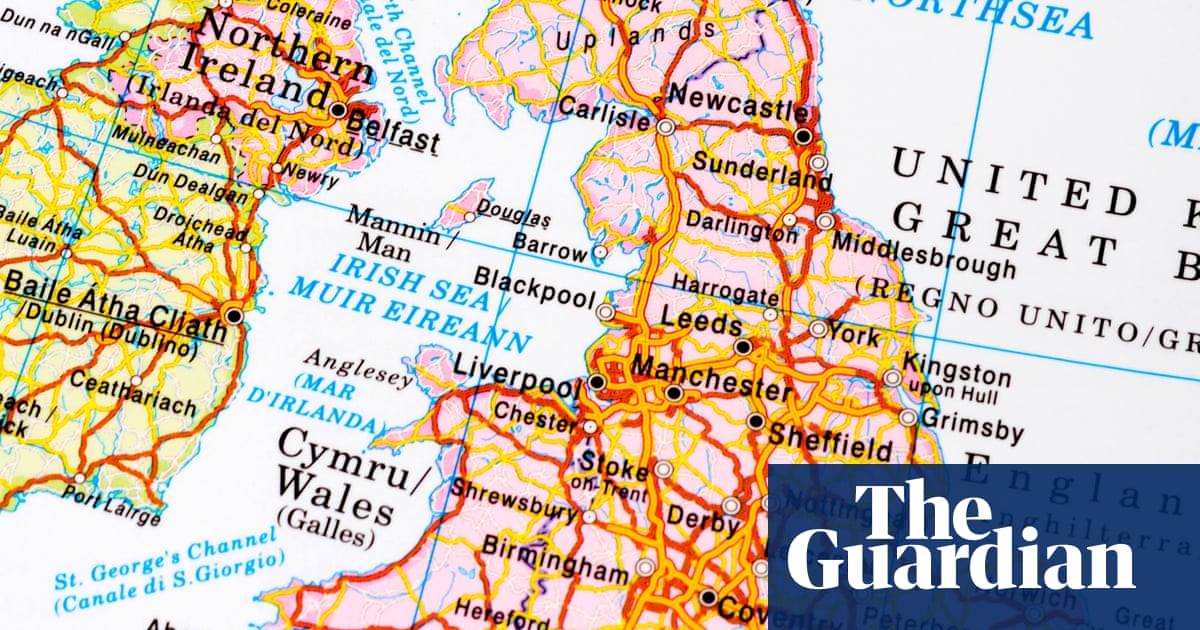
A series of reader letters responded to a recent piece examining whether English identity is tied to ethnicity, with several contributors sharing personal experiences on the question of national belonging.
One letter writer, Maariyah Seedat, raised the question of at what point her family might be considered "English" enough, reflecting a broader theme among the responses about the conditions attached to claiming an English identity.
Diverging views on identity
Another contributor, Mark James Slater, wrote that he has always identified as British rather than English, illustrating a divide among readers over which label feels more inclusive or accurate to describe their sense of national belonging.
Additional letters came from readers including Dr Richard Seabrook and Alan Baker, broadening the range of perspectives on the original piece, which had explored why some commentators continue to question whether non-white residents can describe themselves as English.
One reader described growing up in multicultural Leicester in the 1990s and 2000s and being "corrected" by adults in positions of authority — most of them white — for wanting to call themselves English, eventually settling on "British" as a less contested alternative.
Collectively, the letters reflect an ongoing public conversation in the UK about the boundaries of national identity and whether terms like "English" and "British" carry different connotations tied to race and ethnicity.
Sources
- Englishness is not defined by ethnicity | Letters — The Guardian — Opinion
EGazette summarizes reporting from multiple sources; follow the links for the originals.
Comments
Loading comments…
Related articles

Putin Says Russia Must Look to the Future While Preserving Its Past
Russian President Vladimir Putin said the country should focus on its future while honoring the legacy of those who built it, according to state news agency TASS.
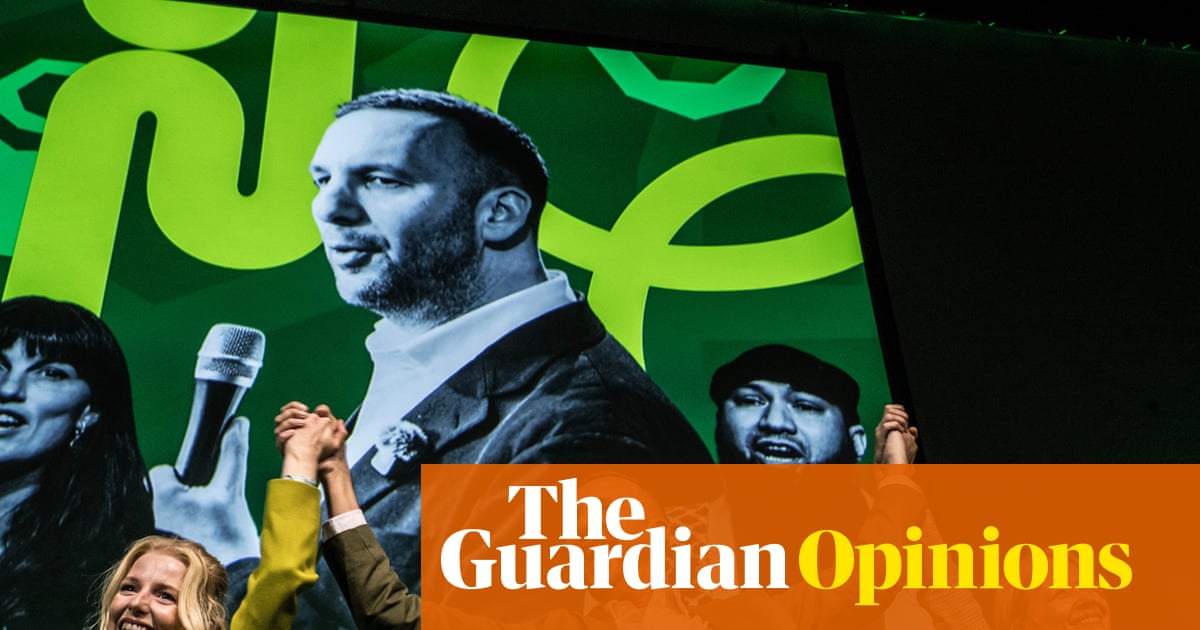
Zack Polanski's Green Party Momentum Faces New Scrutiny Ahead of Byelection
The Green leader's rapid rise in UK polls, fueled by criticism of Labour, is being tested as a key byelection approaches.
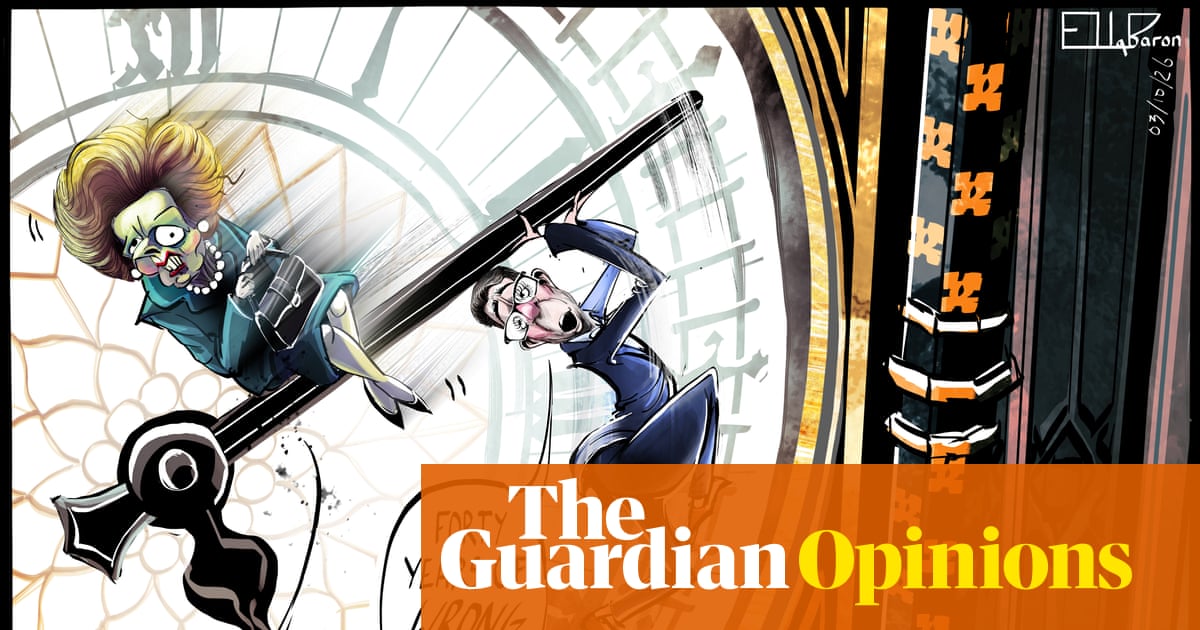
The Guardian publishes Ella Baron cartoon on Burnham and neoliberalism
The cartoon by illustrator Ella Baron addresses the theme of Andy Burnham reversing 40 years of neoliberal policy, according to The Guardian.
Letters: Utilities Are Public Services and Should Not Be Run as Businesses
Readers respond to a proposal to turn utilities into public-benefit companies, arguing that essential services should be treated as public services rather than businesses at all.
Letter: Britain should follow other countries in tapping retirees' expertise
A reader writing to the Guardian says Germany's model of matching retired professionals with firms shows what Britain is missing by letting older workers' experience go to waste.
Letter: Cheaper bus fares should not require owning a smartphone
A reader responding to a Guardian report on schoolchildren facing higher bus fares says the problem extends to anyone who does not use a smartphone app.