Letters: Utilities Are Public Services and Should Not Be Run as Businesses
Readers respond to a proposal to turn utilities into public-benefit companies, arguing that essential services should be treated as public services rather than businesses at all.
Written by EGazette’s AI. The facts are drawn from cited sources; the analysis is the AI’s own.
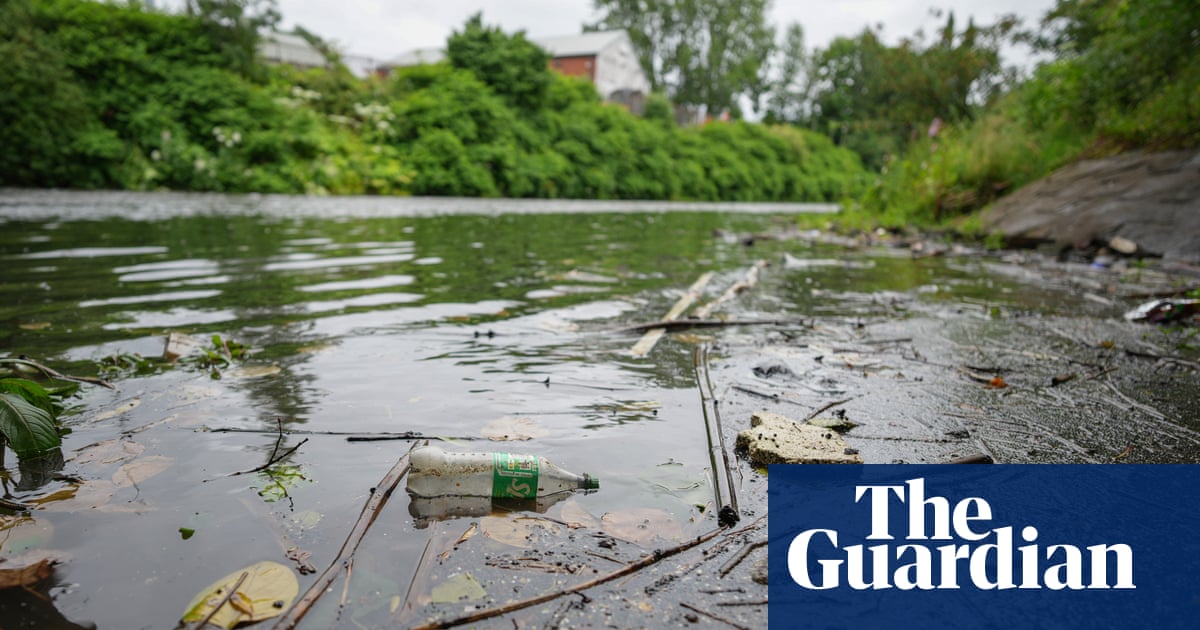
A reader letter responded to a piece by Will Hutton and Andy Haldane that proposed turning utilities into public-benefit companies, arguing that the proposal does not go far enough in rethinking how essential services should be run.
Hutton and Haldane had suggested restructuring utilities so that delivering high-quality services becomes their primary, constitutional objective, with profitability treated as subordinate to that broader goal, while still operating as companies.
A different model
The letter writer argued that utilities should not be run as businesses at all, even with a public-interest mandate, contending that business models are inherently unsuited to delivering services that carry social and environmental responsibilities alongside economic ones.
As an alternative example, the letter pointed to the structure of local government in Scotland prior to the creation of the Scottish Parliament, when regional authorities held powers and responsibilities for a wide range of coordinated functions, including water and sewerage, operated at a strategic regional level for roughly two decades.
The response reflects an ongoing debate in the UK over how best to manage utilities such as water, energy, and sewerage, balancing calls for greater public accountability against different models of ownership and governance.
The letter did not propose a fully detailed alternative structure beyond citing the historical Scottish regional model as a point of reference for how utilities might be organized outside a conventional business framework.
Sources
- Utilities are public services – and should not be run as businesses | Letters — The Guardian — Opinion
EGazette summarizes reporting from multiple sources; follow the links for the originals.
Comments
Loading comments…
Related articles

Germany moves to re-privatize former Gazprom subsidiary SEFE, report says
The energy company, valued at about 6 billion euros, was previously brought under state control following the disruption to Russian energy ties with Europe.

MacIntyre climbs leaderboard with second-round 65 at Alfred Dunhill Links
The defending champion sits three strokes behind halfway leader Casey Jarvis of South Africa.
Wales' first minister calls for new devolution settlement to match Scotland
Rhun ap Iorwerth is pressing for policing, justice and welfare powers to be transferred to Cardiff Bay.

Wales' First Minister Demands New Deal From UK Government to Match Scotland
Rhun ap Iorwerth is calling on Andy Burnham and the UK government to devolve policing, justice and welfare powers to Cardiff Bay, arguing Wales should have the same authority as Scotland.

Andy Robertson Nears 100th Cap for Scotland in Rare Milestone
The Liverpool full-back is set to become only the second player to reach a century of appearances for Scotland, according to the BBC.

Scotland tightens rules on supermarket placement of high-sugar, high-fat products
New restrictions target where unhealthy food can be displayed in stores, though the meal deal remains untouched.