'Poop maxxing': is the online gut-health trend optimizing or obsessing?
A wellness trend dubbed 'poop maxxing' has people tracking and trying to improve their digestive health, raising the question of where healthy curiosity ends and unhealthy fixation begins.
A wellness trend making the rounds online has been given the tongue-in-cheek name "poop maxxing": an effort by some people to closely track and optimize their digestive health, often through diet changes, supplements or self-monitoring of bowel habits. The trend taps into a broader wave of interest in gut health, which has become a popular topic in nutrition and wellness circles in recent years.
Interest in the gut microbiome and its links to overall health has grown substantially as research has connected digestive health to areas ranging from immune function to mood. That growing body of science has helped fuel consumer interest in products and habits marketed as supporting gut health, from fiber-rich diets to probiotic supplements.
Optimization or obsession?
At the same time, the trend raises a familiar question that accompanies many wellness fads: whether the pursuit of an optimized bodily function reflects a reasonable interest in health, or tips into excessive preoccupation. Experts in nutrition and health commonly caution that fixating heavily on a single biomarker or habit, even one grounded in legitimate science, can sometimes do more harm than good, particularly if it leads to restrictive behavior or anxiety.
Digestive health is genuinely influenced by diet, hydration, sleep and stress, meaning that some of the practices associated with the trend, such as eating more fiber or staying hydrated, align with general health guidance. Distinguishing between useful attention to one's health and an unhealthy obsession is less about any single practice and more about the degree of fixation involved and its effect on someone's daily life and wellbeing.
As with many viral wellness trends, the underlying interest in gut health reflects legitimate science, even as the trend's more extreme expressions invite a measure of skepticism from health professionals.
Sources
- When it comes to ‘poop maxxing,’ are you optimizing or obsessing? — Scientific American
EGazette résume des articles de plusieurs sources ; suivez les liens pour les originaux.
Articles liés

Fraises ou cerises ? Lequel est le mieux pour contrôler la glycémie
Une comparaison des fraises et des cerises en termes de teneur en glucides et de leur impact sur la glycémie, avec des recommandations pour les inclure dans une alimentation équilibrée.

Mise à jour : Un expert en nutrition partage des étapes simples pour une alimentation plus saine
Un rapport de France 24 — English expose les principaux détails disponibles, les affirmations étant conservées attribuées à leurs sources.
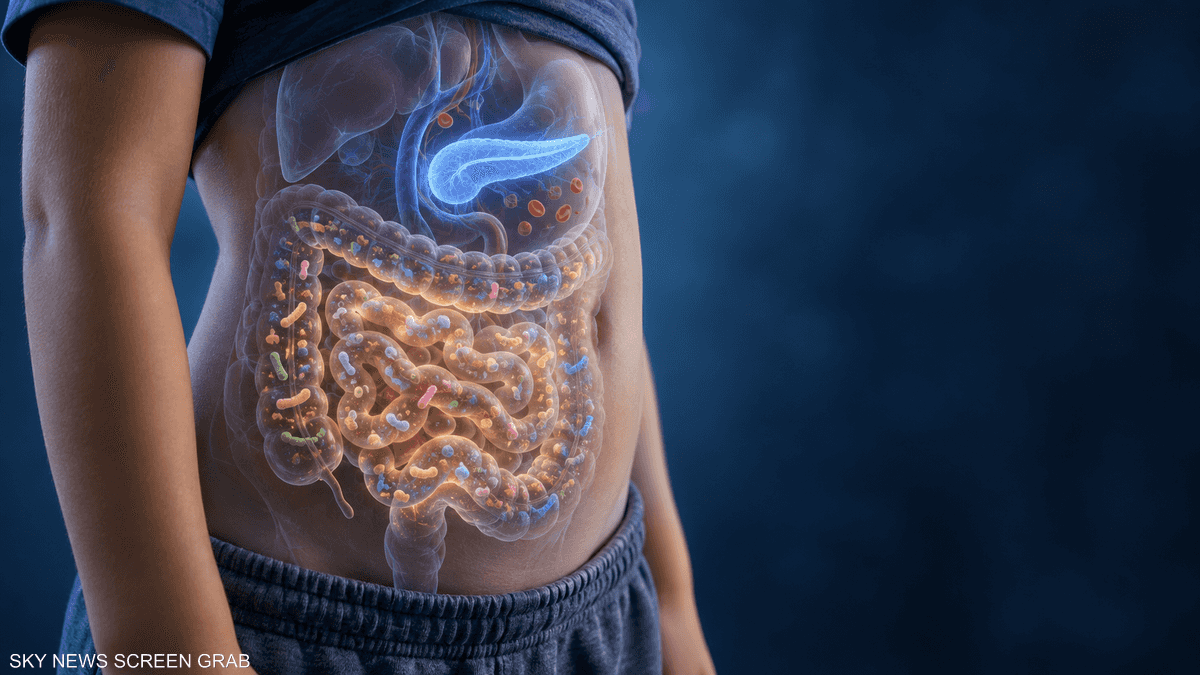
Les bactéries intestinales peuvent-elles révéler le risque de diabète chez les enfants dès le plus jeune âge ?
Des études indiquent que des modifications du microbiome intestinal durant les premières années de vie pourraient être associées à un risque accru de diabète de type 1.

En bref : Le nouveau référent à l’intégrité de Santé publique France a omis de déclarer ses liens avec des firmes pharmaceutiques
Le reportage de Le Monde — Une résume les principaux éléments disponibles, en maintenant les affirmations attribuées à leurs sources.

Plus de 170 000 cas respiratoires enregistrés dans une Indonésie envahie par la brume
Plus de 40 000 cas, allant de la toux légère à la pneumonie, concernent des tout-petits, alors que la brume de fumée continue d’affecter le pays.
Rapport : Pas seulement le cœur et les poumons. La pollution de l’air nuit à la santé oculaire
Le rapport Deutsche Welle — Arabic présente les points saillants du matériel disponible sur ce développement, tout en conservant les allégations attribuables à leurs sources.
Comments
Loading comments…