Planned US arms deal would send Israel 40,000 bombs amid proportionality questions
A reported $2.8bn US arms package for Israel has raised questions over whether the scale of the deal is proportionate to the threats it is meant to address.
A planned US arms deal would supply Israel with 40,000 bombs, according to reports, in a package reportedly valued at around $2.8 billion. The scale of the proposed transfer has prompted questions over whether it is proportionate to the security threats Israel says it faces.
Arms sales of this kind typically require approval through the US government's foreign military sales process, and large packages to Israel have periodically drawn scrutiny from lawmakers and rights groups, particularly amid ongoing hostilities in Gaza.
Critics of large-scale munitions transfers to Israel have argued that supplying bombs in such volume risks contributing to further civilian casualties in Gaza, where the humanitarian toll of the conflict has already been extensive. Supporters of continued US military support argue that Israel requires substantial stockpiles to address multiple active security threats in the region.
The debate over the deal reflects a broader and long-running discussion in Washington and internationally over the balance between supporting an ally's military needs and the humanitarian consequences of the weapons supplied being used in densely populated areas such as Gaza.
Details of the precise munitions involved, the timeline for delivery and the deal's final approval status were not fully specified in available reporting. Any such transfer would typically need to clear relevant congressional review processes before weapons are delivered.
The proposed deal comes as international attention remains focused on the humanitarian situation in Gaza, with the question of how allied nations arm Israel continuing to draw debate among policymakers, analysts and advocacy groups.
Sources
- Why does the US want to send Israel 40,000 bombs? — Al Jazeera — All
EGazette summarizes reporting from multiple sources; follow the links for the originals.
Related articles
Lethal autonomous weapons becoming military reality, UN chief states
A report from TASS (Russia) sets out the main available details, with claims kept attributed to their sources.

Report: US to supply allies with weapons 'at faster rate' in near future — President Trump
A report from TASS (Russia) sets out the main available details, with claims kept attributed to their sources.
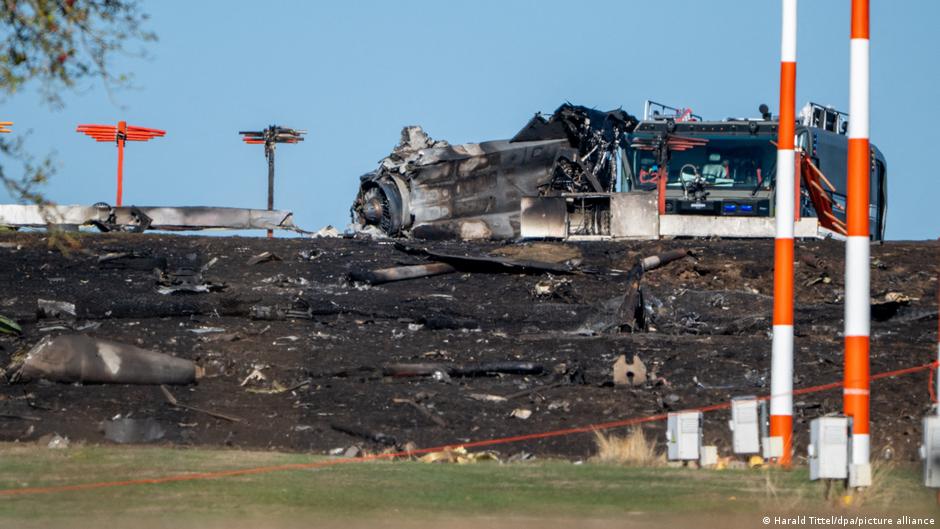
Report: Military aircraft crashes near US air base in Spangdahlem, Germany
A report from Deutsche Welle — English sets out the main available details, with claims kept attributed to their sources.

Report: Red Sox commit to Tracy as long-term manager, keep Breslow through 2030
A report from ESPN sets out the main available details, with claims kept attributed to their sources.
Report: British jets refuel Saudi fighter jets from the air to repel Houthi attacks
The Deutsche Welle — Arabic report presents the highlights of the available material on this development, while keeping the allegations attributable to their sources.

Report: Fantasy basketball: Sleepers, breakouts and busts for 2026-27
A report from ESPN sets out the main available details, with claims kept attributed to their sources.
Comments
Loading comments…