Pezeshkian Addresses UN General Assembly Amid Iran-US Tensions
Iran's president delivered his first UN address since the US and Israel struck his country, a day after President Trump warned Washington could 'annihilate' the Islamic Republic.

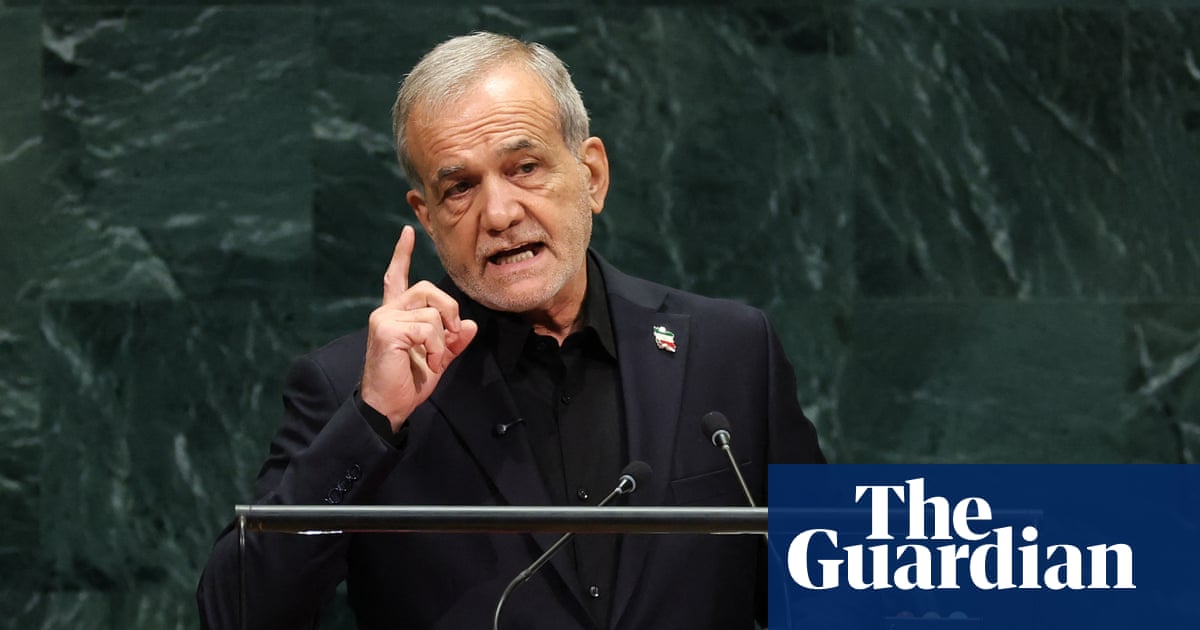
Iranian President Masoud Pezeshkian addressed the United Nations General Assembly on Wednesday in his first speech before the world body since the United States and Israel launched military strikes against Iran earlier this year.
Pezeshkian's address came a day after US President Donald Trump told the UN General Assembly that Washington could "annihilate the Islamic Republic" and "drive them into hell," remarks that reflected sharply escalated rhetoric between the two countries following the conflict.
The Iranian president's appearance at the UN gave Tehran a platform to respond to Trump's warnings and present its position to the international community at a moment of heightened regional tension. Iran has previously accused the US and Israel of unprovoked aggression, while Washington and Israel have pointed to Iran's nuclear program and regional activities as justification for their strikes.
The dueling addresses at the General Assembly illustrate how the world body has become a venue for both countries to make their case publicly, even as direct diplomatic channels between Washington and Tehran remain strained. Further statements from both sides are expected as the General Assembly session continues this week.
Sources
- Iranian president adresses UNGA amid war with US — France 24 — English
EGazette summarizes reporting from multiple sources; follow the links for the originals.
Related articles
Iran's Pezeshkian Says Iranians Have Been 'Victims of Terrorism' by US, as Delegation Walks Out
Iranian President Masoud Pezeshkian said his country has only defended itself, in remarks to the UN General Assembly during which a US delegation walked out.
Iran's president criticizes Trump as 'bully' in UN speech, signals openness to talks
Masoud Pezeshkian said Tehran is ready for dialogue and diplomacy but not under the language of force.
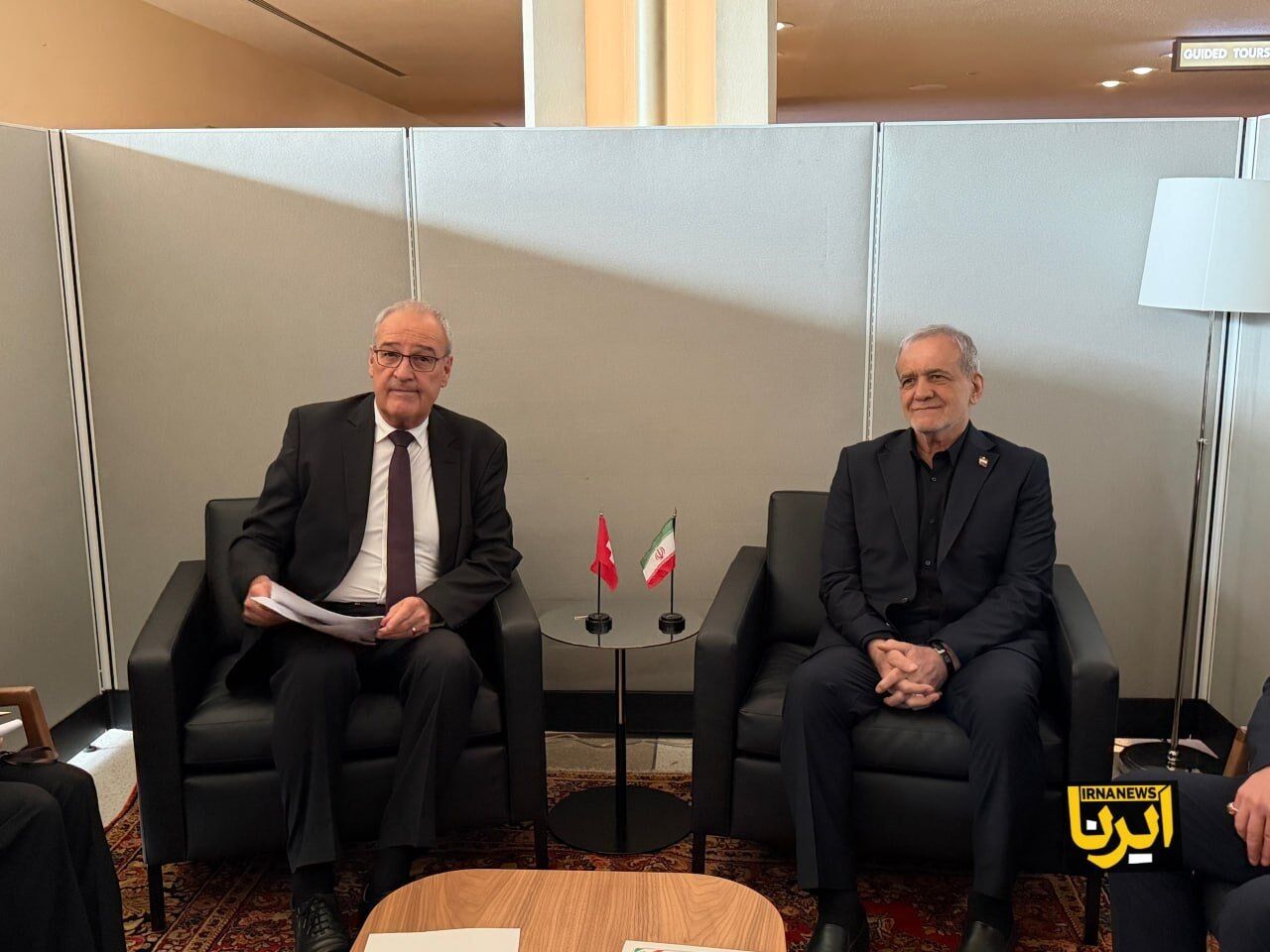
Pezeshkian Holds First New York Bilateral Meeting With Swiss President
Iranian President Masoud Pezeshkian met with Swiss President Guy Parmelin in his first round of bilateral talks during his visit to New York.

Iran Will 'Never Bend at the Knee,' Pezeshkian Tells UN in Wartime Address
Iranian President Masoud Pezeshkian accused the US of terrorism against Iran while calling for diplomacy, France 24 reported.
Pezeshkian Tells UN Iran Open to Talks but Rejects 'Language of Force'
Addressing the UN General Assembly, the Iranian president said Iran is not pursuing nuclear weapons but insists on its right to peaceful nuclear technology.
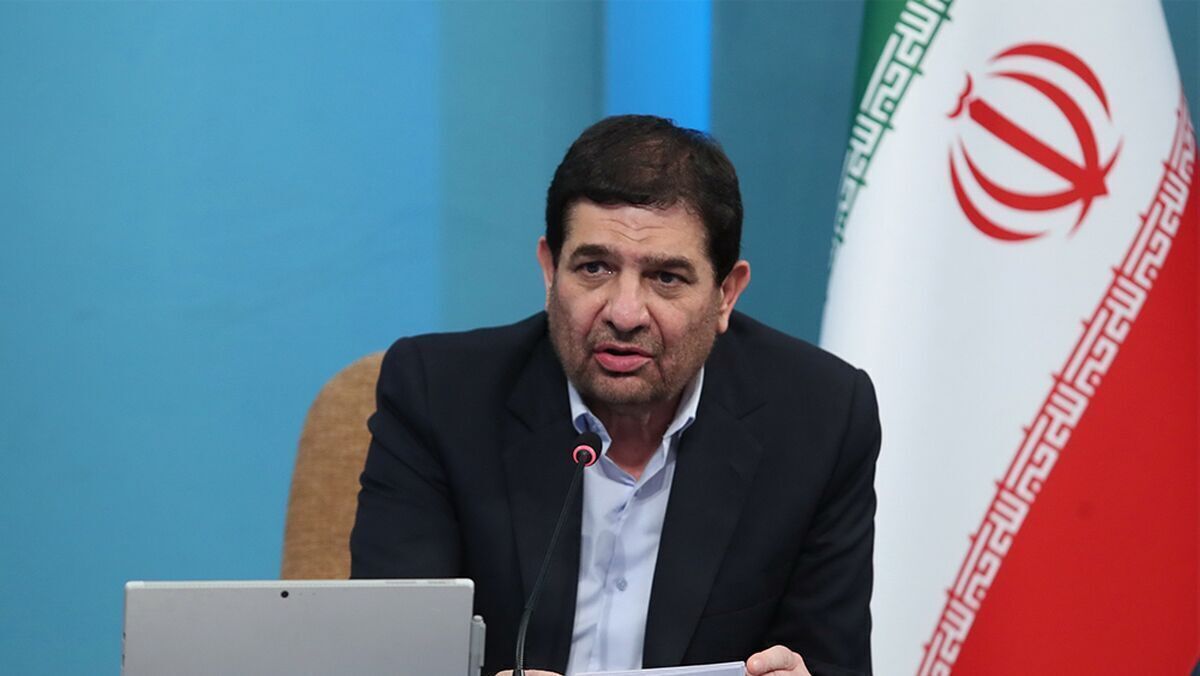
Iranian Leader's Advisor Praises Pezeshkian's UN Address as 'Voice of All Iranians'
A senior advisor said President Masoud Pezeshkian offered a firm and well-reasoned representation of Iran at the General Assembly.
Comments
Loading comments…