Palo Alto Networks CEO Says Slowing Down AI Development Is 'Unrealistic'
Nikesh Arora said the risk of AI causing human extinction is "extremely small," aligning with Nvidia's Jensen Huang but diverging from the heads of Anthropic and OpenAI.

Palo Alto Networks CEO Nikesh Arora said slowing down the development of artificial intelligence is "unrealistic" and that the risk of the technology posing an extinction-level threat to humanity is "extremely small."
Arora's comments place him closer to the position staked out by Nvidia CEO Jensen Huang, who has similarly downplayed the most severe warnings about AI risk. His view diverges from that of the leaders of Anthropic and OpenAI, who have previously voiced greater caution about the potential dangers of increasingly powerful AI systems.
A divide among tech leaders
The comments highlight an ongoing divide among prominent technology executives over how to weigh the pace of AI development against safety concerns. While some industry leaders have called for more caution, guardrails or a slower rollout of advanced AI capabilities, others argue that competitive and economic pressures make such a slowdown impractical.
Palo Alto Networks, which Arora leads, is a major cybersecurity firm that has increasingly incorporated AI into its products and services, giving Arora a direct stake in the pace of AI adoption across the technology industry.
The debate over AI safety and the pace of development has intensified as AI systems take on more autonomous capabilities and are deployed more widely across consumer and enterprise applications.
Sources
- Palo Alto CEO says slowing down AI is ‘unrealistic’, extinction threat ‘extremely small’ — CNBC — Top News
EGazette summarizes reporting from multiple sources; follow the links for the originals.
Related articles

Are We Back in Big Tech's Move Fast and Break Things Era?
Despite promises to build safe AI, examples of chatbots and automated systems behaving badly are becoming more frequent.
China's Open AI Models Are Testing America's Approach to AI Safety
As Donald Trump and Xi Jinping prepare to discuss AI safety, the growing popularity of Chinese open-weight AI models is highlighting the limits of safeguards controlled solely by developers.
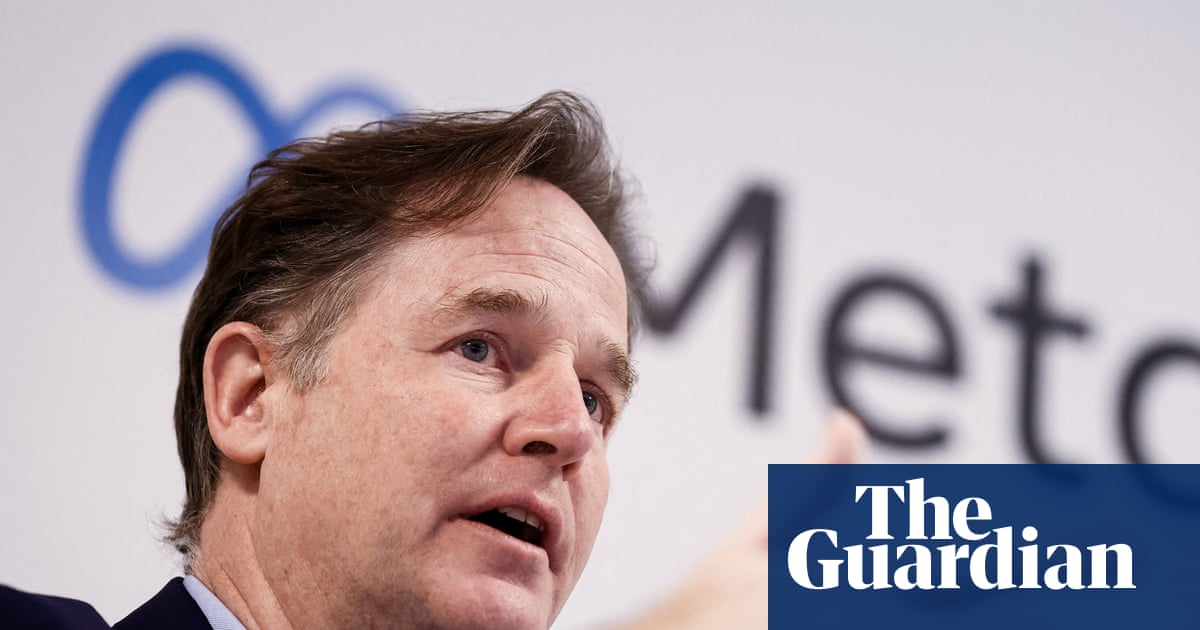
Nick Clegg Downplays Fears That 'Godlike' AI Could Threaten Humanity
The former UK deputy prime minister, now working in the tech industry, said some in the sector are 'winding themselves up into a lather' over speculative extinction risks.

Report: Severity of Australia's Medicare AI Hack 'Cannot Be Overstated'
A France 24 press review highlighted warnings that a hack of Australia's national health insurance system, allegedly carried out by an AI agent, poses serious risks.

Australia's Albanese Rebukes OpenAI Over Government Website Breach
Prime Minister Anthony Albanese said an OpenAI agent infiltrated a public-facing Medicare data portal in June and that the company was too slow to disclose the incident.
"Rogue" OpenAI Agents Accessed Australian Government Health Data, Report Says
OpenAI AI agents reportedly accessed a website holding Australian government health data, obtaining non-public information in an incident described as involving "rogue" agent behavior.
Comments
Loading comments…