Pakistan and Poland sign agreement to strengthen nuclear safety cooperation
The Pakistan Nuclear Regulatory Authority and Poland's National Atomic Energy Agency have signed a memorandum of understanding on nuclear safety and radiation protection.
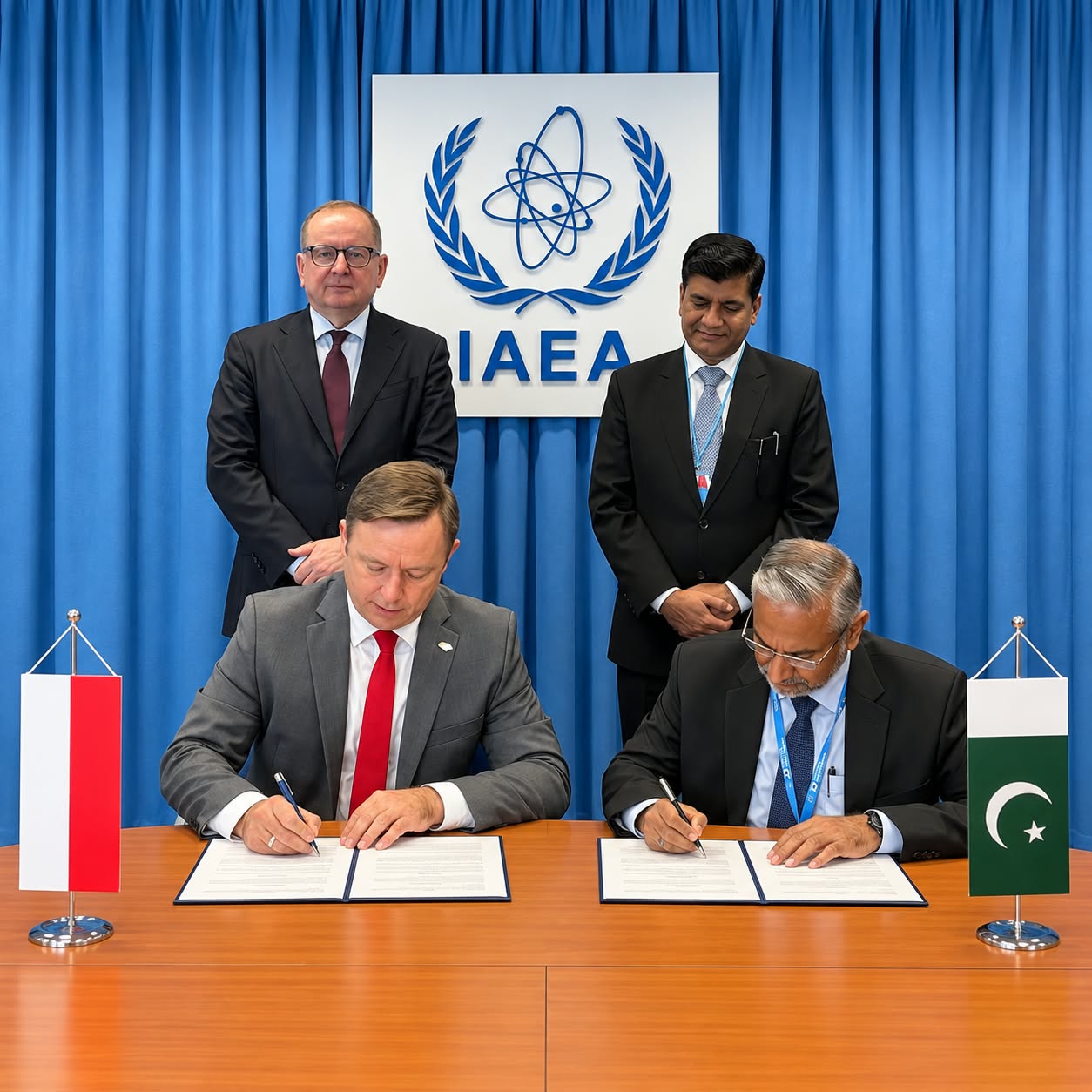
The Pakistan Nuclear Regulatory Authority (PNRA) and Poland's National Atomic Energy Agency (NAEA) have signed a memorandum of understanding aimed at strengthening bilateral cooperation on nuclear safety and radiation protection, according to Associated Press of Pakistan.
The agreement is intended to enhance regulatory cooperation between the two countries' nuclear oversight bodies. Nuclear regulatory authorities such as PNRA and NAEA are responsible for setting and enforcing safety standards governing the use of nuclear materials and technology within their respective countries, including oversight of power generation, medical and industrial applications.
Scope of cooperation
While the specific terms of the memorandum were not detailed in the announcement, such agreements typically cover areas including information sharing on safety practices, training and capacity building for regulatory staff, and coordination on emergency preparedness and radiation protection standards.
Pakistan operates a nuclear power programme that includes several reactors, and its regulatory framework is periodically reviewed and updated in line with international safety norms. Poland, which does not yet operate nuclear power plants but has announced plans to develop its own nuclear energy sector, has been expanding its regulatory expertise and international partnerships as it builds out its atomic energy oversight capacity.
Agreements of this kind are a common feature of international nuclear governance, allowing countries to share best practices and support each other's regulatory development, particularly as more nations expand or newly establish nuclear energy programmes.
Sources
- PNRA, Poland’s National Atomic Energy Agency sign MoU to strengthen cooperation in Nuclear Safety — APP (Pakistan)
EGazette summarizes reporting from multiple sources; follow the links for the originals.
Related articles
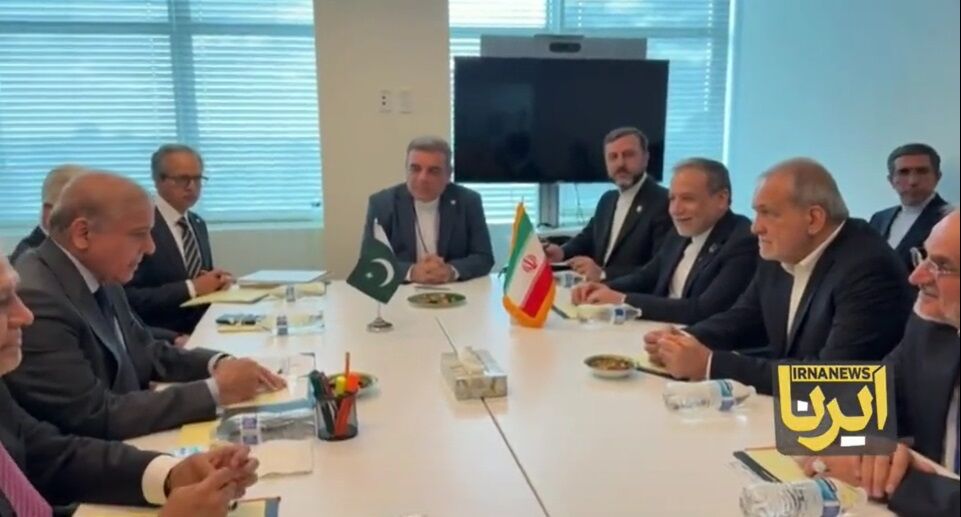
Iran's President Pezeshkian Meets Pakistani PM Sharif in New York
The two leaders met on the sidelines of the UN General Assembly session in New York, according to Iran's IRNA news agency.
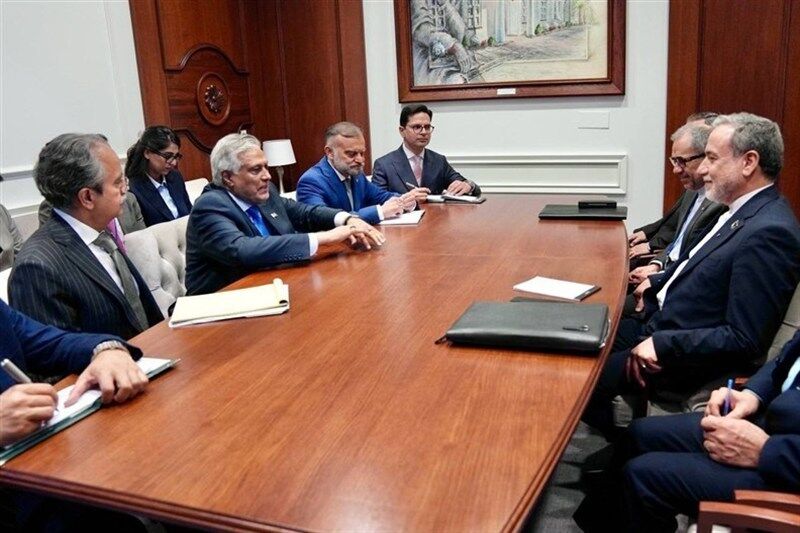
Iranian and Pakistani foreign ministers meet on sidelines of UN gathering in New York
Iran's Abbas Araghchi held talks with Pakistan's Mohammad Ishaq Dar as diplomats gathered in New York for the UN General Assembly.
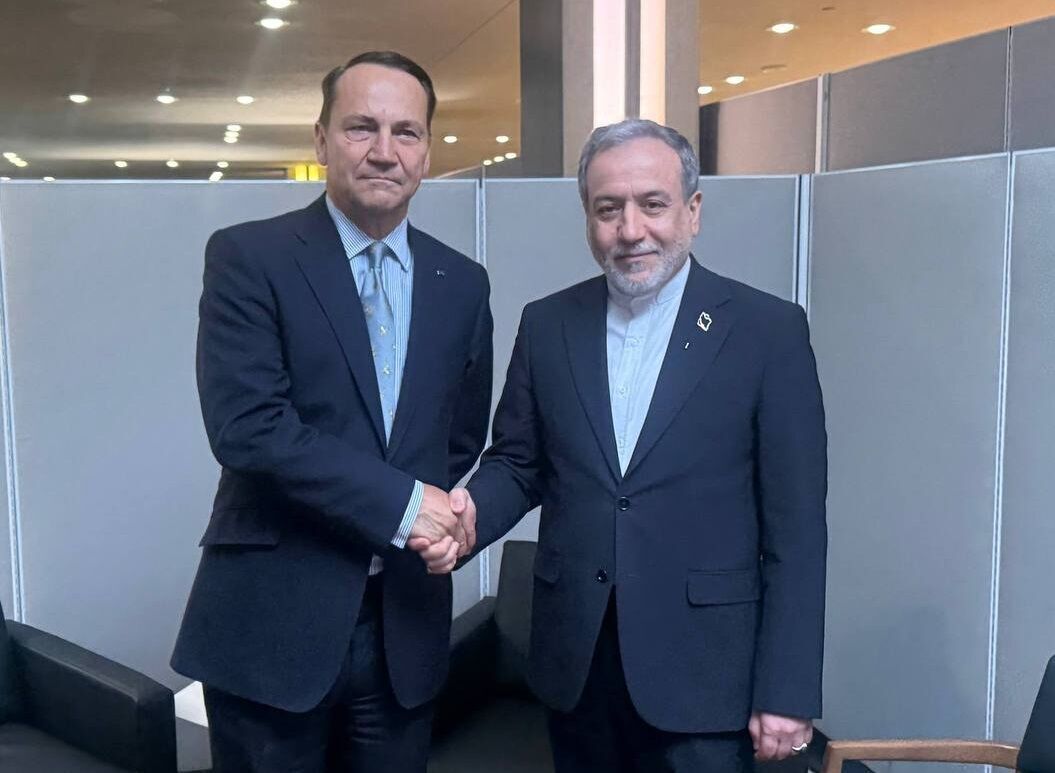
Iran's foreign minister holds talks with Polish counterpart at UN General Assembly
Abbas Araghchi met his Polish counterpart on the sidelines of the 81st session of the UN General Assembly in New York.
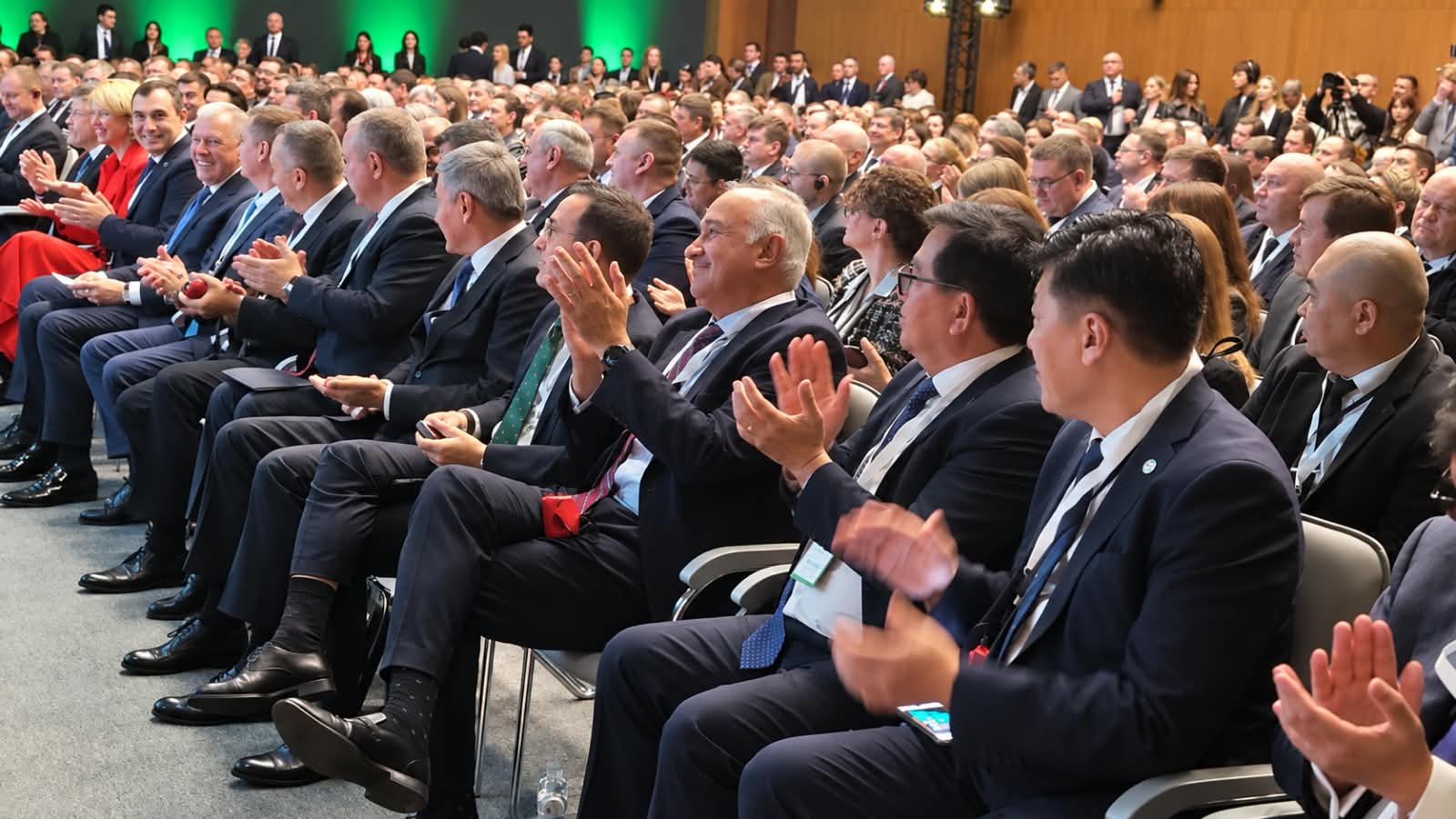
Pakistan and Russia reaffirm commitment to expanding agricultural cooperation
Pakistan's ambassador to Russia attended a veterinary security forum in Moscow as both countries look to deepen ties in the agricultural sector.
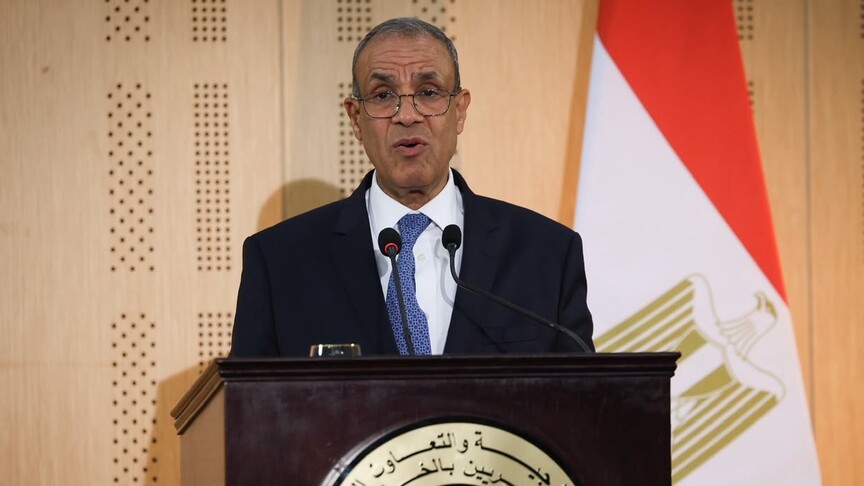
Egypt Urges 'Sustained' Humanitarian Access to Gaza, Start of Early Recovery
Egypt's foreign minister has stressed the need to preserve the unity and contiguity of Palestinian territory, including Gaza, the occupied West Bank and East Jerusalem.
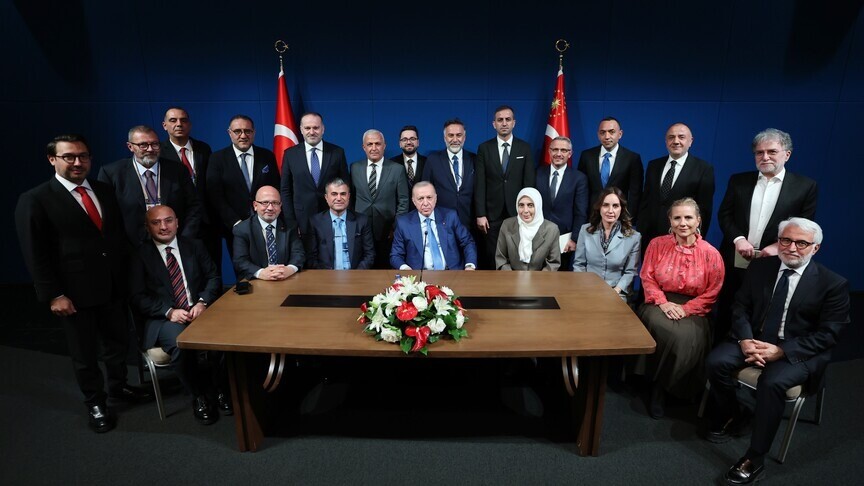
Erdogan Says UN Structure Fails Humanity, Calls for Abolition of Security Council Veto
The Turkish president urged the United Nations to move away from a system that protects only five members toward one that includes all member states.
Comments
Loading comments…