NASA Working Group Reviews Decompression Sickness and Blood Clot Risks for Artemis Astronauts
The panel examined data on spacewalk-related health risks, including decompression sickness, venous thromboembolism, and a heart condition known as patent foramen ovale.
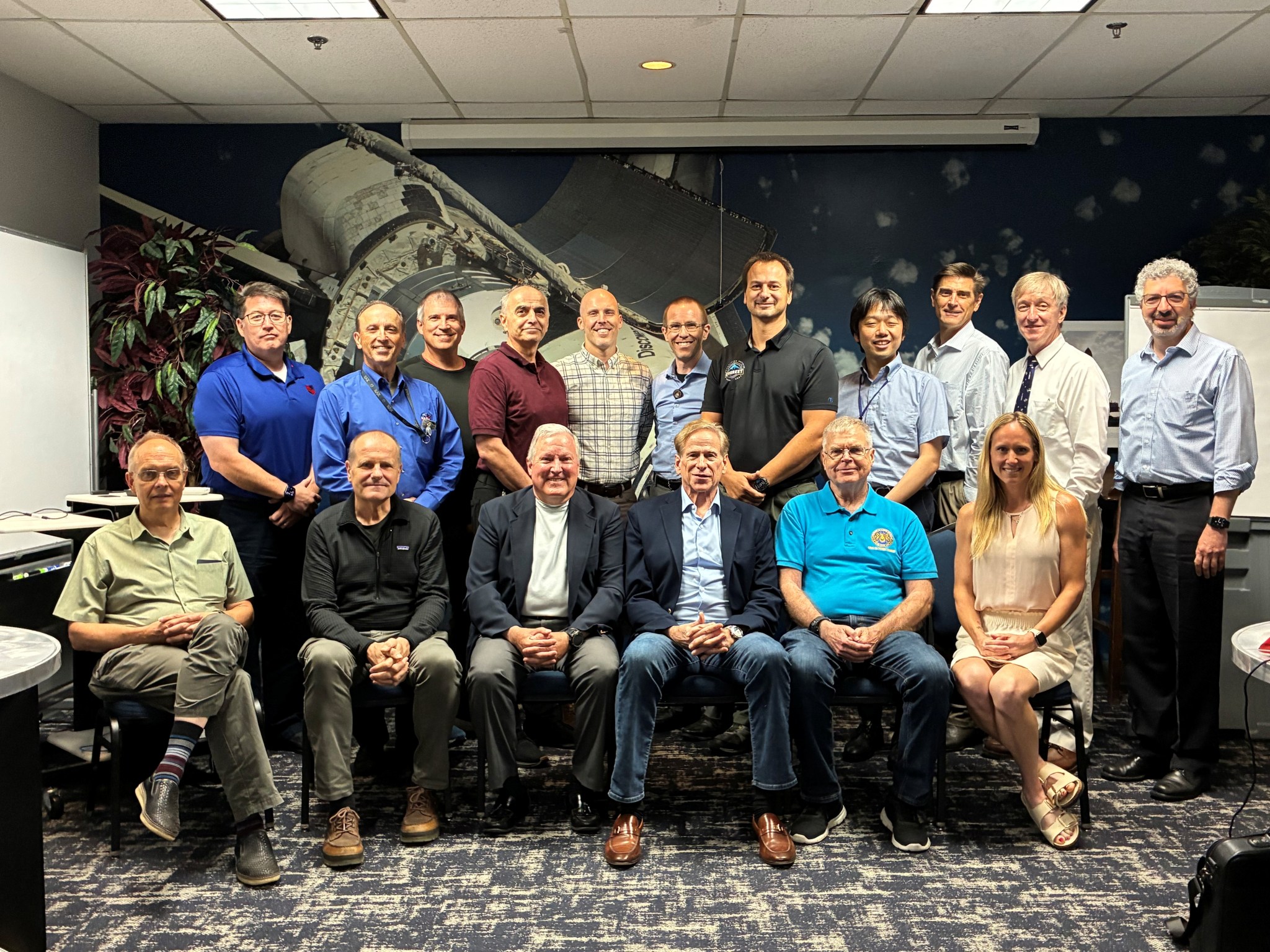
NASA's Office of the Chief Health and Medical Officer formed a working group in August 2026 to review recent data on health risks facing astronauts during extravehicular activity, including decompression sickness, venous thromboembolism, and a heart condition known as patent foramen ovale.
The group examined data related to prebreathe testing procedures used ahead of spacewalks, along with occurrences of decompression sickness and in-flight blood clot events, as part of a broader effort to inform medical guidance for NASA's Artemis program, which aims to return astronauts to the Moon and support future deep-space missions.
Building on Past Research
The working group's recommendations build upon and integrate findings from earlier panels convened by the same NASA office, reflecting an ongoing, iterative process of reviewing astronaut health risks as mission profiles evolve, including longer-duration lunar missions planned under Artemis.
Patent foramen ovale, a small hole in the heart present in some individuals from birth, has drawn attention in aerospace medicine because of its potential to increase the risk of decompression-related complications during activities involving pressure changes, such as spacewalks. The working group's review considered how this condition factors into overall risk assessments for crew members.
NASA has not detailed specific policy changes resulting from the working group's review, though the findings are expected to inform medical screening and operational procedures for upcoming Artemis missions involving extravehicular activity on the lunar surface or in transit.
Further guidance based on the working group's recommendations is expected to be incorporated into NASA's ongoing astronaut health and safety protocols.
Sources
- Risks of Decompression Sickness and Venous Thromboembolism during Spaceflight and Patent Foramen Ovale Implications — NASA Breaking News
EGazette summarizes reporting from multiple sources; follow the links for the originals.
Related articles

NASA's Curiosity Rover Team Details Latest Martian Exploration in New Blog Update
Mission scientists outlined recent planning activities as the rover continues examining rock bands on Mars during its ongoing mission.
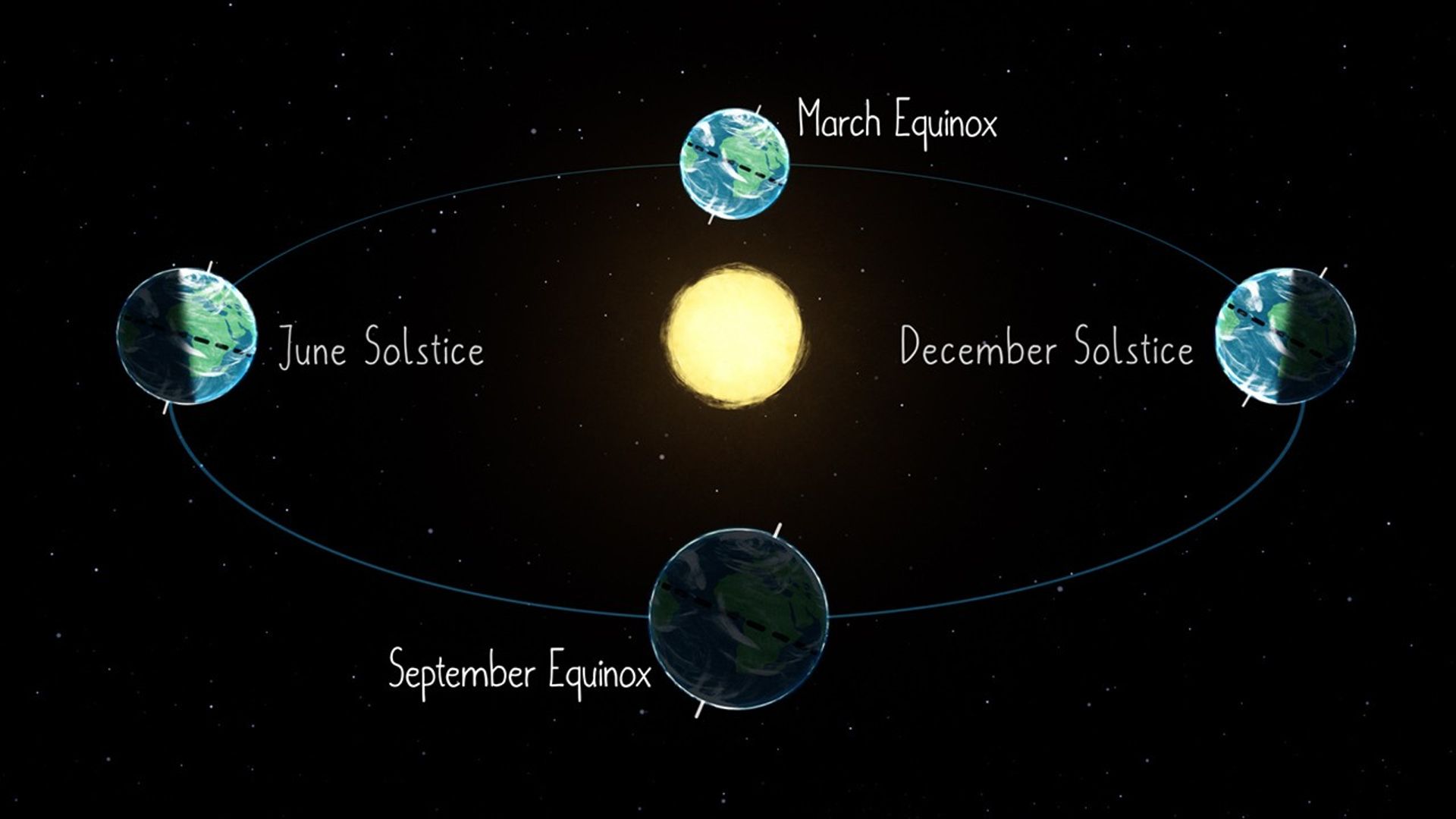
NASA highlights the science and history of the equinox
The agency explains how equinoxes have long helped people track seasonal change and the motion of the sky.
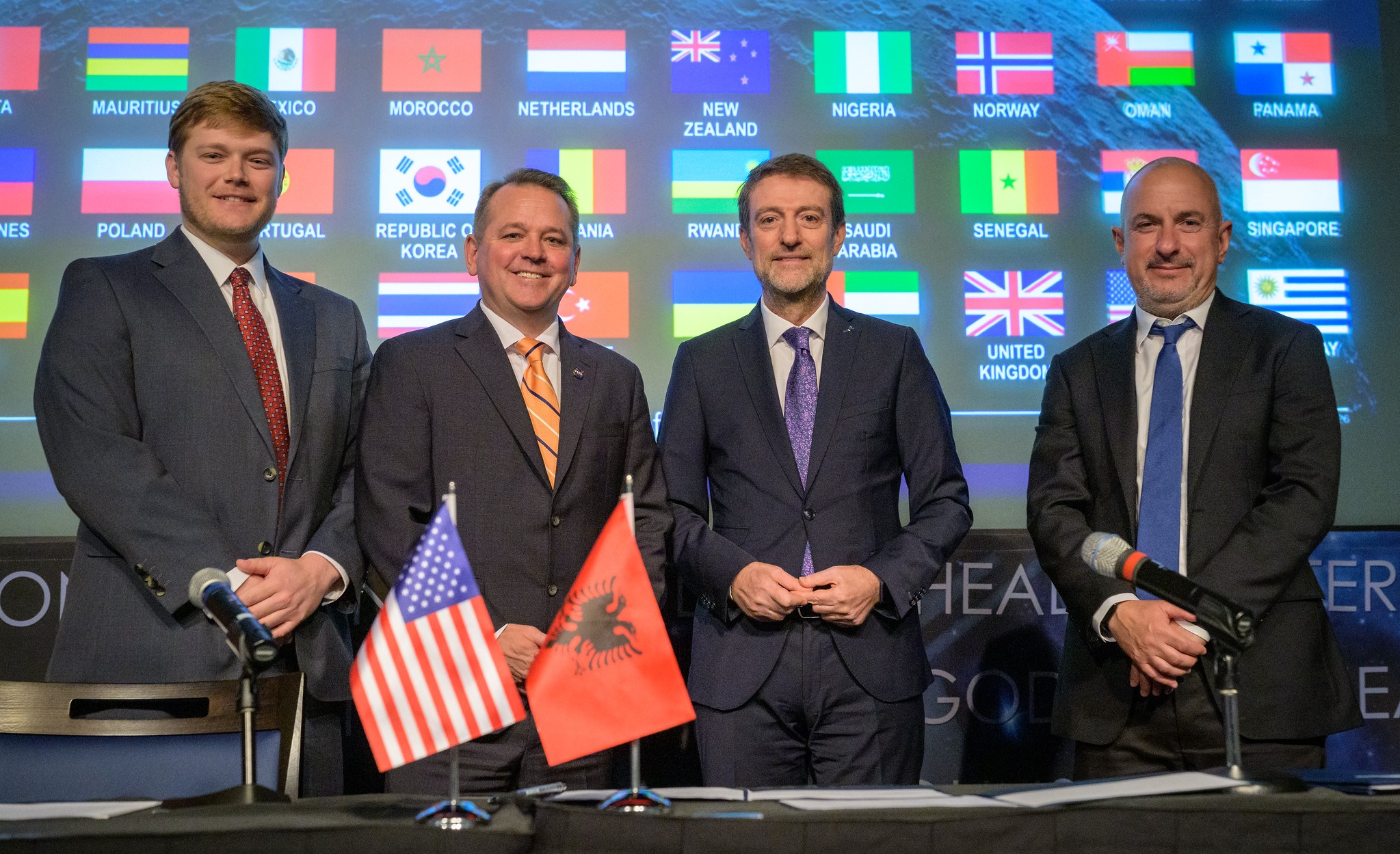
Albania becomes 73rd signatory to NASA’s Artemis Accords
The country joined the international framework for responsible and transparent civil space exploration.
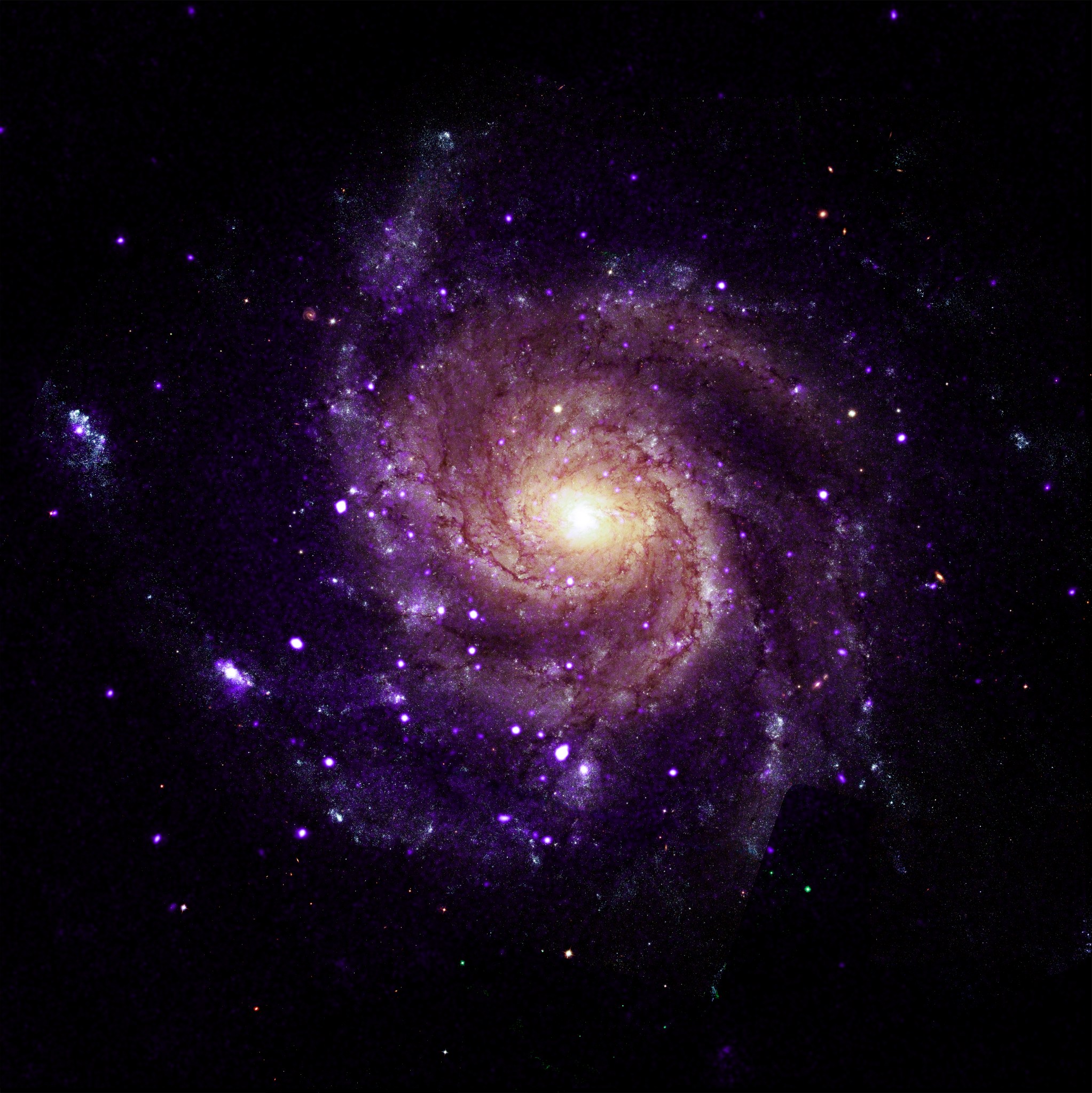
Report: NASA’s Chandra Finds Unusual Objects in Pinwheel Galaxy
A report from NASA Breaking News sets out the main available details, with claims kept attributed to their sources.
Update: NASA Astronaut to Answer Questions from New Hampshire Students
A report from NASA Breaking News sets out the main available details, with claims kept attributed to their sources.
Update: NASA chief: I'm only interested in "good deals" from international partners
A report from Ars Technica sets out the main available details, with claims kept attributed to their sources.
Comments
Loading comments…